-
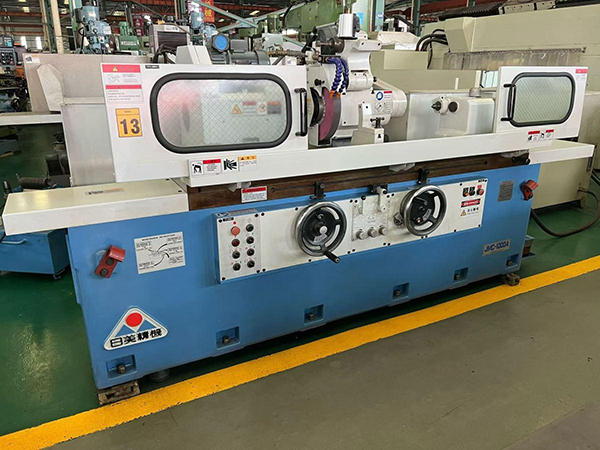
JMC JMC-I000A Universal Cylindrical Grinding MachineStock Status: Available Now (Stock #68188) Machine Type: Used Universal Cylindrical Grinder Key Specifications: 410mm Max Swing Over Bed, 1000mm Grinding Length, 200kg Load Capacity Location: Foshan, China (Origin: Taiwan, China) This 2013-built JMC JMC-I000A universal cylindrical grinding machine offers dual internal and external grinding capabilities, making it an ideal choice for high-precision job shops and versatile manufacturing facilities. It is currently in stock, fully assembled, and ready for immediate on-site inspection. Key Specifications and Production Readiness Understanding the exact physical capacities of a grinding machine is critical to ensuring it matches your existing tooling, part geometries, and production tolerances. The JMC JMC-I000A is engineered with robust structural limits designed to handle a wide array of industrial shafts, rollers, and hollow cylinders. Technical Parameter Specification Value Production Significance & Operational Fit Stock Number 68188 Unique identifier for quick tracking and inquiry reference. Year of Manufacture 2013 Modern structural design with reliable electrical integration. Max. Swing Over Bed 410 mm Accommodates large-diameter flanged shafts and heavy industrial workpieces. Max. Grinding Length 1000 mm Ideal for long transmission shafts, hydraulic rods, and machine tool spindles. Max. Weight Capacity (Between Centers) 200 kg Heavy-duty casting supports substantial workpieces without bed deflection. Max. External Grinding Diameter 350 mm Generous capacity for standard and oversized outer-diameter (OD) grinding. Internal Grinding Diameter Range 10 mm to 250 mm Covers small precision bores up to large-diameter internal gear sleeves. Max. Internal Grinding Depth 150 mm Enables deep-bore grinding for specialized couplings and hollow spindles. Workhead Spindle Speed Range 15 to 1500 rpm Variable speed control allows optimization for different workpiece diameters. Workhead Spindle Motor Power 5.5 kW Provides high torque at low speeds to maintain consistent rotation under load. Workhead Spindle Taper Morse Taper No. 5 (MT5) Standard heavy-duty taper ensuring rigid clamping and high concentricity. Workhead Swivel Angle 0° to 90° Allows precise taper grinding and face grinding setups. Tailstock Center Taper Morse Taper No. 4 (MT4) Industry-standard tailstock taper for secure, rigid center support. Tailstock Sleeve Travel 120 mm Provides ample clearance for easy loading and unloading of long workpieces. Frequently Asked Questions What is the current physical location of the JMC JMC-I000A, and is it available for inspection? The machine is currently located in our facility, China. It is fully assembled and positioned on the shop floor, making it completely ready for physical, on-site inspections. We can also arrange live video walk-throughs and run-tests for international or out-of-province buyers who cannot visit in person. Can this machine perform both internal and external grinding in a single setup? Yes, as a universal cylindrical grinder, the JMC-I000A features a workhead that can swivel from 0° to 90° and includes a swing-down internal grinding attachment. This allows you to grind the external diameter of a part, swing down the internal spindle, and grind the internal bore or face without removing the workpiece from the chuck, ensuring perfect concentricity. What are the electrical requirements and spindle motor specifications for this machine? The workhead spindle is powered by a robust 5.5 kW motor, providing excellent torque across its 15 to 1500 rpm speed range. For specific voltage configurations (typically 380V, 3-phase, 50Hz for Taiwan-built machines of this era) and total power consumption details, please contact us with your factory's electrical specifications. How does the MT5 workhead and MT4 tailstock benefit my existing tooling setup? Morse Taper No. 5 (MT5) for the workhead and Morse Taper No. 4 (MT4) for the tailstock are standard industrial sizes. This means you do not need to purchase proprietary or custom-made centers, faceplates, or chuck adapters. You can easily source standard tooling or use your shop's existing MT5 and MT4 accessories, saving time and reducing setup costs. What is the maximum workpiece weight this grinder can safely support? When supported between centers, the JMC-I000A can support a maximum workpiece weight of 200 kg. This high weight capacity is a testament to the rigidity of the machine's bed casting and the strength of the MT5/MT4 spindle and tailstock configuration, allowing you to grind heavy industrial shafts and rollers with confidence.
-
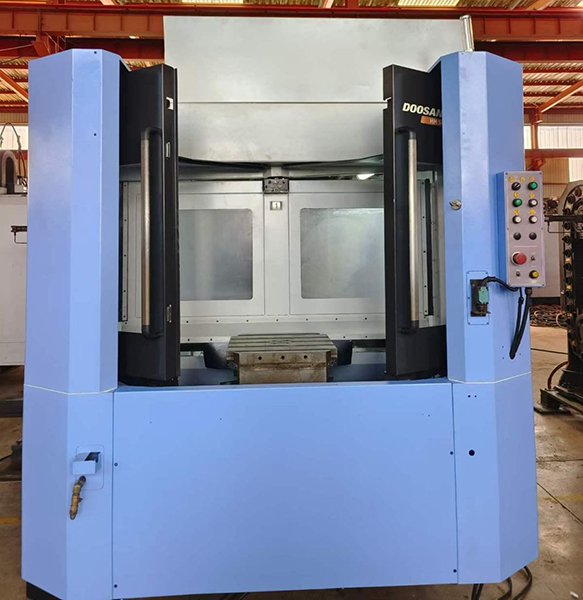
Used Doosan HM 5000 Horizontal Machining CenterSummary: The Doosan HM 5000 is a heavy-duty horizontal machining center engineered for versatile, high-material-removal production. Equipped with a robust BT50 spindle, a highly responsive Fanuc 31i CNC system, and a 500 × 500 mm pallet, this machine delivers exceptional rigidity for demanding milling tasks. With a 3-axis travel of 730 × 710 × 710 mm, it comfortably accommodates medium-to-large components. this 2012 model is an ideal fit for automotive, aerospace, mold making, and general contract manufacturing facilities looking for immediate production capacity. It deserves serious consideration from procurement teams seeking a proven, multi-industry all-rounder that is ready for on-site inspection and rapid deployment. Stock Status and buying value In the current industrial equipment market, securing heavy-duty machining capacity without enduring long factory lead times is a strategic advantage. This specific used Doosan HM 5000 (Stock Number: 812310) is currently in stock and located, available for immediate inquiry and physical inspection. Manufactured in South Korea in 2012, this machine represents an era of Doosan engineering known for substantial cast-iron construction and long-term mechanical stability. From an industry perspective, the Doosan HM series has established a strong reputation among production managers for its reliability in continuous, multi-shift environments. Purchasing a used 2012 model provides a compelling cost-efficiency logic: buyers gain access to a 12,000 kg rigid platform and high-torque BT50 cutting capabilities at a fraction of the capital expenditure required for a new equivalent. Because the machine is available now, factory owners can bypass supply chain delays, immediately bid on new manufacturing contracts, and accelerate their return on investment. The machine is fully staged and ready for prospective buyers to verify its condition and production readiness. Key Specifications and Production Readiness Evaluating a used machining center requires looking beyond the numbers to understand how the specifications translate into daily production output. The Doosan HM 5000 is configured as a versatile all-rounder, designed to handle a wide variety of materials and part geometries. Brand & Model Doosan HM 5000 Year of Manufacture 2012 (Origin: South Korea) CNC Control System Fanuc 31i X / Y / Z Axis Travel 730 × 710 × 710 mm Table / Pallet Size 500 × 500 mm Spindle Taper BT50 Spindle Speed 6000 rpm Spindle Motor Power 11 / 15 kW Tool Magazine Capacity (ATC) 40 Tools Machine Weight 12000 kg Dimensions (L × W × H) 3723 × 3950 × 3171 mm BT50 Spindle and 6000 RPM Capability: The inclusion of a BT50 spindle taper is a defining feature of this machine. Unlike lighter BT40 machines, the BT50 interface provides the massive surface contact and rigidity required for heavy face milling, large diameter drilling, and aggressive material removal in tough alloys. Driven by an 11 / 15 kW motor, the 6000 rpm spindle balances the torque needed for cast iron and steel with sufficient speed for aluminum components. Fanuc 31i CNC System: The Fanuc 31i is an industry-standard control known for its processing speed and operational stability. In real production, this means faster block processing times for complex 3D toolpaths, ensuring smooth surface finishes and tight dimensional control. It also ensures that operators and programmers can easily adapt to the machine without a steep learning curve. Generous Work Envelope and 40-Tool ATC: The 730 × 710 × 710 mm travel combined with a 500 × 500 mm table provides a spacious cubic work envelope. This accommodates large single workpieces or tall tombstone fixtures holding multiple smaller parts. The 40-tool Automatic Tool Changer (ATC) perfectly supports a "one machine, many applications" strategy. By housing a wide array of cutting tools, the machine can seamlessly transition between different part numbers or execute complex, multi-operation jobs without manual tool intervention, directly increasing the throughput requirements. 12,000 kg Machine Weight: The physical mass of the machine is a critical specification. At 12 tons, the heavy cast-iron bed dampens cutting vibrations during aggressive roughing passes. This vibration absorption is vital for extending tool life and achieving excellent surface finishes on critical dimensions. Frequently Asked Questions Is this used Doosan HM 5000 currently in stock and available for inspection? Yes, this machine (Stock #812310) is currently in stock. It is available now for prospective buyers to conduct physical inspections, verify spindle condition, and test the Fanuc 31i control system. What production advantages does the BT50 spindle offer over a BT40 machine? The BT50 spindle on this Doosan HM 5000 provides significantly greater surface contact and rigidity compared to a BT40. This allows the machine to handle larger cutting tools, take deeper depths of cut in tough materials like cast iron and tool steel, and maintain stability during heavy material removal, directly improving throughput requirements. What types of parts fit within the work envelope of this machine? With a 3-axis travel of 730 × 710 × 710 mm and a 500 × 500 mm table, the machine easily accommodates medium-to-large automotive engine blocks, aerospace structural components, and mold bases. Alternatively, the table can be fitted with tombstone fixtures to hold dozens of smaller medical or electronic parts for high-volume batch production. How does the 40-tool ATC improve factory output? The 40-tool Automatic Tool Changer allows the machine to store a wide variety of drills, taps, and mills. This reduces the need for operators to manually swap tools between different jobs, enabling uninterrupted, complex multi-operation machining and supporting a flexible "one machine, many applications" manufacturing strategy. What should my engineers focus on when inspecting this specific HMC? Engineers should prioritize checking the BT50 spindle taper for wear, measuring spindle runout, verifying the smoothness of the X/Y/Z axis travels (730x710x710mm), and testing the repeatability of the 500x500mm table clamping mechanism to ensure the machine meets your precision requirements.
-
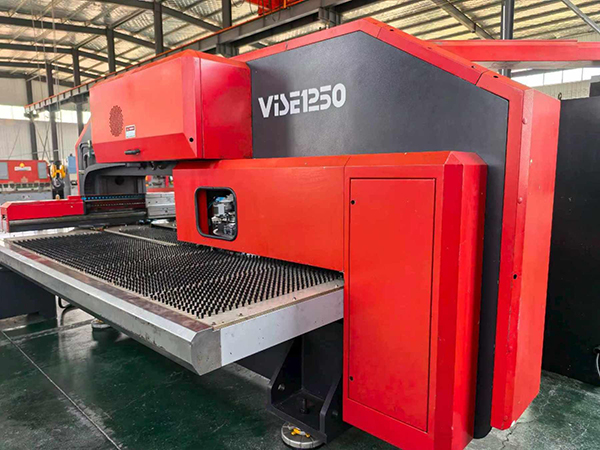
Used Tailift VISE1250 CNC Punch PressThe used Tailift VISE1250 CNC punch press (Stock Number: 68167) is a highly versatile, industrial-grade sheet metal fabrication machine manufactured in Taiwan, China, in 2009. Engineered as a versatile all-rounder, this machine features a robust 1250 x 2500 mm processing size, a 36-station tool capacity, an auto-index rotation speed of 50 rpm, and the industry-standard FANUC Series 0i-PC CNC system. Currently in stock and ready to ship immediately, this machine provides an instant solution for boosting factory capacity. It is an ideal fit for procurement managers and production engineers in the automotive, aerospace, electronics, medical device, and mold-making industries who need a cost-effective, ready-for-inspection asset to handle diverse punching, nibbling, and forming tasks without the long lead times of new equipment. Core Specifications and What They Mean in Production Evaluating a used CNC punch press requires a deep understanding of how its technical parameters translate into daily factory output. The Tailift VISE1250 is designed to maximize sheet utilization and minimize downtime. Below is a detailed breakdown of its core specifications and their direct impact on throughput requirements. Brand Tailift Model VISE1250 Machine Type CNC Punch Press Stock Number 68167 Origin Taiwan, China Year 2009 Processing Size 1250 x 2500 mm Tool Capacity 36 Stations Auto-Index / Turret Speed 50 rpm CNC System FANUC Series 0i-PC 1250 x 2500 mm Processing Size The 1250 x 2500 mm processing size is a critical specification that directly aligns with standard 4x8 feet sheet metal dimensions. In real production, this means the machine can process full-sized standard sheets without the need for manual repositioning or complex auto-repositioning cycles. For a production manager, this translates to higher nesting efficiency, reduced scrap rates, and faster overall cycle times. Whether you are punching large electrical enclosure panels or nesting hundreds of small automotive brackets on a single sheet, this bed size provides the necessary real estate to maximize material yield and maintain a continuous throughput requirements. 36-Station Tool Capacity A 36-station turret is the backbone of this machine's "one machine, many applications" flexibility. In a high-mix, low-volume job shop environment, tool changeover time is a major bottleneck. With 36 available stations, tooling engineers can load a comprehensive mix of standard punches (rounds, squares, obrounds) alongside specialized forming tools (louvers, extrusions, knockouts) into the turret simultaneously. This extensive tool capacity means the machine can transition from punching aerospace components to fabricating medical device chassis without stopping for manual tool swaps, drastically increasing daily spindle uptime and overall factory capacity. FANUC Series 0i-PC CNC System The integration of the FANUC Series 0i-PC control system provides industrial-grade reliability and precise servo coordination. FANUC is universally recognized in the machining and fabrication sectors, meaning your operators and programmers likely already possess the skills to run this machine, minimizing training delays. In production, this CNC system handles complex G-code for high-speed nibbling, precise hole interpolation, and rapid X/Y axis movements seamlessly. The 0i-PC series is specifically known for its stability in continuous, multi-shift production environments, ensuring that the punch press maintains strict dimensional tolerances across large batches of parts. 50 RPM Auto-Index Rotation Speed In turret punch presses, the ability to rotate tools to specific angles is crucial for cutting complex contours and angled slots. The 50 rpm rotation speed of the auto-index stations ensures that the tool reaches its programmed angle swiftly between punch strokes. This rapid rotation minimizes the micro-delays that occur during complex nesting programs where angled cuts are frequent. For process engineers, this specification proves that the machine can handle intricate part geometries—such as angled ventilation slots on electronics server racks—without sacrificing the overall output rhythm. Frequently Asked Questions What sheet sizes can the 1250x2500mm processing size handle efficiently? The 1250x2500mm specification is perfectly matched for standard 4x8 feet commercial sheet metal. This allows the machine to process full sheets without the need for auto-repositioning, which significantly reduces cycle times, improves nesting efficiency, and ensures maximum material utilization for large parts like electronics enclosures or automotive panels. How does the 36-station turret impact tooling match and part fit? A 36-station turret allows you to load a vast array of standard thick turret tools, including various rounds, squares, and special forming tools, all at once. This eliminates the need to stop the machine for manual tool changes when switching between different part designs, making it highly suitable for high-mix job shops serving diverse industries from aerospace to medical devices. What does the 50 rpm auto-index speed mean for throughput requirements? The 50 rpm auto-index speed dictates how fast the programmable tool stations can rotate to a specific angle. A high rotation speed minimizes the delay between punch strokes when cutting complex contours or angled slots. For process engineers, this ensures that intricate part geometries do not slow down the overall output rhythm of the factory. Is the FANUC Series 0i-PC suitable for complex punch press programming? Yes, the FANUC Series 0i-PC is an industry-standard CNC system renowned for its reliability and processing power. It easily handles complex G-code required for high-speed nibbling, precise hole interpolation, and rapid X/Y axis coordination. Furthermore, its widespread use means most operators and programmers are already familiar with its interface, reducing integration time. How does this used Tailift VISE1250 provide an instant capacity boost? Because this 2009 machine (Stock #68167) is currently in stock and available now, it bypasses the long manufacturing lead times associated with purchasing new equipment. It offers a cost-effective, immediate solution for factory owners who need to quickly scale up their sheet metal punching capacity to meet sudden production demands or new contract requirements.
-
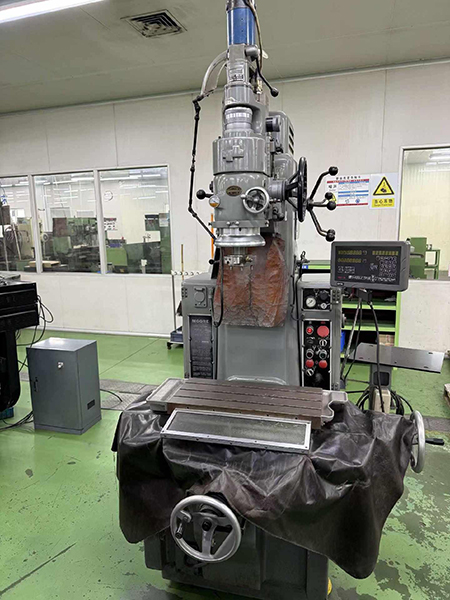
Used Moore G-18 Jig Grinder: Specifications and Production CapabilitiesBuilt in the USA in 1981, this used Moore G-18 jig grinder (Stock No. 68154) delivers proven precision for tool rooms, die shops, and advanced manufacturing facilities. Currently in stock and ready to ship, it provides an immediate capacity boost, bypassing the long lead times of new equipment. Featuring a 457x229x178mm 3-axis travel, a 356x711mm work table with a 454kg load capacity, and a rigid Morse Taper No. 4 (MT4) spindle, this machine handles everything from intricate medical components to heavy automotive stamping dies. For procurement managers and tooling engineers, the 1.5kW motor and 100-2500 rpm spindle speed range offer the ideal balance of torque and precision for tight-tolerance hole and contour grinding. If you need a cost-effective, versatile machine that supports multiple applications, this Moore G-18 is available for immediate inspection and delivery. Core Specifications and What They Mean in Production Evaluating a used jig grinder requires understanding how its technical specifications translate to shop floor performance. Below are the verified specs for this in-stock Moore G-18, along with an analysis of their impact on production. Stock Number 68154 (In Stock, Available Now) Brand Moore Model G-18 Origin USA Year 1981 3-Axis Travel (X x Y x Z) 457 x 229 x 178 mm Table Size 356 x 711 mm Table Load Capacity 454 kg Spindle Nose to Table Distance 432 mm Spindle Taper Morse Taper No. 4 (MT4) Spindle Speed Range 100 - 2500 rpm Spindle Motor Power 1.5 kW 3-Axis Travel (457x229x178mm) and Table Size (356x711mm) The machine's work envelope determines your maximum part capacity. The 457mm X-axis and 229mm Y-axis travels are ideally sized for standard progressive die plates and medium-to-large mold bases. The 356x711mm table offers ample surface area for secure clamping and fixturing. Additionally, the 178mm Z-axis travel allows for deep hole grinding and complex internal contouring in a single setup, ensuring strict geometric tolerances and streamlined production. Table Load Capacity (454 kg) For heavy-duty applications like automotive tooling and aerospace manufacturing, workpiece mass is a critical factor. Supporting up to 454 kg (approximately 1,000 lbs), this machine easily handles solid tool steel blocks and heavy cast iron fixtures without guideway deflection. This robust load capacity guarantees consistent grinding precision, even when processing heavy, oversized workpieces. Spindle Nose to Table Distance (432 mm) The 432mm maximum clearance between the spindle nose and table offers exceptional vertical flexibility. This clearance is essential when utilizing tall rotary tables, indexing heads, or grinding exceptionally thick die shoes. It accommodates complex, multi-axis setups without the risk of spindle housing interference. Spindle Dynamics: MT4 Taper, 100-2500 rpm, 1.5 kW Motor The spindle is the core of any jig grinder's performance. The Morse Taper No. 4 (MT4) ensures a highly rigid connection for grinding arbors, minimizing runout and vibration. Powered by a 1.5 kW motor, the spindle maintains consistent torque across the 100 to 2500 rpm range. Lower speeds provide the torque needed for larger diameter wheels and heavy stock removal, while higher speeds deliver superior surface finishes on hardened materials, preventing thermal damage to critical features. Frequently Asked Questions Is inventory number 68154 currently in stock and available now? Yes, this used MOORE G-18 jig grinder (Inventory 68154) is currently in stock and available for immediate procurement. It is ready for physical inspection and can be prepared for prompt shipment to your facility. Can we inspect the MOORE G-18 before finalizing the purchase? Absolutely. We encourage procurement managers and tooling engineers to arrange an inspection. You can verify the spindle runout, Morse No. 4 taper condition, and the smoothness of the 457x229x178mm axis travel to ensure it meets your production standards. What type of tooling is compatible with this jig grinding machine? This specific MOORE G-18 model is equipped with a standard Morse No. 4 taper. This is a widely adopted industrial standard, making it highly convenient to source compatible arbors, grinding wheels, and precision tooling for your immediate production needs. Is this machine suitable for heavy mold plates? Yes. The machine features a robust worktable size of 356x711mm and a maximum worktable load capacity of 454kg. This makes it highly capable of supporting dense tool steel blocks and heavy progressive die sets common in mold making and automotive stamping. How do I initiate an inquiry and arrange shipment? You can initiate an inquiry directly through our stock page by referencing Inventory Number 68154. Our team will provide comprehensive commercial details, assist with inspection scheduling, and coordinate freight and shipment logistics to your factory.
-
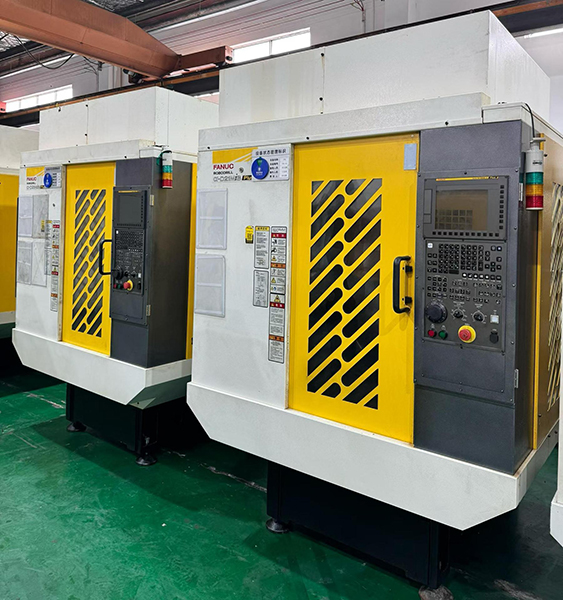
Used FANUC α-D21MiB PLUS Drill Tap CenterThe used FANUC α-D21MiB PLUS is a premier high-speed drill tap center designed to deliver exceptional versatility and precision across multiple manufacturing sectors. Equipped with a high-performance 24,000 RPM spindle, a 21-station tool magazine, and a highly rigid 500x400x330mm machining envelope, this 2022 model is engineered for rapid material removal and fine surface finishing. It is an ideal solution for factories operating in the automotive, aerospace, medical device, electronics, and mold making industries. Currently located under stock number 68139, this machine is in stock, ready for immediate inspection, and offers a strategic opportunity to bypass long OEM lead times while securing a highly capable production asset. Key Specifications and Production Readiness Understanding the technical parameters of the FANUC α-D21MiB PLUS is crucial for determining its fit within your existing production lines. Every specification on this machine is engineered to reduce cycle times and improve part quality. Brand & Model FANUC α-D21MiB PLUS Manufacturing Year 2022 CNC System FANUC 31i-MODEL B Spindle Speed 24,000 RPM X/Y/Z Axis Travel 500 x 400 x 330 mm Table Size 650 x 400 mm Table Load Capacity 300 kg Tool Magazine Capacity 21 Stations Positioning Accuracy ±0.006 mm Repeatability ±0.004 mm Machine Dimensions 1615 x 2040 x 2236 mm FANUC 31i-MODEL B CNC System The machine is driven by the industry-standard FANUC 31i-MODEL B control. This system is renowned for its ultra-fast block processing times and advanced look-ahead capabilities. In real production, this means the machine can execute complex 3D toolpaths without hesitation, preventing dwell marks on the workpiece and ensuring superior surface finishes, which is highly critical for mold inserts and aerospace components. 24,000 RPM High-Speed Spindle While standard drill tap centers often feature 10,000 or 14,000 RPM spindles, this specific model is equipped with a 24,000 RPM spindle. This high rotational speed is essential for micro-machining, allowing the use of very small diameter end mills and drills without sacrificing feed rates. It ensures optimal chip evacuation and prevents tool breakage when machining aluminum, copper, or titanium. Machining Envelope and Tooling Capacity The 500x400x330mm X/Y/Z travel, combined with a 650x400mm table capable of supporting 300 kg, provides a highly versatile work area. It is perfectly sized for mounting multiple pneumatic vises, 4th-axis rotary tables, or complex custom fixtures. The 21-station tool magazine utilizes a rapid turret-style indexing mechanism, drastically reducing chip-to-chip times. In high-volume production runs, saving even a fraction of a second per tool change compounds into hours of saved production time per week. Precision and Repeatability With a positioning accuracy of ±0.006 mm and a repeatability of ±0.004 mm, this machine guarantees tight tolerances part after part. This level of precision ensures high Cpk values in mass production, directly reducing scrap rates and eliminating the need for secondary manual finishing operations. Frequently Asked Questions Is the used FANUC α-D21MiB PLUS currently in stock and available for inspection? Yes, this specific machine (Stock #68139) is currently in stock at our facility. It is fully powered and available now for comprehensive on-site inspection and test cutting by your engineering team. What throughput requirements is the 24,000 RPM spindle best suited for? The 24,000 RPM spindle is engineered for high-speed, high-volume throughput requirementss. It is particularly suited for applications requiring small diameter cutting tools, such as 3C electronics housings, medical devices, and fine mold electrodes, allowing for aggressive feed rates while maintaining excellent surface finishes. Can this machine handle mold making as well as high-volume electronics parts? Absolutely. The machine's "one machine, many applications" flexibility is one of its core strengths. The FANUC 31i-MODEL B control handles the complex 3D toolpaths required for mold making, while the rapid 21-station tool changer and fast axis movements support the short cycle times demanded by high-volume electronics manufacturing. What should I check during the on-site inspection ? During your inspection, you should prioritize checking the spindle runout at maximum RPM, verifying the smoothness of the 21-station tool change mechanism, inspecting the X/Y/Z ballscrews for backlash, and confirming the machine's geometry to ensure it still meets the ±0.004 mm repeatability specification. Does the FANUC 31i-MODEL B control support complex 3D contouring? Yes, the FANUC 31i-MODEL B is a highly advanced CNC system that features rapid block processing and look-ahead capabilities. This ensures smooth and precise execution of complex 3D contouring programs, preventing dwell marks and ensuring high-quality surface finishes on intricate parts.
-
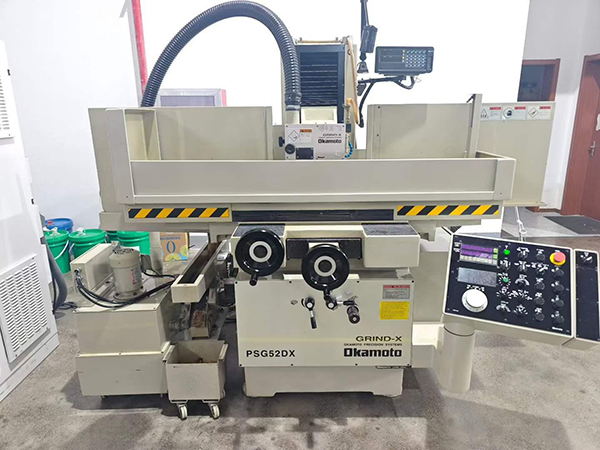
Used Okamoto PSG52DX Surface GrinderThis used Okamoto PSG52DX surface grinder is a Japanese precision grinding machine with 550 x 220 mm grinding travel, 47.5 to 397.5 mm table-to-wheel distance, 200 kg maximum workpiece capacity, and a 205 x 19 x 50.8 mm grinding wheel size. It is suitable for mold inserts, precision plates, tooling components, electronic parts fixtures, medical device components, aerospace tooling, and automotive die work. Stock number 812246 is in stock, available for inspection, and offers a cost-effective way to add usable grinding capacity without waiting through a new-machine delivery cycle. Stock Status and buying value The Okamoto PSG52DX surface grinder listed here is a used precision surface grinding machine for sale under stock number 812246. For factories that need reliable flatness, parallelism, and surface finish capability on small to medium workpieces, an in-stock machine can reduce the time between the purchasing decision and actual production use. Instead of planning around a long lead time for new equipment, buyers can inspect the actual machine, confirm the key grinding movements, and arrange shipment after the commercial decision is made. This machine fills the common production gap between manual finishing and larger grinding equipment. Its 550 x 220 mm working travel is practical for die shoes, mold plates, punch and die components, guide blocks, precision shims, small fixtures, and hardened tooling parts. The 200 kg workpiece capacity gives production teams enough loading margin for dense steel components while keeping the machine focused on precision work rather than oversized parts. For production managers and tooling engineers, the buying value depends on how well the PSG52DX matches everyday part sizes. If most grinding jobs fall within the 550 mm length and 220 mm width range, this used Okamoto surface grinder can support multiple departments, including toolroom correction, mold making, repair grinding, small-batch component finishing, and pre-assembly flatness work. It is not limited to one product family and can handle many recurring precision grinding tasks across a plant. Key Specifications and Production Readiness The PSG52DX is a precision surface grinder built for flat grinding applications where buyers need controlled wheel contact, repeatable table movement, and a practical working envelope for tooling and component finishing. The specifications below should be reviewed not only as machine data, but also as indicators of part compatibility, tooling fit, and expected production flow. Machine Category Precision surface grinder Brand and Model Okamoto PSG52DX Country of Origin Japan Year 2012 Grinding Travel 550 x 220 mm Table-to-Wheel Distance 47.5 to 397.5 mm Maximum Workpiece Weight 200 kg Grinding Wheel Size 205 x 19 x 50.8 mm Grinding Wheel Speed 3000 rpm at 50 Hz; 3600 rpm at 60 Hz What the 550 x 220 mm Travel Means A 550 x 220 mm grinding travel is well suited to precision tooling and compact production components, rather than very large plates. This working range is useful for mold inserts, automotive die sections, medical device fixtures, aerospace gauge blocks, electronics tooling plates, and general toolroom parts. Buyers should compare this travel with their actual part envelope, including magnetic chuck setup, clamping allowance, dressing clearance, and operator handling space. Workpiece Capacity and Part Handling The 200 kg maximum workpiece weight allows the machine to handle substantial steel parts within its grinding area. This is important for mold making and die repair because parts with a small footprint can still be heavy when made from tool steel. For production planning, this capacity supports one-off tooling correction, batch finishing of smaller components, and regrinding of fixture surfaces when the workpiece weight stays within the specified limit. Wheel Size and Grinding Speed The 205 x 19 x 50.8 mm grinding wheel size should be checked against the buyer’s preferred abrasive specification and part material. The listed wheel speeds of 3000 rpm at 50 Hz and 3600 rpm at 60 Hz give factories a clear reference when comparing this machine with their local power supply. This is especially important when shipping the machine to a plant operating under either 50 Hz or 60 Hz electrical conditions. Frequently Asked Questions Is the used Okamoto PSG52DX surface grinder currently in stock? Yes. This machine is listed under stock number 812246 and is presented as an in-stock used Okamoto PSG52DX surface grinder available for inquiry, inspection, and shipment planning. What production work is this Okamoto PSG52DX best suited for? It is suitable for precision flat grinding of small to medium tooling and components, including mold inserts, die parts, fixture plates, gauge blocks, electronics tooling, medical device fixtures, and aerospace or automotive tooling parts within the 550 x 220 mm travel. What should I check first during inspection? Start by confirming the grinding travel, table movement, table-to-wheel distance, spindle running condition, wheel mounting size, and whether your heaviest expected workpiece is within the 200 kg maximum capacity. Can this machine handle heavy tool steel components? It can handle workpieces up to 200 kg, provided the part size also fits the 550 x 220 mm grinding travel and the setup height fits within the 47.5 to 397.5 mm table-to-wheel distance range. How do I know if the wheel speed fits my factory? The specified wheel speed is 3000 rpm at 50 Hz and 3600 rpm at 60 Hz. Buyers should compare these values with the destination plant’s power frequency and grinding wheel requirements before confirming purchase fit. Why consider this used surface grinder instead of waiting for new equipment? If the listed working envelope matches your parts, an in-stock used surface grinder can add grinding capacity sooner. This is valuable when tooling, mold repair, fixture correction, or finishing work is already delaying production.
-
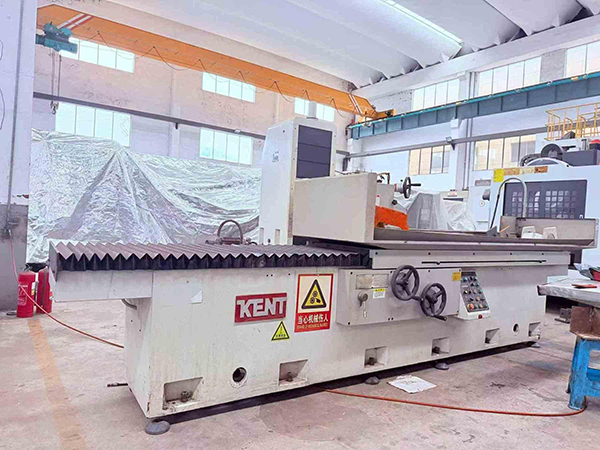
Used Kent KGS-715AH Surface GrinderThis used Kent KGS-715AH Surface Grinder is a Taiwan-made 2022 surface grinding machine with a 1500 x 700 mm worktable, 600 mm table-to-spindle-center clearance, and 355 x 20–50 x 127 mm grinding wheel size. It is a practical choice for plants handling precision flat grinding, large mold plates, tooling components, fixture bases, and machined parts in automotive, aerospace, mold making, medical device, and electronics production. Stock No. 812230 is in stock, available for inspection, and positioned as a cost-effective way to add grinding capacity without waiting for a new machine build cycle. Stock Status and buying value The Kent KGS-715AH Surface Grinder for sale is listed as Stock No. 812230 and is available now for buyer inquiry. For procurement managers and production teams, the main value of an in-stock used surface grinder is time. Instead of planning around a long equipment lead time, the machine can be inspected, compared with current tooling and workpiece requirements, and prepared for shipment once the commercial details are confirmed. This machine is especially relevant for factories that already run milling, machining, EDM, or tooling operations but need additional flat grinding capacity. The 1500 x 700 mm worktable gives the grinder a practical working envelope for medium-to-large plates and precision components. That table size matters when a shop needs to grind mold inserts, die plates, fixture plates, machine bases, or batch components that are not efficient to process on a smaller grinder. The 2022 production year also makes this machine attractive to buyers who want used equipment but prefer a relatively recent build year. The buying value is based on clear points that can be verified before buying: current stock availability, a large worktable, Taiwan origin, and inspection items that are easy to check during evaluation. Key Specifications and Production Readiness A surface grinder should be evaluated by more than the specification sheet alone. Table size, spindle clearance, and grinding wheel dimensions all affect what parts can be processed, how tooling can be set up, and whether the machine fits the shop’s real production flow. Machine Category Surface Grinding Machine Brand Kent Model KGS-715AH Stock Number 812230 Origin Taiwan Year 2022 Worktable Size 1500 x 700 mm Distance from Table to Spindle Center 600 mm Grinding Wheel Size 355 x 20–50 x 127 mm 1500 x 700 mm worktable for larger flat work The 1500 x 700 mm table is the key production-fit specification on this machine. It provides the table area needed for long plates, wide mold components, larger fixture bases, and multiple smaller parts arranged in one batch. For mold making and die work, this table size can help reduce the need to split grinding jobs across several smaller setups. For general machining suppliers, it supports a wider range of customer parts without requiring a dedicated large grinder for every order. 600 mm table-to-spindle-center clearance The 600 mm distance from the worktable to the spindle center helps define the practical height available for the workpiece, magnetic chuck, fixture, and grinding setup. This is important when grinding parts mounted on blocks, mold plates with raised features, or tooling components that need extra clearance above the table. Buyers should compare this dimension with their tallest real setups, not just the nominal part height. 355 x 20–50 x 127 mm grinding wheel size The 355 x 20–50 x 127 mm grinding wheel specification is important for wheel selection and process planning. The wheel width range allows the shop to consider narrower or wider contact depending on the part surface, stock removal requirement, and finish target. For procurement teams, confirming the wheel size also helps determine whether existing abrasive inventory is compatible or whether new wheels should be prepared with the machine. Frequently Asked Questions Is the used Kent KGS-715AH Surface Grinder currently in stock? Yes. This machine is listed as Stock No. 812230 and is presented as in stock for inquiry. Buyers can request inspection details and confirm shipment planning after commercial confirmation. What are the key specifications of this Kent KGS-715AH Surface Grinder? The key specifications are a 1500 x 700 mm worktable, 600 mm distance from table to spindle center, and 355 x 20–50 x 127 mm grinding wheel size. These dimensions help buyers evaluate part size, setup clearance, and wheel compatibility. Who should consider buying this surface grinder? It is suitable for mold shops, automotive tooling suppliers, aerospace machining plants, medical device manufacturers, electronics factories, and general precision machining companies that need flat grinding capacity for plates, fixtures, tooling blocks, and machined parts. Can this machine help increase factory capacity quickly? Yes, if your current production is delayed by limited grinding capacity or outsourced flat grinding. Because the machine is in stock, it can be inspected now and prepared for shipment after order confirmation. What should be checked before purchasing this used surface grinder? Important checks include table movement, spindle running condition, usable table area, table-to-spindle clearance, control response, and compatibility with the required 355 x 20–50 x 127 mm grinding wheel. Is the 1500 x 700 mm table suitable for mold and tooling work? Yes. The table size is well matched to many mold plates, die components, fixture bases, and larger precision flat parts. Buyers should still compare the table size with their actual workpiece dimensions and clamping method.
-
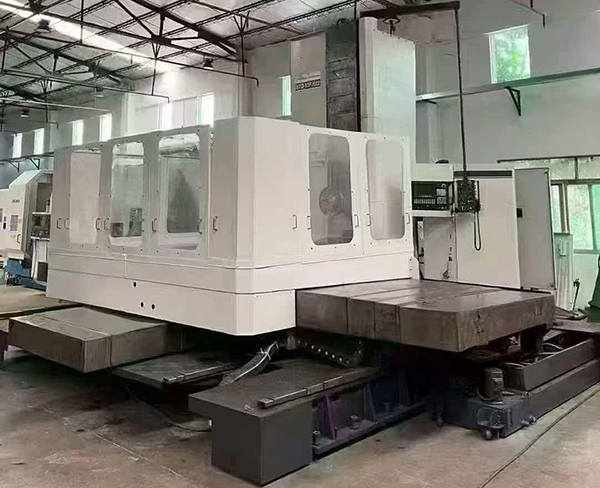
Used TOSHIBA BTD-13F.R22 Boring and milling machineThis used Toshiba BTD-13F.R22 CNC floor-type boring and milling machine is a Japanese-built heavy machining solution equipped with TOSNUC 888 control, 3000 × 2300 × 1600 × 700 mm X/Y/Z/W travel, a Ø130 mm boring spindle, a BT50 geared spindle, 2500 rpm spindle speed, and a 2200 × 1800 mm table. It is suitable for manufacturers machining large housings, dies, molds, aerospace structures, automotive tooling, medical equipment frames, and precision electronic equipment components. Stock number 812216 is in stock, available now, and available for inspection, making it a cost-effective option for shops that need to add large-part CNC boring and milling capacity without waiting for a new machine lead time. Core Specifications and What They Mean in Production The Toshiba BTD-13F.R22 is designed for large workpieces that require both working range and rigidity. For a production manager, the key question is not only whether the machine can cut the material, but whether its travels, spindle size, table area, tooling interface, and control system match the parts scheduled for regular production. This machine combines long-axis capacity with a Ø130 mm boring spindle, making it suitable for medium-to-large machining work where hole accuracy, face milling access, and multi-side machining are important. CNC System: TOSNUC 888A Toshiba CNC platform for multi-axis boring and milling operations, suitable for programmed machining cycles and repeatable large-part production. X/Y/Z/W Travel: 3000 × 2300 × 1600 × 700 mmThe machine offers a long working envelope for large frames, base plates, molds, tooling blocks, and structural components. Spindle Taper: BT50 Geared HeadBT50 tooling supports heavy milling cutters, boring bars, face mills, drills, and roughing tools commonly used in industrial machining. Spindle Speed: 2500 rpmThe speed range supports boring, drilling, and general milling in steel, cast iron, aluminum, and other common engineering materials. Boring Spindle Diameter: Ø130 mmThe large boring spindle provides the rigidity needed for deep boring, facing, and large-diameter hole machining. Table Size: 2200 × 1800 mmThe table area provides practical support for large workpieces, fixtures, mold bases, housings, and tooling plates. Table Indexing Accuracy: 1/10000Fine table indexing supports angular positioning when machining multiple faces or features around a workpiece. Tool Magazine Capacity: 38 ToolsThe tool magazine allows multiple operations to be prepared in one setup, reducing manual tool changes during complex jobs. Tooling Match and Part Fit Tooling compatibility is one of the main reasons buyers consider a used Toshiba BTD-13F.R22 CNC floor-type boring and milling machine. The BT50 geared spindle is a heavy industrial interface widely used on boring mills, machining centers, and large milling machines. For a shop already using BT50 holders, this can simplify toolroom integration. For a plant planning new tooling, BT50 provides a practical platform for boring heads, shell mills, indexable drills, face mills, and long-reach tools. Where the Ø130 mm Boring Spindle Matters A Ø130 mm boring spindle is valuable for work involving large bores, bearing seats, hydraulic cylinder housings, gearbox housings, turbine-related parts, and precision mounting holes. Compared with lighter milling machines, this spindle diameter gives the machine a stronger foundation for boring operations where tool overhang and cutting pressure can affect surface finish and geometry. Table Size and Fixturing Space The 2200 × 1800 mm table provides space for substantial fixtures and large workpieces. This matters in mold making, automotive die work, aerospace tooling, and machinery base machining because the fixture itself often takes up a significant portion of the table. Buyers should compare the table dimensions with the maximum length, width, clamping allowance, and fixture height of their typical workpieces. One Machine, Many Applications Automotive: die components, gearbox housings, engine-related fixtures, tooling plates, and large production equipment parts. Aerospace: structural components, tooling frames, fixture bases, and large aluminum or alloy workpieces requiring multi-face access. Mold making: mold bases, cavity support blocks, large plates, and deep pocket machining where reach and rigidity matter. Medical devices: machine frames, precision housings, equipment bases, and fixture tooling for regulated production environments. Electronics: large equipment frames, semiconductor-related tooling, machine bases, and precision aluminum structures. Frequently Asked Questions What does the 3000 × 2300 × 1600 × 700 mm travel mean for part selection? It defines the working reach of the X, Y, Z, and W axes. This travel range is suitable for large parts, tall fixtures, deep bores, and multi-face machining where a smaller machining center may require repeated repositioning. Is the BT50 geared spindle suitable for heavy milling and boring? Yes. BT50 is a heavy industrial tooling interface, and the geared head is appropriate for large cutters, boring heads, drills, and face mills used on steel, cast iron, mold bases, and equipment components. What part types are a good match for the Ø130 mm boring spindle? The Ø130 mm spindle is suitable for gearbox housings, bearing bores, hydraulic equipment bodies, mold bases, machine frames, and structural components that require rigid boring and stable cutting. How should buyers interpret the 2500 rpm spindle speed? The 2500 rpm speed is practical for general boring, drilling, and milling. Buyers should compare tool diameter, material, and surface finish requirements to confirm whether the speed range matches their process plan. Does the 2200 × 1800 mm table fit large molds and tooling plates? It can fit many large molds, plates, housings, and fixtures, but buyers should check part size together with clamping allowance, fixture thickness, tool reach, and required machining clearance. Why is the 38-tool magazine important for production planning? A 38-tool magazine allows multiple tools to be prepared for roughing, finishing, drilling, boring, and chamfering. This helps complex workpieces move through more operations in one setup. Who should inquire about this used Toshiba BTD-13F.R22? It is suitable for factories needing an in-stock CNC floor-type boring and milling machine for large-part machining, especially in automotive, aerospace, mold making, medical device equipment, and electronics equipment production.
-
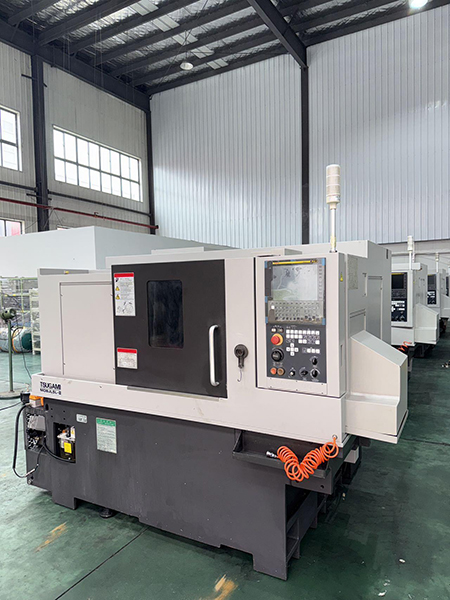
Used Tsugami M08JL5-II CNC Lathe for Turning ProductionThis used Tsugami M08JL5-II CNC lathe is a Japanese CNC turning machine equipped with a FANUC 0i-TF Plus control, 280 mm maximum turning diameter, 500 mm maximum machining length, 65 mm bar capacity, and 4,000 rpm spindle speed. It is suitable for manufacturers producing shaft parts, bushings, sleeves, precision turned components, and medium-size bar-fed parts for automotive, aerospace, mold making, medical device, and electronics supply chains. The machine is in stock under inventory number 812205, and is available for evaluation for inspection, tooling fit, shipment planning, and production suitability. Stock Status and buying value The Tsugami M08JL5-II CNC lathe is currently listed in stock, which is important for buyers who want to inspect a real machine rather than make a decision from catalog data alone. For procurement managers and production teams, an in-stock CNC lathe helps shorten the buying process because the machine, model, control system, travels, spindle data, and footprint can be checked against the factory’s actual part mix before the inquiry moves forward. This model falls into a practical mid-range category for turning work. The 280 mm maximum machining diameter gives it capacity beyond small precision pins, while the 65 mm bar through-hole makes it useful for bar-fed components, hydraulic fittings, threaded parts, connectors, spacers, collars, and shaft-type products. The 500 mm maximum machining length is also important for buyers who need flexibility between short-cycle small parts and longer workpieces requiring stable Z-axis travel. In the used CNC machinery market, Tsugami machines are often considered for precision turning applications where compact size, familiar CNC control, and bar work capability matter. This M08JL5-II, equipped with FANUC 0i-TF Plus, suits factories that want operators and programmers to work with a widely used industrial control platform. Its current stock status gives buyers the opportunity to compare the machine directly with production requirements such as part diameter, cycle rhythm, available floor space, and bar material size. Key Specifications and Production Readiness The key production question is not simply whether this is a used CNC lathe, but whether its capacity matches the parts the factory plans to run. The M08JL5-II provides 160 mm X-axis travel and 560 mm Z-axis travel, giving the machine room for facing, turning, grooving, boring, and threading operations on medium-size components. For process engineers, the Z-axis travel supports workpieces up to 500 mm machining length, making the machine relevant for shafts, pins, sleeves, and longer turned parts that may exceed the practical range of smaller compact lathes. The 280 mm maximum machining diameter provides a useful turning envelope for round parts, flanges, housings, and cylindrical blanks. In mold making, this can be useful for inserts, bushings, and round tooling components. In automotive and aerospace supply chains, it can be considered for bushings, spacers, connector bodies, precision shafts, and light structural turned parts, provided the material, chucking method, and tooling arrangement are suitable. In electronics and medical device production, the advantage is that one machine can cover several component families, from smaller bar-fed parts to moderate-diameter precision components. The 4,000 rpm maximum spindle speed is relevant for shops machining steel, aluminum, brass, stainless steel, and engineering materials under a controlled turning process. The spindle motor power of 11 kW continuous and 18.5 kW peak should be reviewed against the intended cutting depth, material hardness, insert selection, and cycle time expectations. For many buyers, this combination is attractive because it supports general turning as well as more demanding roughing operations when the workholding and tooling are properly matched. Rapid traverse speeds of 24 m/min on the X-axis and 27 m/min on the Z-axis affect non-cutting movement. This matters for factories running batches that require repeated tool approaches, retracts, and position changes. Although actual output depends on the program, tooling, operator practice, and material, these rapid rates show that the machine is intended for a modern production pace rather than occasional manual-style machining. Brand and Model Tsugami M08JL5-II CNC Lathe Control System FANUC 0i-TF Plus CNC control Maximum Turning Diameter 280 mm, suitable for medium-size round components Maximum Machining Length 500 mm, useful for shafts, sleeves, and longer turned parts Bar Through-Hole Diameter 65 mm, important for bar-fed turning work Spindle Speed Up to 4,000 rpm Spindle Motor Power 11 / 18.5 kW continuous / peak Axis Travel X-axis 160 mm; Z-axis 560 mm Rapid Traverse X-axis 24 m/min; Z-axis 27 m/min Machine Footprint 1970 × 1778 × 1600 mm Machine Weight 3830 kg Year 2023 Why This Machine is worth considering now In the current used CNC machinery market, buyers often look for machines that combine a known control system, reasonable floor space, practical bar capacity, and a turning envelope large enough for more than miniature parts. The Tsugami M08JL5-II fits that requirement with its 65 mm bar passage, 4,000 rpm spindle speed, 500 mm machining length, and FANUC 0i-TF Plus control in a compact machine footprint. Its value is strongest as a versatile all-rounder. A factory may use the same machine capability for automotive spacers one month, mold components the next, and electronics connector bodies after that. For subcontract manufacturers, this “one machine, multiple applications” approach can be more useful than a machine optimized for only one narrow part. The ability to review an in-stock machine also helps buyers move from general market research to a clear production-fit decision. Commercially, the next step is straightforward: request current photos, confirm stock number 812205, prepare sample part drawings or part size ranges, and arrange an inspection discussion based on the actual production plan. The more specific the inquiry, the easier it is to decide whether this used Tsugami M08JL5-II CNC lathe should be shortlisted for shipment and installation planning. Frequently Asked Questions Is the used Tsugami M08JL5-II CNC Lathe in stock? Yes. This machine is listed in stock under inventory number 812205. Buyers can send an inquiry to confirm current availability and inspection arrangements. What production work is this Tsugami M08JL5-II best suited for? It is suitable for medium-size CNC turning work, especially shaft parts, sleeves, bushings, fittings, collars, spacers, connector bodies, and bar-fed components within 280 mm diameter, 500 mm length, and 65 mm bar capacity. What should be checked during inspection of this CNC lathe? Key checks include FANUC 0i-TF Plus control operation, spindle running condition, X-axis and Z-axis movement, usable work envelope, and whether the machine dimensions and 3830 kg weight fit the buyer’s site plan. Is the 65 mm bar through-hole important for purchase evaluation? Yes. The 65 mm bar through-hole is a major factor if the factory plans bar-fed production. Buyers should compare their raw bar diameter, chucking method, and finished part size before making a decision. Which industries can use this Tsugami CNC lathe? It can be evaluated for automotive, aerospace, mold making, medical device, and electronics component production, provided the parts match the stated diameter, length, spindle power, and tooling requirements. What information should be included in an inquiry? Include the stock number 812205, target part drawings or dimensions, material, batch size, required tolerance range, bar or chucking plan, and preferred inspection or shipment timing.
-
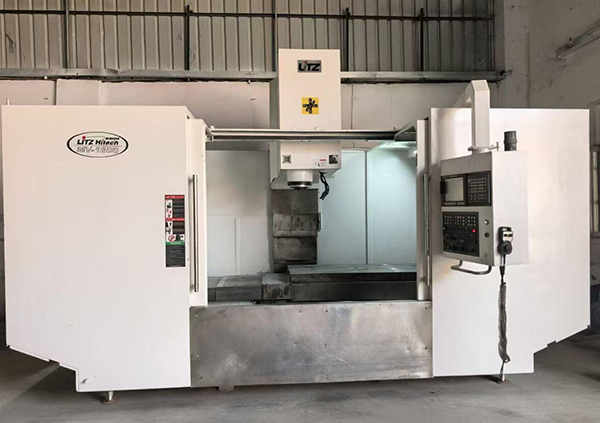
Used Litz MV-1680 Vertical Machining Center for Immediate CapacityThis used Litz MV-1680 Vertical Machining Center is a Taiwan-built CNC machining solution equipped with FANUC MD control, 1600 × 800 × 700 mm X/Y/Z travel, a 6000 rpm BT50 gear-head spindle, and box guideways on all three axes. It is in stock under inventory number 812187 and is suitable for factories looking for a large-travel used VMC for molds, plates, housings, fixtures, aerospace structural parts, automotive tooling, and general precision machining. For buyers who need machining capacity quickly, this machine is worth reviewing because it offers broad application coverage with immediate inspection and shipment readiness. Stock Status and buying value The Litz MV-1680 Vertical Machining Center is currently in stock and ready for buyers who want to increase machining capacity without waiting for a new machine build cycle. For procurement managers and production teams, the value is straightforward: this is a clearly identified stock machine with defined specifications, an inventory number, and a configuration that can be checked against actual parts and tooling before purchase. As a used Litz MV-1680 Vertical Machining Center, it is especially relevant for factories that need a larger VMC work envelope than a standard 850 or 1060 machine. The 1600 mm X-axis travel provides room for long plates, mold bases, multi-cavity tooling, large fixtures, and batch setups. The 800 mm Y-axis travel supports wider workpieces, while the 700 mm Z-axis travel helps with taller components and longer tool assemblies. These specifications make the machine a practical all-round option for shops handling mixed work rather than one dedicated part family. Stock value is not only about availability. It is about whether the available machine fits the buyer’s production gap. A factory machining automotive die components, aerospace brackets, medical equipment plates, electronics fixtures, or precision mold inserts may need a machine capable of both heavier roughing and general finishing. The BT50 gear-head spindle and box guideways on all three axes make this machine more suitable for stable cutting on larger workpieces than a light-duty, small-taper VMC. Key Specifications and Production Readiness The specifications of the Litz MV-1680 should be reviewed in terms of production fit, not just as standalone numbers. A vertical machining center with 1600 × 800 × 700 mm travel can handle many medium-to-large machining jobs that may not fit comfortably on smaller VMCs. This matters for factories that quote a wide range of parts, because a larger travel range can reduce the need to outsource oversized plates, bases, and fixtures. BrandLitz ModelMV-1680 Machine TypeVertical Machining Center CNC SystemFANUC MD X/Y/Z Axis Travel1600 × 800 × 700 mm Spindle Speed6000 rpm Spindle InterfaceBT50 Spindle Drive StyleGear-head spindle Guideway TypeBox guideways on X, Y, and Z axes Inventory Number812187 Large Travel for Flexible Part Loading The 1600 mm X-axis travel is useful for long molds, structural plates, machine frames, fixture bases, and multi-part setups. In production terms, one machine can handle both single large workpieces and smaller parts arranged across the working area. For job shops, mold makers, and in-house tooling departments, that flexibility can improve scheduling because more jobs can be assigned to the same machine platform. BT50 Gear-Head Spindle for Heavier Cutting Tasks The BT50 spindle interface is important for buyers planning to use larger cutting tools, face mills, boring tools, and heavier holders. Combined with a gear-head spindle, this configuration is better aligned with torque-demanding operations than small-taper machines focused mainly on high-speed machining. The listed 6000 rpm spindle speed is suitable for many steel, cast iron, mold base, aluminum plate, and general engineering applications where stable material removal is more important than ultra-high spindle speed. Box Guideways on Three Axes Box guideways on all three axes are a key production-fit detail. In real machining conditions, box guideways are often preferred for stable cutting behavior on heavier workpieces, deeper cuts, and interrupted cuts. For buyers machining automotive tooling, mold plates, aerospace structural components, or equipment bases, this guideway design supports the machine’s role as a robust all-round machining platform. FANUC MD Control for Shop-Floor Familiarity The FANUC MD CNC system is a practical advantage for factories already running FANUC-based machines. Familiar control operation can make it easier to align programs, operator habits, tool offsets, and inspection routines across the shop floor. For a used vertical machining center, this helps reduce uncertainty during evaluation because engineers can focus on machine condition, machining envelope, tooling fit, and production suitability. which operations should consider this machine now This used Litz MV-1680 Vertical Machining Center is best suited for manufacturers that need one machine to cover many applications rather than a narrow-purpose production cell. Its combination of large travel, BT50 spindle interface, gear-head spindle design, and box guideways on all three axes makes it attractive for factories machining a changing mix of medium and large workpieces. Is This Machine Right for Your Production? This machine is a strong match if your current machining bottleneck involves workpieces that are too long, too wide, or too heavy for smaller vertical machining centers. The 1600 × 800 × 700 mm travel range supports large work envelopes, while the BT50 spindle fits tooling departments using rigid holders and larger cutters. If your process requires very high spindle speed for micro-machining, this 6000 rpm machine may not be the first choice. If your priorities are stable cutting, broad part coverage, and immediate capacity, it is more likely to fit your needs. Automotive Tooling and General Components Automotive suppliers and tooling rooms can use this machine for die shoes, fixture plates, checking fixture components, mold bases, gearbox-related housings, and bracket machining. The large X-axis travel supports long tooling parts, while the BT50 gear-head spindle is relevant for machining steel plates or cast components that require stronger cutting engagement. Aerospace Structural Parts and Fixtures Aerospace subcontractors often handle aluminum structural parts, fixture plates, tooling blocks, and support components that require a wide machining envelope. The 800 mm Y-axis travel and 700 mm Z-axis travel help when clamping taller parts or using longer tools. For factories evaluating a Litz vertical machining center for sale, the MV-1680 should be considered when part size flexibility is a major requirement. Mold Making and Die Work Mold makers can consider this machine for mold bases, cavity plates, inserts, backing plates, and rough machining before finishing operations. The three-axis box guideway structure and BT50 spindle interface are meaningful for roughing and semi-finishing larger steel blocks. The 6000 rpm spindle speed is suitable for many mold base and general die machining tasks, especially where torque and rigidity matter. Medical Devices, Electronics, and Precision Fixtures Medical device and electronics manufacturers may not need a large machine for every part, but fixture production, equipment plates, test jigs, and assembly tooling can require a larger machining envelope. This is where the “one machine, many applications” value becomes clear. The same MV-1680 can machine fixture bases one day, production tooling the next, and general CNC plate work afterward. Frequently Asked Questions Is the used Litz MV-1680 Vertical Machining Center in stock now? Yes. This Litz MV-1680 Vertical Machining Center is listed as in stock under inventory number 812187. Buyers can send an inquiry to confirm current availability, inspection timing, and shipment planning. What are the most important specifications to check for production fit? The key specifications are the 1600 × 800 × 700 mm X/Y/Z travel, 6000 rpm spindle speed, BT50 gear-head spindle, FANUC MD CNC control, and box guideways on all three axes. These details determine workpiece size, tooling compatibility, cutting capability, and shop-floor suitability. Who should consider buying this Litz MV-1680 VMC? It is suitable for mold makers, automotive tooling shops, aerospace subcontractors, medical device tooling teams, electronics fixture manufacturers, and general machining factories that need a large-travel used VMC with BT50 tooling capability. What should be inspected before purchasing this used vertical machining center? Buyers should check spindle running condition, full-axis movement, box guideway condition, lubrication points, FANUC MD control functions, and the match between the machine envelope and their actual workpieces or fixtures. Why choose this machine instead of waiting for a new VMC? If your factory needs immediate capacity, an in-stock used Litz MV-1680 can be inspected and prepared for shipment faster than a new machine procurement timeline. Its large travel and BT50 gear-head spindle make it useful across many part types and industries.
-
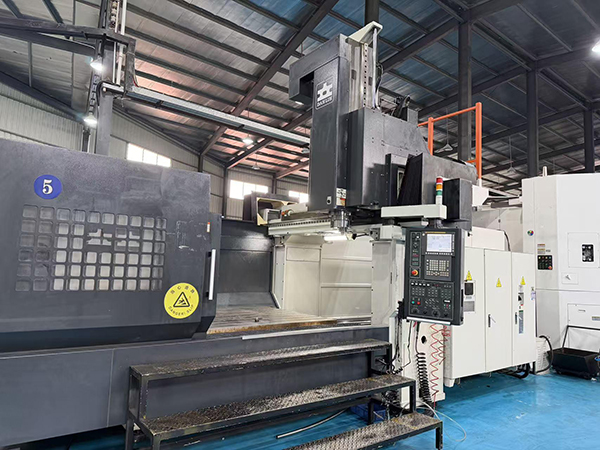
Used DAHLIH DM-2216 CNC Gantry Machining Center for Production Fit EvaluationThis used DAHLIH DM-2216 CNC Gantry Machining Center is a Taiwan-built gantry machining center equipped with Fanuc 0i-MF control, 2200 × 1600 × 800 mm three-axis travel, roller linear guideways on all three axes, a 10,000 rpm spindle, and a BT50 spindle taper. It is suitable for manufacturers machining large plates, molds, aerospace structural parts, automotive fixtures, medical device tooling, and electronics production tooling. Stock number 812158 is in stock, available now, available for inspection, and offers a cost-effective way to add large-format CNC milling capacity without waiting for a new machine lead time. Core Specifications and What They Mean in Production The DAHLIH DM-2216 is a used CNC gantry machining center built for workpieces that exceed the envelope of smaller vertical machining centers. Its gantry design and 2200 mm X-axis travel make it practical for long workpieces, mold bases, fixture plates, large housings, and multi-position setups where several smaller components are clamped and machined in one cycle. Brand DAHLIH Model DM-2216 Machine Type CNC Gantry Machining Center Origin Taiwan Year 2017 CNC System Fanuc 0i-MF Three-Axis Travel X 2200 mm × Y 1600 mm × Z 800 mm Guideway Type Roller linear guideways on X, Y, and Z axes Spindle Speed 10,000 rpm Spindle Taper BT50 The 2200 × 1600 × 800 mm travel should be the first specification checked against your parts and fixtures. X and Y travel define the available machining area for long plates, mold inserts, frames, die components, and nested fixture layouts. The 800 mm Z-axis travel is important when machining tall parts, using long toolholders, or mounting workpieces on raised fixtures. For production managers, this travel range can help reduce the need to divide large jobs across several smaller machines. The Fanuc 0i-MF CNC system is a practical control platform for milling, drilling, boring, contouring, and general three-axis machining. For process engineers, this is important because operators and programmers already familiar with Fanuc machining centers can usually assess program transfer, tool data, offsets, and shop-floor workflow more easily than they can with an unfamiliar control system. The machine is fitted with roller linear guideways on all three axes. In production use, this supports smooth axis movement across the large working envelope and is useful for mold finishing, aluminum structural machining, fixture machining, and repeated positioning along long workpieces. The guideway configuration should be reviewed together with your part material, cutting load, and expected machining pattern. A 10,000 rpm spindle gives this gantry machining center a useful speed range for both general milling and finishing operations. Combined with BT50 tooling, it can accept larger toolholders and heavier cutter bodies than smaller taper machines. This combination is especially relevant for mold making, automotive tooling, aerospace plates, and production fixtures where both material removal and finishing may be required on the same machine. Tooling Match and Part Fit The BT50 spindle taper is one of the key selection points for this machine. BT50 tooling is commonly used for larger cutters, face mills, roughing tools, boring heads, and long-reach setups. Compared with smaller tapers, BT50 is better suited to heavier milling work and larger components. If your shop already uses BT50 toolholders, this machine may integrate more naturally into your existing tooling system. The 10,000 rpm spindle also gives the machine more flexibility than a purely low-speed heavy-cut machine. For example, a mold shop may use larger tools to rough cavities or base plates, then change to smaller finishing tools for surface work. An aerospace supplier may machine aluminum plates or structural parts that require both long travel and higher spindle speed. An automotive tooling department may use the machine for checking fixtures, stamping die components, and large fixture bases. Part fit should be evaluated based on the complete setup, not only the finished component size. A 1800 mm long part may still require extra travel for clamps, probing moves, tool approach, cutter clearance, and edge machining. The 2200 mm X-axis travel provides additional room for these real production requirements. Likewise, the 1600 mm Y-axis travel can support wide plates, large mold bases, and fixture layouts with multiple work zones. The DM-2216 is also suitable for mixed-production factories that need one machine to handle many applications. A mold maker can machine die sets, inserts, and base plates. A medical device supplier can produce larger fixtures and precision tooling. An electronics manufacturer can machine tooling plates, test fixtures, and equipment components. A general subcontract machining shop can use the same platform for large-format jobs that do not fit standard vertical machining centers. Frequently Asked Questions What does the 2200 × 1600 × 800 mm travel mean for part size? It means the machine can move 2200 mm in X, 1600 mm in Y, and 800 mm in Z. Buyers should compare these travels with the full setup size, including the workpiece, fixture, clamps, tool length, and safe approach space. Is the BT50 spindle taper suitable for mold and fixture machining? Yes. BT50 is well matched to larger toolholders, face mills, boring tools, and heavier cutter engagement. For mold bases, die components, and large fixture plates, BT50 tooling is often more appropriate than smaller taper systems. How should I evaluate the 10,000 rpm spindle speed? The 10,000 rpm spindle supports a useful range of machining work, from general milling to finishing with smaller tools. It should be evaluated together with your material, cutter diameter, surface finish target, and cycle rhythm. Does this used CNC gantry machining center fit automotive and aerospace work? It can fit many automotive and aerospace applications when the parts require long travel, large fixtures, or BT50 tooling. Typical examples include fixture plates, structural aluminum parts, mold bases, and tooling components. Why do roller linear guideways matter on this machine? Roller linear guideways on all three axes support smooth movement across the machine envelope. This is important for long toolpaths, large molds, wide plates, and repeated positioning across multiple clamping zones. Is this DAHLIH DM-2216 available for immediate capacity expansion? Yes. Stock number 812158 is in stock, available now, and available for inspection. It is a practical option for factories that need large-format machining capacity without waiting for a new machine build cycle.
-
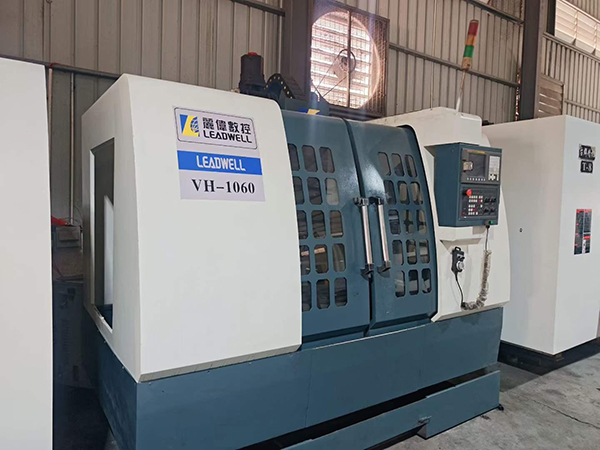
Used Leadwell VH-1060 Vertical Machining Center Specs for Production EvaluationThis used Leadwell VH-1060 Vertical Machining Center is a Taiwan-made 2017 CNC milling machine equipped with Fanuc 0i-MD control, 1000 x 600 x 500 mm XYZ travel, a BT40 spindle taper, 8000 rpm spindle speed, and a 20-tool umbrella-type magazine. It is suitable for manufacturers machining medium-size precision components, molds, fixtures, plates, housings, and general prismatic parts. Stock number 812141 is in stock, available now, available for inspection, and offers a cost-effective way to add machining capacity without waiting for new-machine lead time. Core Specifications and What They Mean in Production The Leadwell VH-1060 is a vertical machining center designed for general CNC milling work where part size, tool access, and process flexibility matter more than single-purpose automation. For factories comparing used VMC options, the key question is not simply whether the machine can cut, but whether its travel, spindle interface, tool capacity, and CNC control match the parts already in production. Machine Name Used Leadwell VH-1060 Vertical Machining Center Brand and Model Leadwell VH-1060 Origin Taiwan Year 2017 CNC Control Fanuc 0i-MD XYZ Axis Travel 1000 x 600 x 500 mm Spindle Taper BT40 Maximum Spindle Speed 8000 rpm Tool Magazine 20-tool umbrella-type automatic tool changer Stock Number 812141 The 1000 mm X-axis travel provides room for longer plates, brackets, mold inserts, and multi-part fixtures. The 600 mm Y-axis travel is useful for wider housings, cavities, and fixture layouts where several parts need to be clamped at the same time. The 500 mm Z-axis travel gives practical vertical clearance for common milling setups, vise work, tooling blocks, and parts that require drilling, tapping, or pocket machining from above. The BT40 spindle taper places this machine in a widely used tooling category. For shops already using BT40 tool holders, end mills, drills, face mills, boring heads, and tapping tools, the tooling transition can be straightforward. The 8000 rpm spindle speed supports a broad cutting range, including roughing and finishing of steels at moderate spindle speeds, aluminum machining with suitable tooling, and general mold or fixture machining where both surface finish and cycle balance are important. The Fanuc 0i-MD CNC control is important for production planning because many operators, programmers, and process engineers are already familiar with Fanuc-based programs. For a factory adding this used Leadwell VH-1060 VMC in stock to an existing CNC department, familiar control operation can reduce changeover friction and help standardize programming methods across machines. Tooling Match and Part Fit Tooling compatibility is one of the fastest ways to judge whether this Leadwell vertical machining center fits your factory. The BT40 spindle taper is commonly used for medium-duty milling, drilling, tapping, boring, chamfering, and finishing. It is not limited to one industry or one part family, making the VH-1060 a versatile all-round VMC for factories that need one machine to cover several production tasks rather than a single dedicated component. Suitable Tooling BT40 end mill holders for pocketing, profiling, and contour milling Face mill holders for plate facing and datum preparation Drill chucks and collet holders for hole-making operations Tapping tools for threaded holes in fixtures, molds, and housings Boring tools for more controlled hole finishing when required Suitable Part Families Automotive brackets, plates, dies, and fixture components Aerospace structural parts and aluminum machining work within travel range Mold inserts, cores, cavities, and tooling plates Medical device components requiring multiple milled features Electronics housings, heat sink parts, precision plates, and jigs The 20-tool umbrella-type automatic tool changer is also important for process planning. A 20-position magazine can handle typical VMC programs that include roughing, semi-finishing, finishing, drilling, tapping, chamfering, and inspection-related probing tools when the process layout is controlled. For very complex parts requiring many cutters, engineers should compare the required tool list with the 20-tool capacity before planning unattended cycles or long programs. Part fit should be checked against the 1000 x 600 x 500 mm travel envelope, workholding height, cutter length, and the clearance required for safe tool changes. For production managers, this means reviewing not only the nominal part size, but also the vise, fixture plate, clamps, parallels, cutting tool projection, and any rotary device planned for the job. If your work includes medium-size prismatic components, multiple smaller components on a fixture, or mold-related blocks within the travel range, this used Leadwell VH-1060 Vertical Machining Center can support many applications from one machine platform. How the Key Specs Affect Machine Selection Selecting a used vertical machining center is mainly about production fit. The VH-1060 offers a practical balance of travel size, tooling availability, spindle speed, and CNC control. It is especially relevant for factories that need to increase milling capacity quickly and want a machine that can move between job-shop, tooling, mold, and component machining work. Travel Size: 1000 x 600 x 500 mm XYZ travel is one of the most important selection factors. A 1000 mm X-axis suits long workpieces and multi-part fixture layouts. A 600 mm Y-axis provides more cross-travel than smaller VMCs, which helps when machining wider parts or setting several components across a fixture. The 500 mm Z-axis should be checked against your tallest workpiece and longest tool assembly. For many production teams, this travel range is large enough to handle daily machining without moving to a much larger machine footprint. BT40 Spindle Taper BT40 is a practical choice for factories that need one machine for many applications. It supports common milling cutters and drilling tools while keeping tooling availability and cost favorable compared with less common interfaces. If your current tool room already uses BT40 holders, this machine can fit existing tool inventory and simplify cutter allocation across multiple VMCs. 8000 rpm Spindle Speed An 8000 rpm spindle is suitable for general machining work, including steel, cast iron, aluminum, and engineering plastics when paired with the right cutter and cutting data. It is not a dedicated ultra-high-speed spindle, but it provides enough speed for many finishing, drilling, and contouring jobs. Process engineers should compare the required surface speed of their materials and cutter diameters with the 8000 rpm limit. Fanuc 0i-MD Control Control system compatibility matters when transferring programs, training operators, and standardizing CNC workflow. The Fanuc 0i-MD system is a familiar control platform in many machining departments. For factories already using Fanuc controls, this can make the VH-1060 easier to integrate into existing programming practices and shop floor routines. Frequently Asked Questions What does the 1000 x 600 x 500 mm travel mean for part selection? The travel defines the maximum axis movement available for machining. On this Leadwell VH-1060, the 1000 mm X-axis is useful for longer plates and multi-part fixtures, while the 600 mm Y-axis supports wider parts. The 500 mm Z-axis should be checked together with workholding height, tool length, and safe clearance. Is the BT40 spindle suitable for mold making and general component machining? Yes. BT40 is widely used for medium-duty milling, drilling, tapping, boring, and finishing. It is suitable for mold inserts, tooling plates, brackets, housings, fixtures, and many general components, provided the cutter size and cutting load match the machine setup. How should engineers evaluate the 8000 rpm spindle speed? The 8000 rpm spindle speed is suitable for many steel, aluminum, cast iron, and plastic machining jobs. Engineers should compare cutter diameter, material, required surface speed, and finish requirements. If your process uses very small cutters at very high surface speeds, check whether 8000 rpm is sufficient. Is a 20-tool umbrella-type magazine enough for production work? A 20-tool magazine is sufficient for many programs involving roughing, finishing, drilling, tapping, and chamfering. For complex parts with many tool types, compare the complete tool list against the 20 available positions before planning the cycle. Who should consider this used Leadwell VH-1060 Vertical Machining Center? It is suitable for procurement managers, factory owners, production managers, and process engineers who need a used vertical machining center in stock for medium-size CNC milling work. It fits automotive, aerospace, mold making, medical device, electronics, fixture, and general machining applications within the listed specifications. What should be checked before sending an inquiry for this machine? Check your largest part size, fixture height, BT40 tooling inventory, required spindle speed, number of tools per program, and control compatibility. If those points match the VH-1060 specs, stock number 812141 is available now for inspection and purchase evaluation.