-
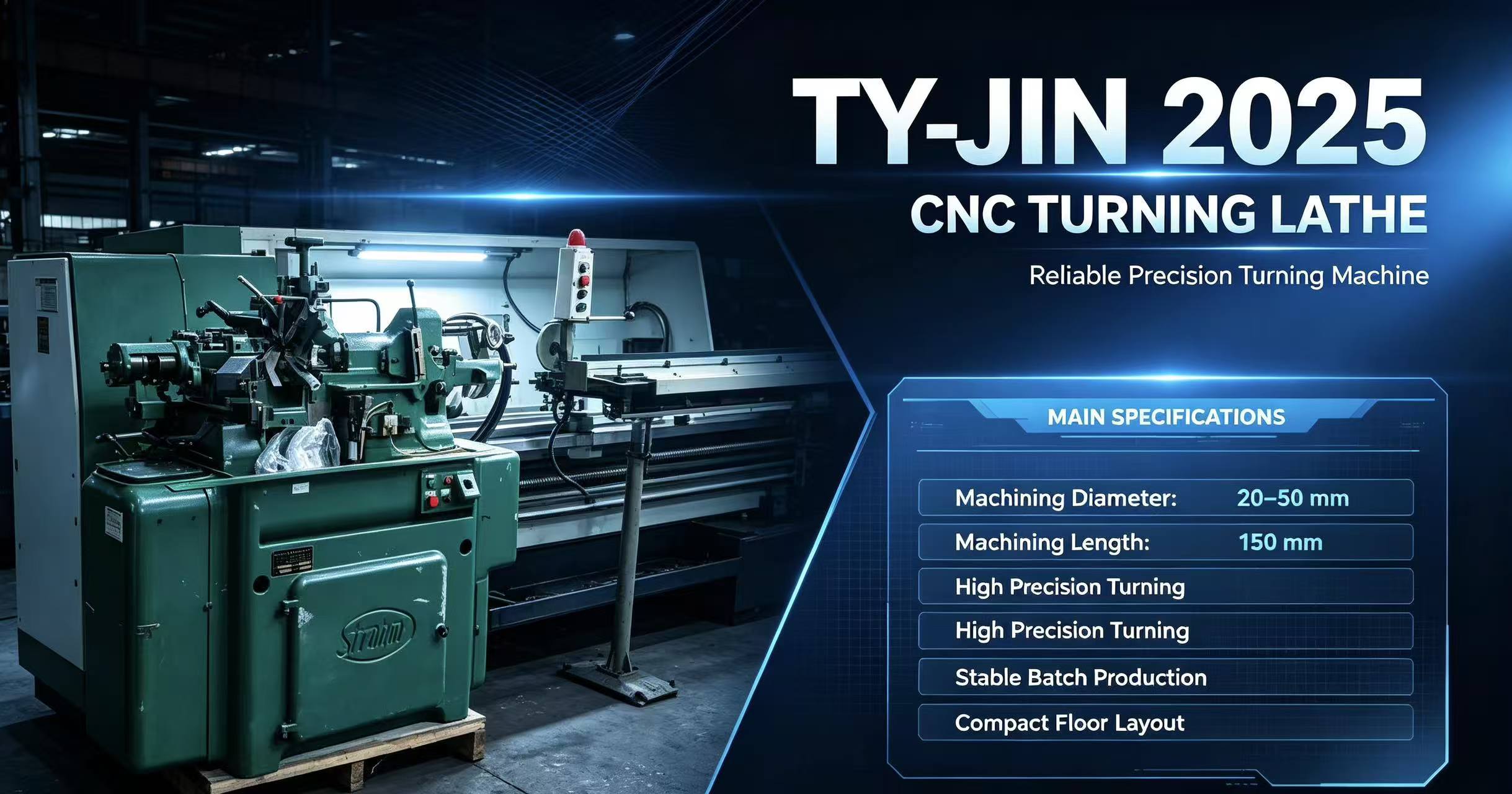
Best Automatic Lathe Machines for Metal ProcessingBest automatic lathe machines for metal processing depend on part geometry, batch size, tolerance, and the buyer’s ability to support the control system. A well-inspected used automatic lathe can deliver strong repeatability and a lower unit cost than a new machine. Choosing an Automatic Lathe Machine type Best fit Typical capability Main risk Cam automatic lathe Very high-volume simple parts Fast fixed-cycle turning Limited changeover flexibility CNC turning center Mixed batches and complex profiles Turning, drilling, threading Control and turret repair cost Swiss-type CNC lathe Long, small-diameter precision parts Guide bushing and live tools Guide-bushing wear affects accuracy For shafts, fittings, fasteners, bushings, and hydraulic components, prioritize bar capacity, spindle bore, tool stations, chip evacuation, and automation compatibility. Swiss-type machines are usually the strongest choice for slender parts where deflection control matters. Accuracy, Life, and Inspection A maintained CNC automatic lathe commonly retains useful production accuracy for many years, but calendar age is less important than spindle hours, crash history, lubrication quality, and preventive service records. Check actual test cuts rather than relying only on nameplate specifications. Inspection point Acceptance focus Selection impact Spindle Noise, heat, vibration, runout Surface finish and bearing cost Axes and ballscrews Backlash, repeat positioning, smooth travel Diameter and length consistency Turret and tools Indexing accuracy, clamp force, live-tool noise Cycle reliability Hydraulics and lubrication Leaks, pressure stability, oil delivery Service life and downtime Control system Alarms, backup, drives, screen condition Parts availability and recovery risk Common faults include spindle-bearing noise, turret misindexing, axis backlash, hydraulic leakage, bar-feeder synchronization errors, and obsolete drives. Require a cold start, continuous cycle test, sample-part measurement, and a recorded alarm history. FAQ Which machine is best for small precision parts? A Swiss-type CNC lathe is usually best for long, thin, high-volume precision components. Can a used lathe still hold tight tolerances? Yes, when spindle condition, axis repeatability, tooling, and thermal stability pass measured test cuts. What accuracy test should a buyer request? Request spindle runout, axis backlash, repeatability data, and measured samples produced from the target material. What faults create the highest repair risk? Spindle bearings, obsolete CNC drives, turret assemblies, and damaged ballscrews usually create the largest unplanned cost. Are China suppliers suitable for export projects? Yes, provided they demonstrate export experience, compliant packing, clear documents, spare-parts support, and defined after-sales service. Conclusion Match machine architecture to the part, verify condition with live tests, and price future support alongside purchase cost. Contact a reliable Chinese supplier for an inspected machine list and a current quotation.
-
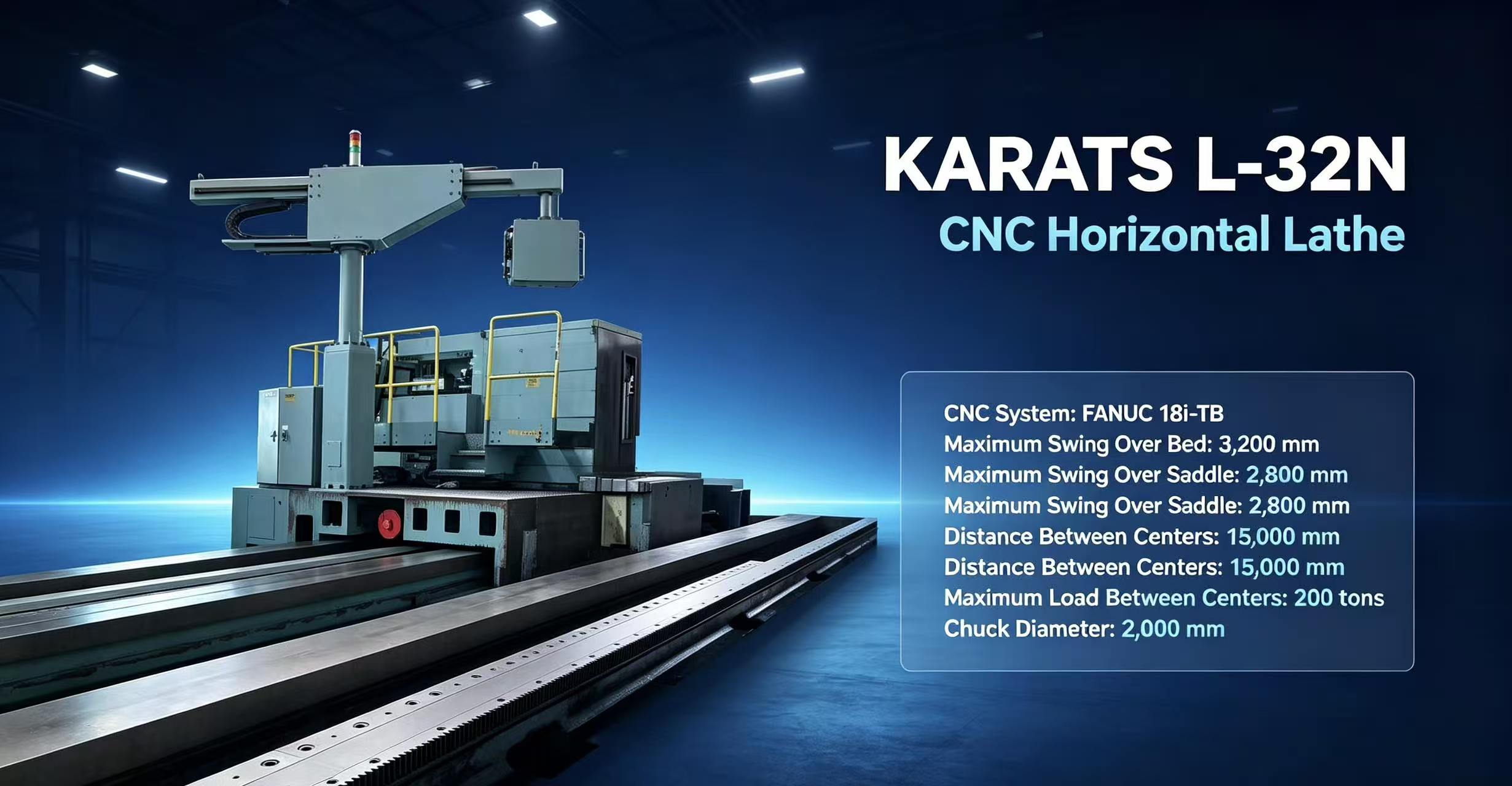
Industries That Use Automatic CNC Lathe MachinesAutomatic CNC lathe machines support high-volume turned parts where repeatability, cycle time, and unattended running determine unit cost. They are widely used for shafts, pins, fittings, fasteners, bushings, and precision connectors. Core Industries and Part Requirements Industry Typical Parts Key Requirement Automotive Sensor bodies, pins, valve parts Stable batch accuracy and traceability Medical Implant components, instrument fittings Fine finish and burr control Electronics Connectors, terminals, camera rings Small-diameter precision Hydraulics Fittings, sleeves, valve spools Concentricity and sealing surfaces Aerospace Fasteners, lightweight alloy parts Material control and inspection records Machine Selection and Accuracy Retention Swiss-type automatic lathes suit long, slender workpieces and complex small parts; turret lathes are more economical for larger diameters and general production. A well-maintained used machine can retain practical production accuracy, but condition matters more than its nameplate year. Machine Type Best Fit Selection Risk Swiss-type Small, long precision parts Guide bushing and spindle wear Turret CNC lathe General turned components Turret indexing error Cam automatic lathe Very high-volume simple parts Limited changeover flexibility Inspection Before Purchase Checkpoint What to Verify Test cut Diameter stability, taper, roundness, surface finish Spindle Noise, heat, vibration, runout Axes and ballscrews Backlash, repeat positioning, lubrication Control system Alarm history, program operation, backup availability Tooling system Collets, holders, live tools, availability of replacements Common faults include spindle-bearing noise, hydraulic leakage, worn collets, servo alarms, and unstable bar feeding. Service life is extended by clean coolant, scheduled lubrication, correct bar stock, and prompt replacement of worn guide bushings and seals. FAQ Which industry benefits most from automatic CNC lathes? Automotive, electronics, medical, and hydraulics benefit most where many identical precision parts are required. Can a used automatic lathe still hold tight tolerances? Yes, after a test cut confirms spindle condition, axis repeatability, and thermal stability. What is the main risk in a low-priced machine? Hidden wear, obsolete controls, and unavailable parts can exceed the initial savings. How should buyers verify machine condition remotely? Request a live video test cut, measurement report, alarm screen check, and detailed machine serial information. Are spare parts available from Chinese suppliers? Reliable suppliers stock common consumables and can source compatible electrical, hydraulic, and tooling parts. Conclusion Select the machine by part geometry, required tolerance, service support, and verified condition, not price alone. Request a current quote and inspection package from a reliable Chinese supplier with export and spare-parts capability.
-
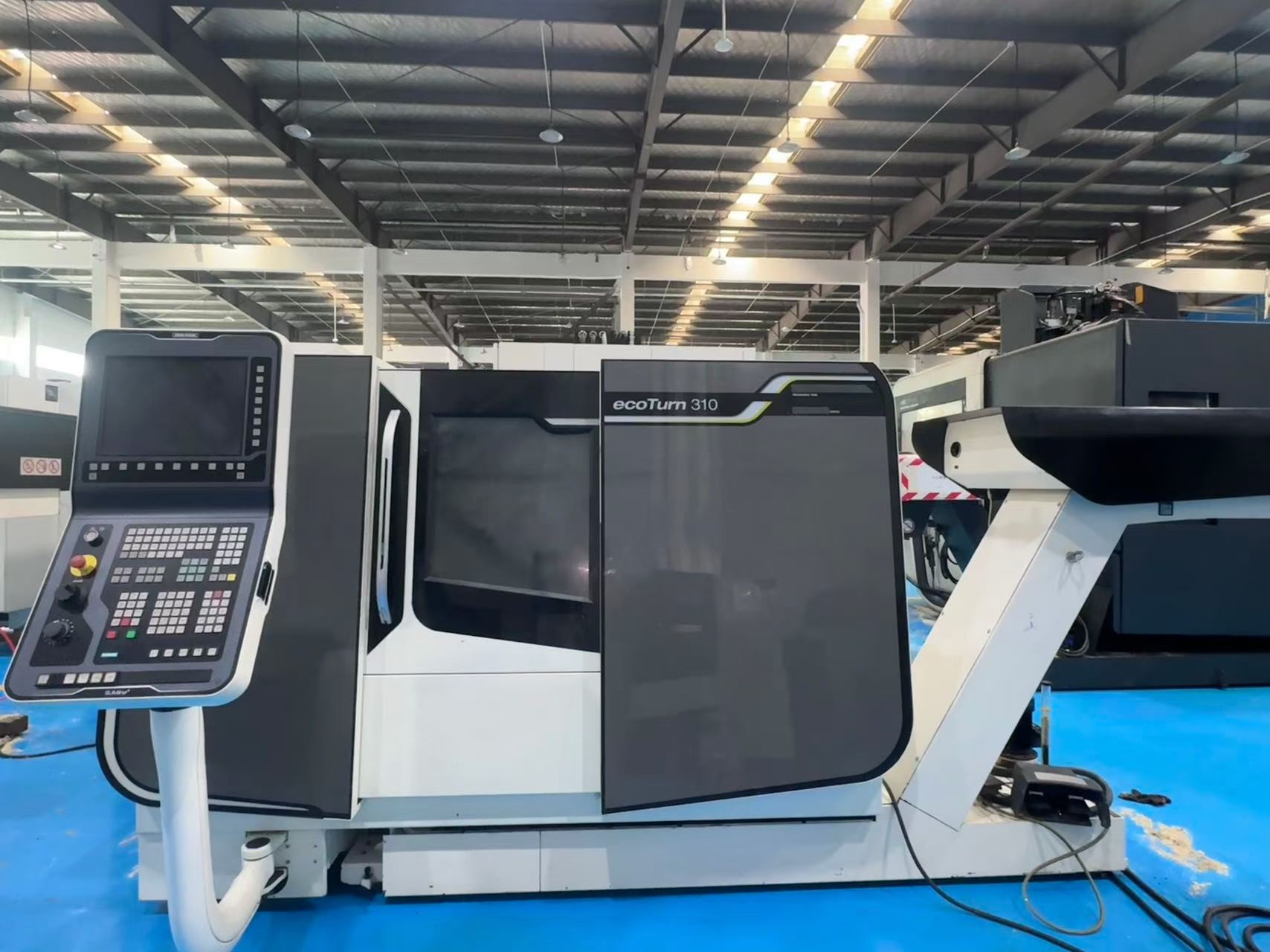
What Is an Automatic Lathe Machine Used For?Automatic lathe machines produce repeated turned parts with minimal operator intervention. They are used where cycle time, consistency, and low piece cost matter more than one-off flexibility. Primary Uses and Suitable Parts Cam-type automatic lathes suit high-volume simple parts; CNC automatic lathes handle more complex geometry, short-to-medium batches, and faster changeovers. Typical work includes shafts, pins, bushings, threaded fittings, connectors, screws, and small hydraulic or automotive components. Machine type Best use Typical risk Single-spindle cam automatic Very high-volume standard parts Cam wear and limited flexibility Multi-spindle automatic Maximum output for small parts Complex setup and costly repair CNC automatic lathe Precision mixed batches and complex profiles Control, servo, or hydraulic faults Accuracy, Service Life, and Fault Control A sound used machine can retain practical production accuracy when its bed, spindle bearings, collets, slides, and feed system are maintained. Check actual sample parts rather than relying only on nameplate tolerance. Well-serviced mechanical machines often remain productive for 15–25 years; CNC life depends heavily on spindle hours, control support, lubrication discipline, and crash history. Inspection point What to check Selection implication Spindle Noise, heat, radial runout Bearings may require major expense Slides and bed Backlash, scoring, taper on test cut Wear reduces repeatability Hydraulics/pneumatics Leaks, pressure stability, clamping Causes inconsistent cycle operation Electrical/control Alarms, cabinet condition, backup files Obsolete components increase downtime Practical Purchase Checks Run the machine through a full automatic cycle and verify safety interlocks. Measure runout, backlash, surface finish, and dimensional repeatability on a test part. Confirm bar capacity, tooling availability, power specification, and installation footprint. Request maintenance records, serial number verification, video inspection, and a spare-parts list. Used-Machine Cost Guide Category Indicative used price Best buyer Cam automatic lathe US$3,000–15,000 Standard fastener producers Multi-spindle automatic US$15,000–80,000 High-output component factories CNC automatic lathe US$12,000–70,000 Precision subcontractors Price varies with brand, age, condition, tooling, control generation, and overhaul status. A low purchase price can be false economy when commissioning, retrofit, or unavailable parts are ignored. Why Source From China Experienced China-based suppliers can offer broad used inventory, competitive export pricing, pre-shipment testing, crating, documentation, and consolidated shipping. Prefer suppliers able to provide applicable CE or other requested compliance documents, condition reports, remote troubleshooting, commissioning guidance, and stocked consumables such as collets, belts, seals, sensors, and electrical parts. FAQ What is an automatic lathe mainly used for? It efficiently manufactures repetitive round or bar-fed parts such as pins, fittings, screws, and shafts. Can a used automatic lathe still hold precision? Yes, when spindle condition, slide wear, alignment, lubrication, and test-cut results are acceptable. Which faults are most common? Spindle-bearing noise, slide backlash, hydraulic leaks, worn collets, electrical failures, and CNC alarm issues are common. Is a cam machine or CNC machine better? Choose cam machines for stable, very high-volume parts; choose CNC for frequent changes or complex dimensions. What documents should an exporter provide? Request specifications, test video, inspection report, packing list, export documents, and available certification records. Are spare parts available for older machines? Wear parts are often available, but confirm control and proprietary mechanical parts before ordering. Choose a reliable Chinese supplier that proves machine condition, export capability, and parts support. Request a current quote with test results and delivery terms.
-
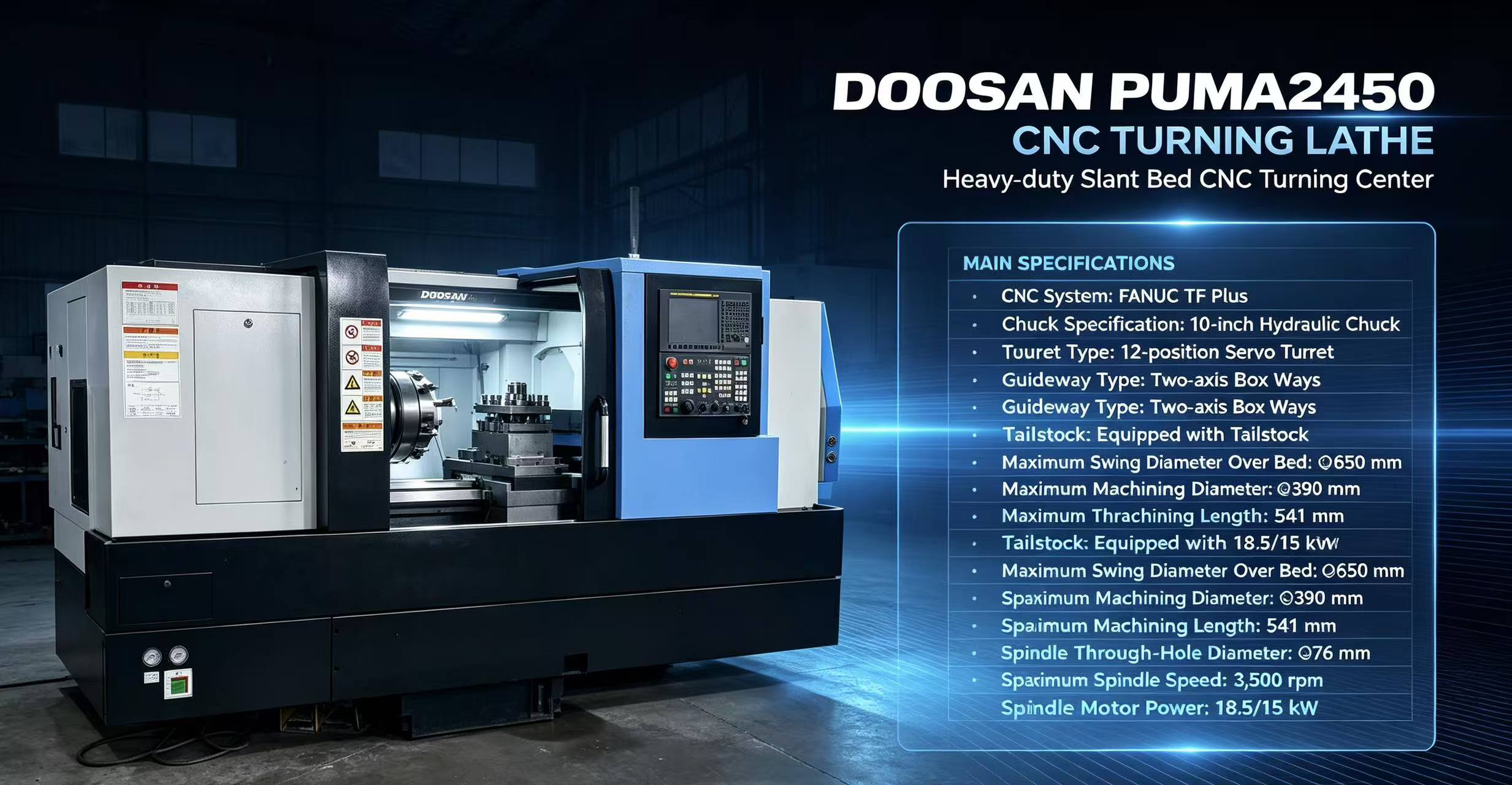
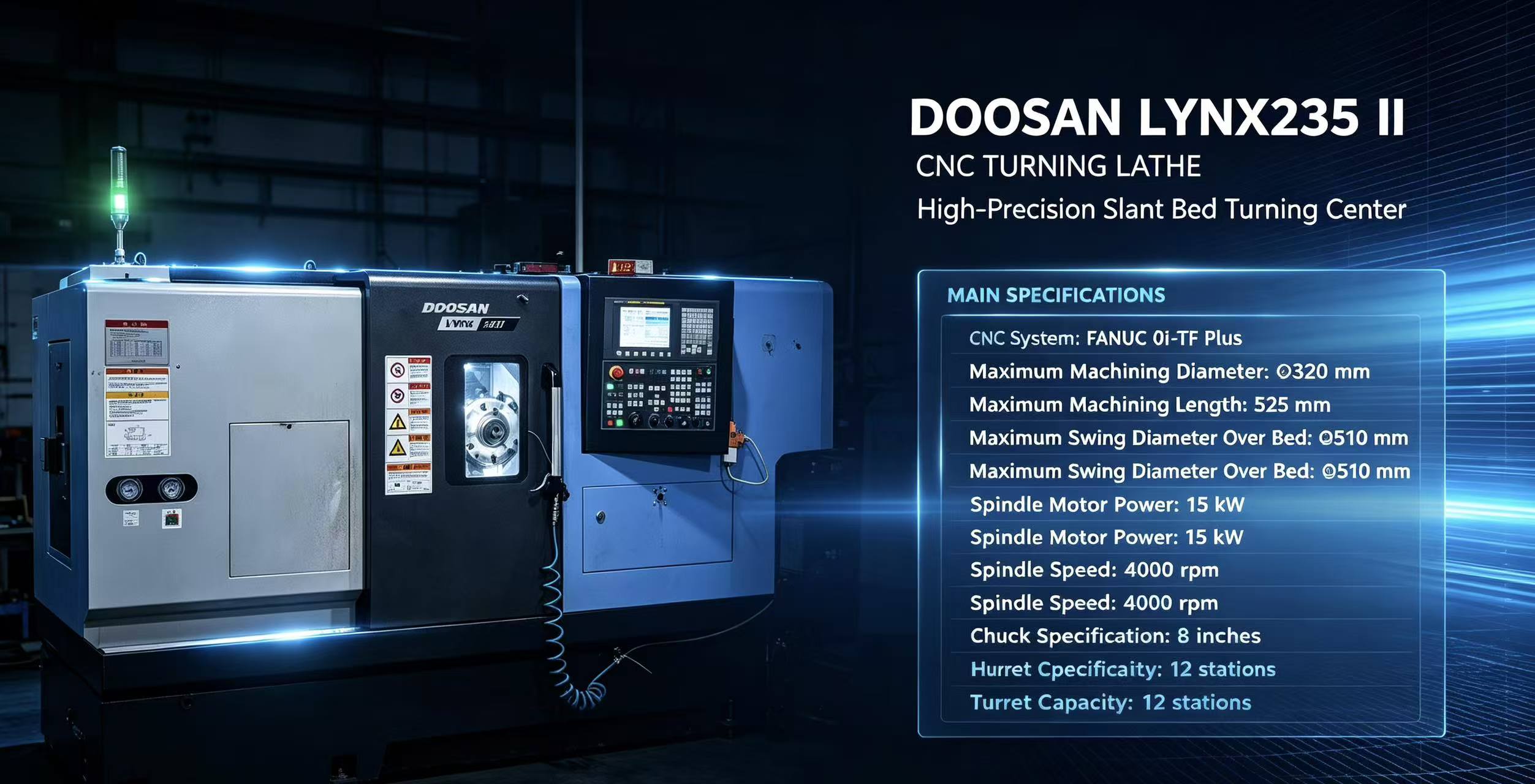
Why Buy Used Automatic Lathe Machines from China?China is a practical sourcing market for used automatic lathes because buyers can access broad inventory, competitive refurbishment costs, and export-capable support. The value depends on disciplined inspection, not simply the lowest offer. Why Source Used Automatic Lathes from China? Chinese suppliers commonly stock cam-operated, Swiss-type, and CNC automatic lathes from domestic, Japanese, Taiwanese, and European brands. Export specialists can arrange crating, sea freight documentation, pre-shipment testing, and remote commissioning support. A properly rebuilt unit can provide 5–10 further years of productive service for standard precision parts. Machine type Typical used price Best use Selection risk Cam automatic lathe US$3,000–12,000 High-volume simple turned parts Cam and clutch wear Entry CNC lathe US$8,000–25,000 Flexible small batches Control or drive obsolescence Swiss-type CNC lathe US$18,000–70,000 Long, small precision parts Guide bushing and sub-spindle condition Accuracy, Life, and Common Faults Accuracy retention is governed by spindle bearing condition, bedway wear, ball-screw backlash, turret repeatability, and thermal stability. For a sound used CNC machine, practical repeatability should be verified against the supplier’s stated specification; do not rely on a static dial reading alone. Common faults include spindle noise, hydraulic leakage, lubrication alarms, worn collets, unstable servo drives, and intermittent encoder errors. Pre-Purchase Inspection Checklist Check Acceptable evidence Running test Video of cold start, speed changes, and automatic cycle Test part Measured diameter, runout, surface finish, and repeatability Mechanical condition No abnormal spindle vibration; controlled backlash and turret play Control system Alarm history, backup files, electrical cabinet photos Service history Repair records, replaced parts, and inspection report China Supplier Value and Risk Control Established China-based suppliers offer cost performance through local sourcing and refurbishment labor, often at 30–60% below comparable new equipment. Prioritize suppliers with export records, quality-management certification, clear machine serial records, acceptance testing, multilingual manuals, and defined after-sales response. Confirm availability and lead time for bearings, collets, belts, seals, drives, and control boards before payment. Cost item Used China supply New-equipment alternative Initial investment Lower Higher Delivery flexibility Stock-dependent, often fast Factory lead time Warranty scope Usually limited, negotiate clearly Usually broader Technology life Must verify controls and parts Current platform FAQ Are used automatic lathes from China reliable? They can be reliable when inspected under load, supplied with test results, and supported with service parts. How much accuracy loss is acceptable? It depends on the workpiece tolerance; require a machined sample and repeatability test matching your production need. Should I buy refurbished or as-is? Refurbished machines reduce startup risk, while as-is units suit buyers with in-house maintenance capability. What certifications matter? Supplier quality-management certification, export documentation capability, and applicable electrical compliance records are useful checks. Which spare parts should be ordered first? Order wear items such as collets, belts, seals, filters, sensors, and critical control backups with the machine. Can a supplier provide remote support? Export-oriented suppliers should offer video troubleshooting, wiring diagrams, parameter backups, and spare-parts identification. Buy on Verified Condition, Not Price Alone Request a live inspection, test-cut report, parts list, and written after-sales terms. Contact a reliable Chinese supplier for current stock and a quotation matched to your part size, tolerance, and output target.
-
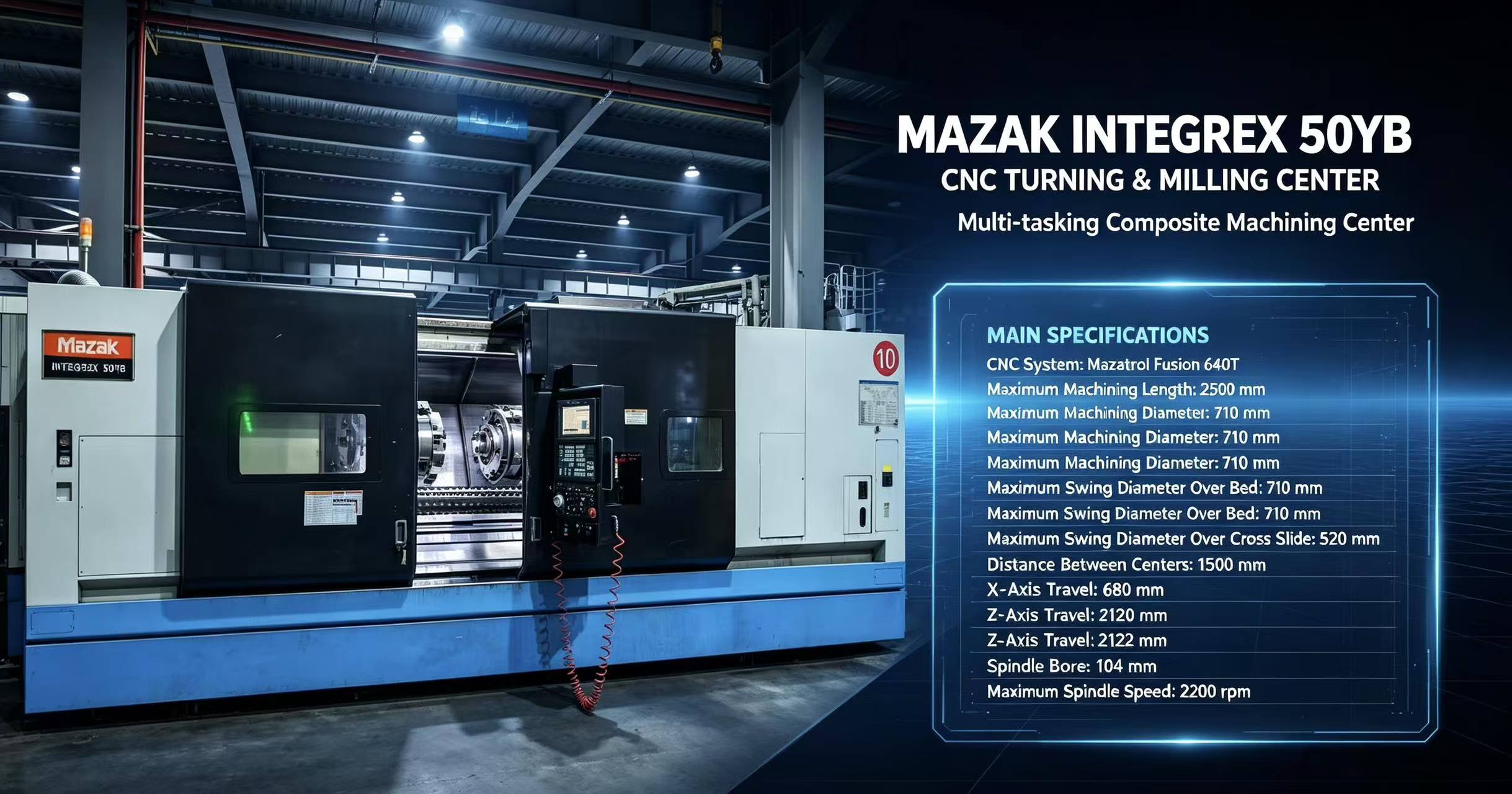
Why More Manufacturers Choose Used Automatic LathesUsed automatic lathes are gaining attention because they can deliver repeatable small-part production at a lower capital cost than new equipment. For manufacturers facing short lead times, labor pressure, and mixed-volume orders, a properly inspected machine can be a productive bridge between manual turning and a new CNC investment. Why Used Automatic Lathes Make Business Sense Factor Used Automatic Lathe New CNC Lathe Typical purchase cost US$4,000–25,000 US$30,000–120,000+ Delivery Often available from stock Usually longer lead time Best fit High-volume simple turned parts Complex, flexible components Payback potential Fast when utilization is high Depends on programming and volume Cam-operated and bar-fed automatic lathes remain efficient for pins, screws, bushes, nipples, fittings, and similar rotational parts. Their mechanical cycle is stable, and an experienced operator can maintain high output with limited programming effort. Accuracy, Service Life, and Selection Risks A quality used machine can retain practical production accuracy when its spindle bearings, slides, collets, cams, and feed mechanisms are in sound condition. Typical achievable tolerance depends on the model, tooling, material, and maintenance history; do not accept a claimed tolerance without a sample-cut test. Condition Item What to Check Risk if Ignored Spindle Runout, heat, bearing noise Poor concentricity and finish Slides and guides Backlash, scoring, lubrication Size variation and taper Feed and cam system Wear, indexing, cycle consistency Unstable production rate Electrical system Motors, controls, safety devices Downtime and retrofit cost Bar feeder and collets Compatibility and gripping repeatability Material jams and scrap Common Faults and Inspection Priorities Check for spindle vibration, oil leakage, worn clutches, damaged gears, and inconsistent automatic stopping. Run the machine through a complete cycle at working speed, not only at idle. Measure several sample parts for diameter, length, runout, surface finish, and repeatability. Confirm the availability of manuals, wiring diagrams, tooling, change gears, and maintenance records. Value of a China-Based Supplier Established Chinese machine-tool suppliers can offer strong cost performance through broad sourcing networks, refurbishment capability, export packing, and consolidated shipping. Prefer suppliers with documented export experience, quality-control reports, recognized certification, remote troubleshooting, and stocked wear parts such as bearings, belts, seals, switches, collets, and electrical components. Supplier Service Decision Value Pre-shipment test video Confirms operating condition before payment Inspection report Supports condition and accuracy assessment Export-grade packing Reduces transit damage risk Spare-parts support Improves long-term uptime FAQ Are used automatic lathes accurate enough for production? Yes, when wear is controlled and sample parts meet the required tolerance consistently. How long can a used automatic lathe last? With regular lubrication, alignment checks, and timely replacement of wear parts, a sound machine can remain useful for many years. What is the biggest buying risk? Hidden wear in the spindle, slides, and automatic feed system can create expensive downtime or inaccurate parts. Should I choose a cam automatic lathe or CNC lathe? Choose a cam machine for stable, high-volume simple parts; choose CNC for frequent changeovers or complex geometry. What should be included in a supplier quotation? Include machine condition, test results, tooling, spare parts, packing, delivery terms, warranty scope, and after-sales response. Can a Chinese supplier provide international support? Reliable exporters provide technical documents, remote assistance, parts shipment, and clear pre-shipment testing procedures. Used automatic lathes can reduce investment while protecting output when condition, tooling, and support are verified. Contact a reliable Chinese supplier for an inspection report and current quotation matched to your part diameter, material, and output target.
-
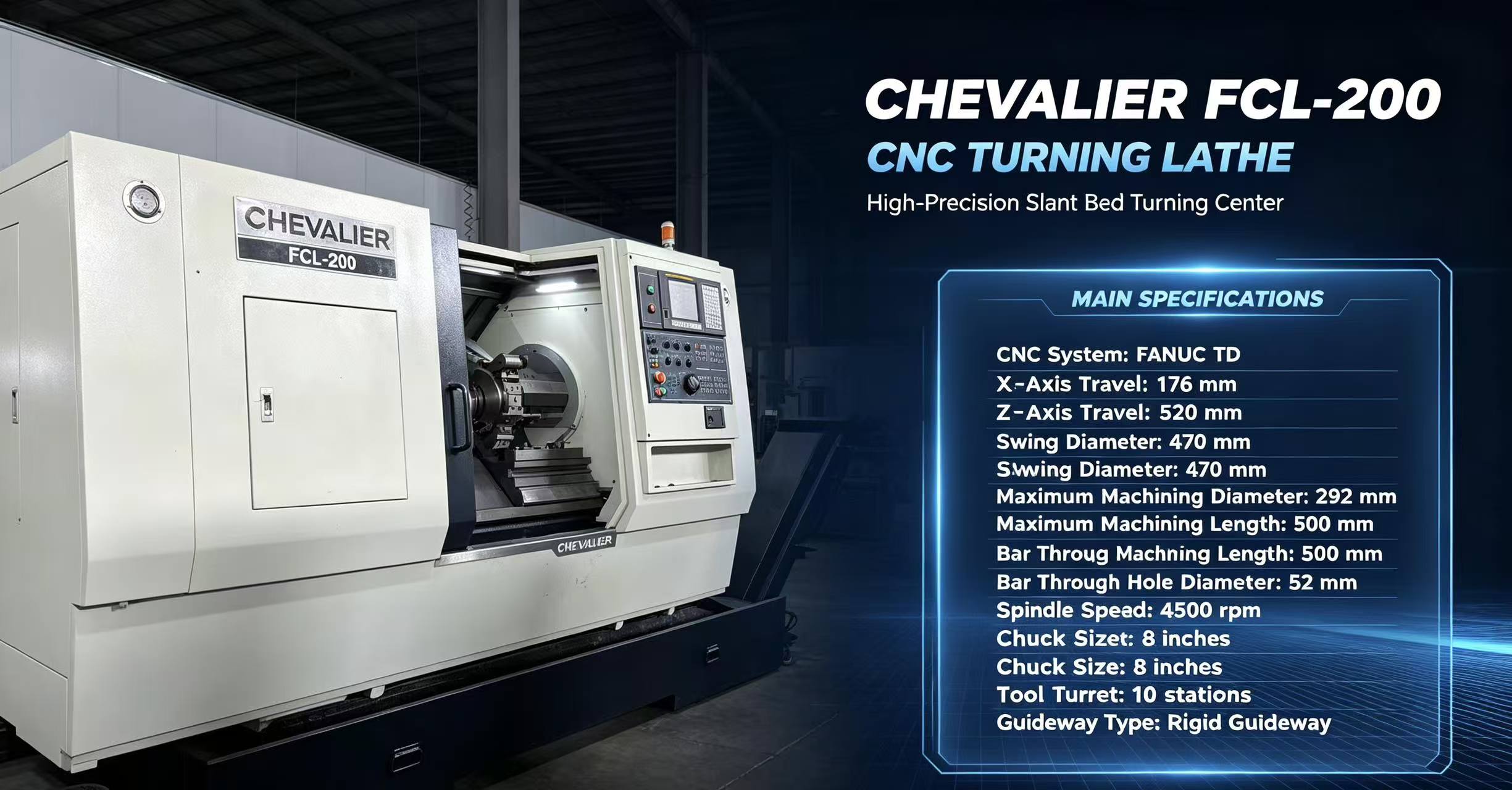
Best Brands of Used Automatic Lathe MachinesChoosing the best brands of used automatic lathe machines requires more than comparing nameplates. Condition, control support, spindle hours, and local service capability determine whether a low-cost machine becomes a productive asset or an expensive repair project. Leading Used Automatic Lathe Brands Brand group Typical strength Used-machine risk Japanese precision brands Stable accuracy, rigid construction, reliable bar feeding Older controls and costly proprietary parts Swiss-type specialists Small complex parts, close tolerances, high output Guide bushing and live-tool wear European multi-spindle brands High-volume turned components Complex cam, clutch, and indexing repairs Chinese export brands Competitive acquisition cost and accessible parts Supplier quality and commissioning capability vary Accuracy, Service Life, and Fault Patterns A well-maintained automatic lathe can retain useful production accuracy for 15 to 25 years. For general parts, repeatability near 0.01 mm may be adequate; medical, electronics, and precision hydraulic work often needs tighter verified results. Do not accept a specification sheet as proof: request test-cut records on the intended material. Condition item What to inspect Decision impact Spindle Runout, noise, temperature, vibration Bearing replacement can be substantial Slides and ballscrews Backlash, stick-slip, uneven wear Directly affects diameter and repeatability Control and drives Alarms, backup files, cycle test Obsolete boards increase downtime risk Bar feeder Alignment, remnant handling, safety interlocks Controls unattended production reliability Selection and Cost Guide Machine type Typical used price Best application Single-spindle automatic US$8,000–35,000 Simple fittings, pins, fasteners Used CNC turning center US$15,000–70,000 Flexible batches and shafts Swiss-type automatic lathe US$30,000–150,000 Small precision and long slender parts Multi-spindle automatic US$25,000–180,000 Large-volume repeat orders Why Source from China Established China-based suppliers can combine export packing experience, competitive pricing, pre-shipment inspection, and practical support for controls, tooling, and spare parts. Prioritize suppliers able to provide machine serial records, operating video, certification documents where applicable, electrical drawings, warranty terms, and stocked consumables. Confirm remote troubleshooting response time and availability of spindle, drive, sensor, and hydraulic parts before payment. FAQ Which used automatic lathe brand is best? The best choice is the brand with proven condition, available service, and capability matched to your part family. How can accuracy be verified before purchase? Review cold and warm test cuts, spindle runout readings, backlash data, and measured sample parts. What is the most common hidden fault? Worn bearings, slide backlash, obsolete electronics, and poorly maintained bar feeders are frequent hidden costs. Should a buyer choose cam-type or CNC automatic lathes? Choose cam-type machines for stable, very high-volume simple parts; choose CNC for frequent changeovers or complex geometry. What documents should a Chinese supplier provide? Request photos, videos, serial information, inspection reports, packing details, parts lists, and after-sales terms. Are low-price machines always a good value? No. Add freight, tooling, electrical conversion, repairs, commissioning, and expected downtime to the purchase price. Conclusion Buy on verified mechanical condition and supportability, not brand reputation alone. Contact a reliable Chinese supplier for current inventory, inspection evidence, spare-parts confirmation, and a current quote.
-
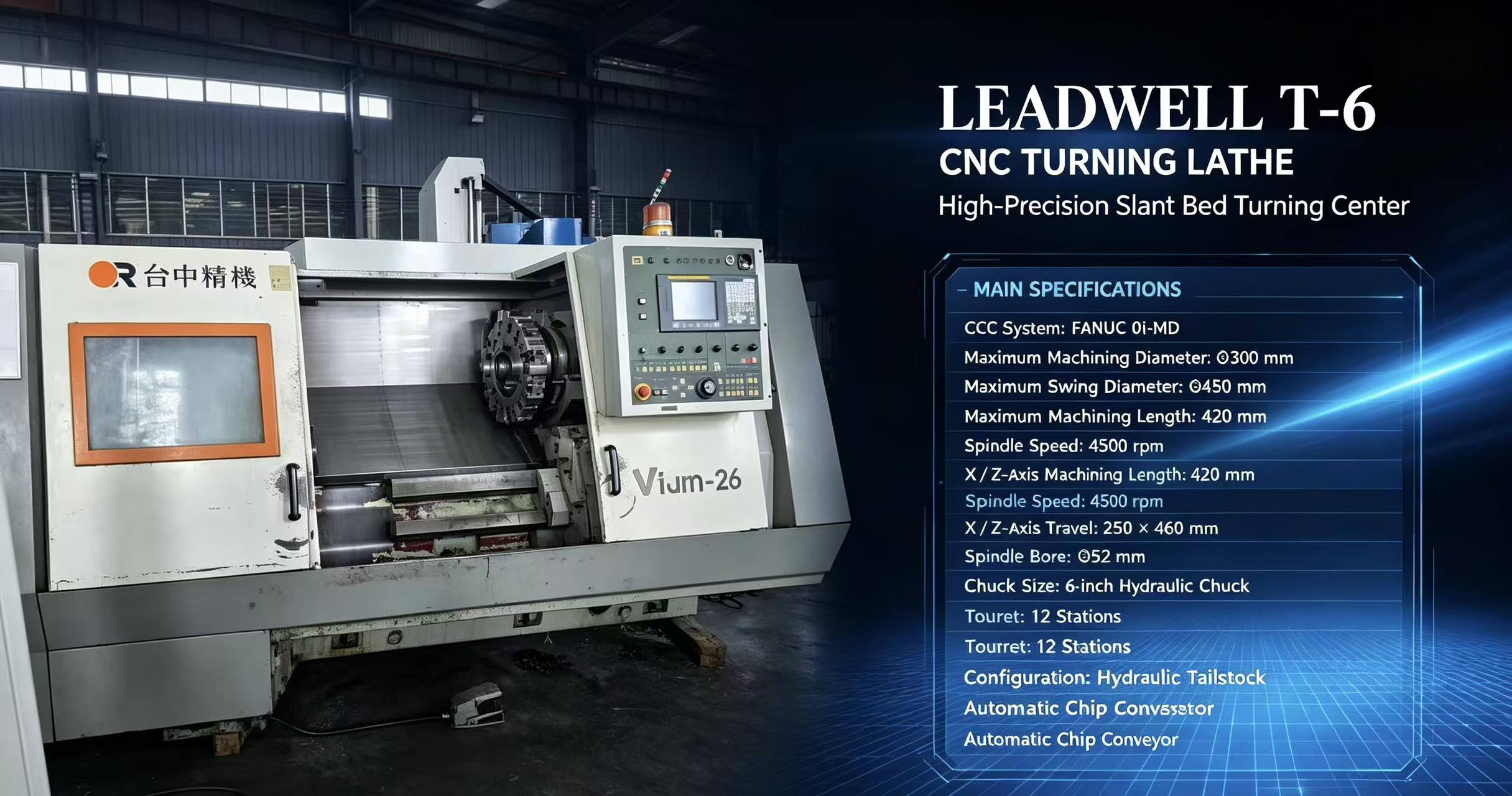
How to Inspect a Used Automatic Lathe MachineInspecting a used automatic lathe requires more than checking whether the spindle runs. Accuracy retention, remaining service life, control condition, and parts availability determine the machine's real value. Use the following procedure before signing a purchase order. Inspection Priorities Area What to check Warning sign Spindle Noise, vibration, temperature, runout, and bearing play Rumbling sound, heat, or unstable runout Guideways and slides Wear at the working zone, backlash, lubrication, and repeatability Visible scoring or inconsistent positioning Turret and tooling Indexing accuracy, clamping, holders, collets, and bar feeder Missed indexing or excessive tool movement Control and electrics Alarms, battery, drives, motors, wiring, and program storage Obsolete control or unavailable drive units Practical Test Procedure Verify the nameplate, serial number, year, specifications, maintenance history, and operating hours. Run the spindle through low, medium, and maximum speeds. Record noise, vibration, current, and temperature. Check chuck or collet runout with a calibrated indicator. Cut a test piece and measure diameter, roundness, taper, and surface finish. Repeat positioning and tool indexing several times after warm-up. A machine that is accurate cold but drifts when warm may have thermal or bearing problems. Inspect hydraulic, pneumatic, coolant, lubrication, chip removal, and bar-feeding systems under load. Why Consider a Chinese Supplier An experienced China-based supplier can offer strong cost performance, refurbished equipment, export documentation, remote commissioning, and replacement parts at competitive cost. Prefer suppliers with verified overseas deliveries, quality-system certification, clear machine identity, video testing, and a documented after-sales process. Confirm spare-part lead times for controls, motors, sensors, collets, belts, and hydraulic components. Inspection Checklist Document or test Required evidence Accuracy Fresh test-cut dimensions and repeatability data Condition Current videos, photographs, alarm history, and service records Transaction Serial-number match, packing list, warranty, and acceptance terms Frequently Asked Questions How accurate should a used automatic lathe be? Judge it against the required part tolerance. Test-cut results and repeatability are more useful than the original brochure specification. How long can a used machine continue operating? A maintained machine may deliver many more years, but spindle bearings, guideways, electronics, and lubrication quality are the main life limits. What is the most common fault? Typical faults include worn collets, hydraulic leaks, lubrication blockage, spindle-bearing noise, encoder errors, and aging control components. Should I buy a machine without a test cut? Only with substantial risk protection. Require a video test, independent inspection, or acceptance clause tied to measurable accuracy. What should I ask a Chinese supplier? Ask for export references, certification, machine history, spare-part availability, warranty coverage, and the complete delivered-cost quotation. Use a measured inspection process and compare total ownership cost, not just the machine price. Contact a reliable Chinese supplier for a verified test report and a current quotation matched to your production requirements.
-
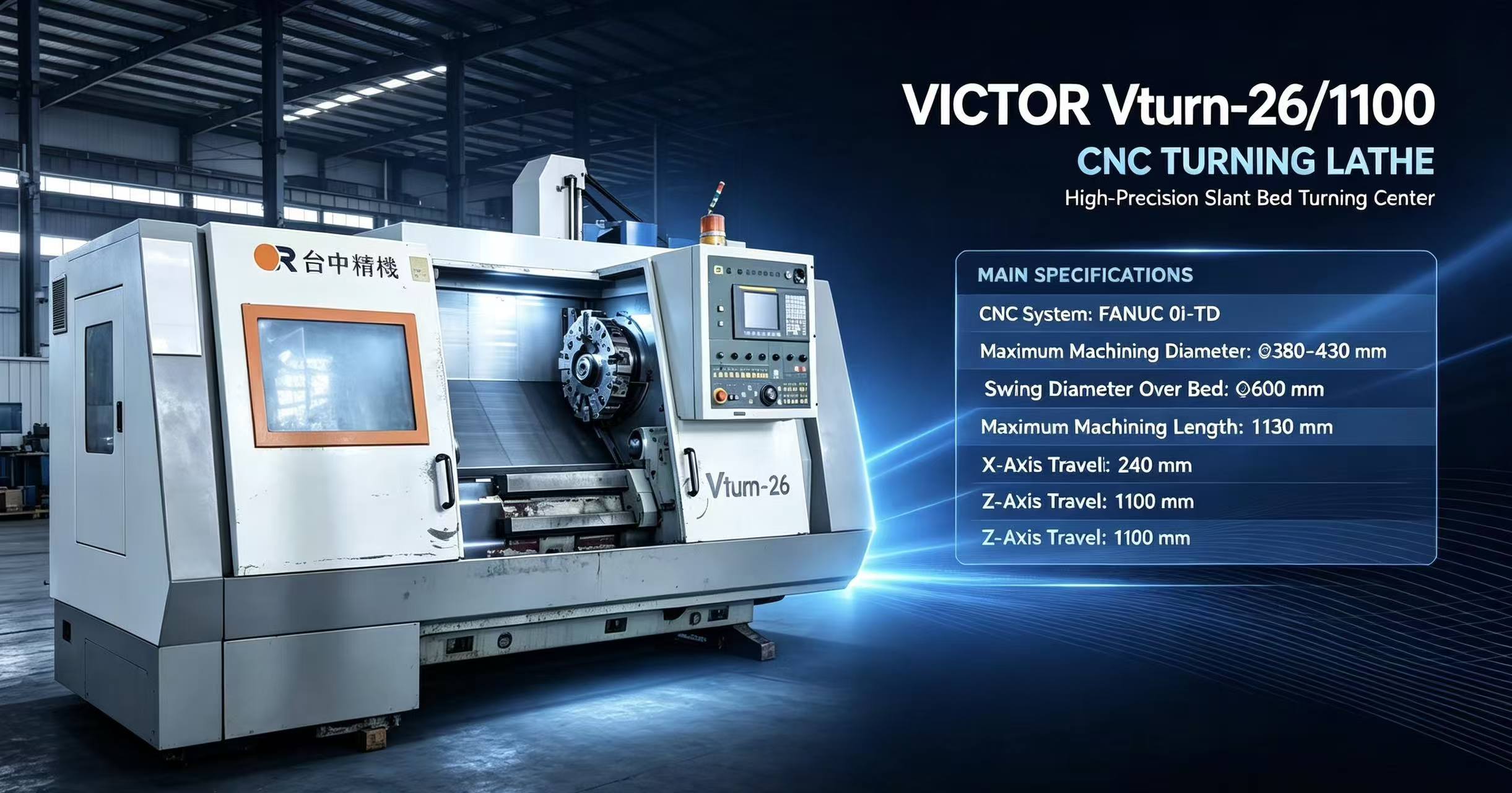
What to Check Before Buying a Used Automatic LatheBuying a used automatic lathe can reduce capital cost substantially, but the saving disappears if wear, undocumented repairs, or obsolete controls limit production. A structured inspection should confirm repeatable accuracy, remaining service life, and supportability before deposit. What to Check Before Buying a Used Automatic Lathe Accuracy and Mechanical Condition Run a warm machine through representative bar work, then measure several consecutive parts. Check spindle runout, axial play, turret or cam indexing repeatability, slide backlash, and surface finish. A machine that makes one acceptable sample but drifts after warming may have spindle-bearing, ball-screw, hydraulic, or lubrication issues. Inspection point Practical check Selection risk Spindle Measure runout and listen at low and high speed Bearings, taper damage, chatter Slides and feeds Check backlash, stick-slip, and repeat positioning Worn ways or ball screws Turret or cam system Cycle repeatedly under load Indexing errors and crashes Lubrication Verify pressure, lines, and delivery points Accelerated guideway wear Service Life, Faults, and Documentation Ask for maintenance logs, repair invoices, operating hours, and a crash history. Common faults include hydraulic leaks, clogged coolant lines, worn collets and guide bushes, unstable electrical relays, servo alarms, and aging control displays. Inspect the electrical cabinet for heat marks, modified wiring, and unavailable drive modules. Mechanical cam automatics can be durable and economical for high-volume simple parts; CNC automatic lathes provide faster changeovers but require verified control, software, and servo support. Machine type Best fit Main advantage Key risk Cam automatic lathe Stable, high-volume parts Low unit cost Cam and tooling availability CNC automatic lathe Mixed parts and shorter runs Flexible programming Control and servo obsolescence Swiss-type lathe Long, small precision parts Guide-bush support Higher setup complexity Budget and Supplier Due Diligence Condition level Typical relative cost Expected action As-is 40–60% of comparable new cost Budget for overhaul and commissioning Tested used 55–75% Request video, inspection report, and trial cut Reconditioned 70–90% Confirm replaced items and warranty scope A capable China-based supplier can provide strong cost performance, export packing experience, customs documentation, certification where required, remote commissioning, and stocked wear parts. Confirm the exact warranty, response time, spare-parts list, manuals, wiring diagrams, and whether a pre-shipment acceptance test is included. FAQ How can accuracy retention be verified? Measure repeated parts after warm-up, not only a single first-off sample. What is the most serious hidden defect? Spindle, guideway, or ball-screw wear because repair cost and downtime are high. Should I buy a machine with an old control? Only when replacement drives, batteries, manuals, and technical support are confirmed. Is a trial cut necessary? Yes. It exposes vibration, indexing, feed, and finish problems better than idle cycling. What spare parts should be ordered first? Collets, guide bushes, seals, filters, sensors, belts, lubrication parts, and critical electrical items. Can a Chinese supplier support export projects? Yes, provided it has documented export references, secure packaging, inspection records, and responsive after-sales service.
-
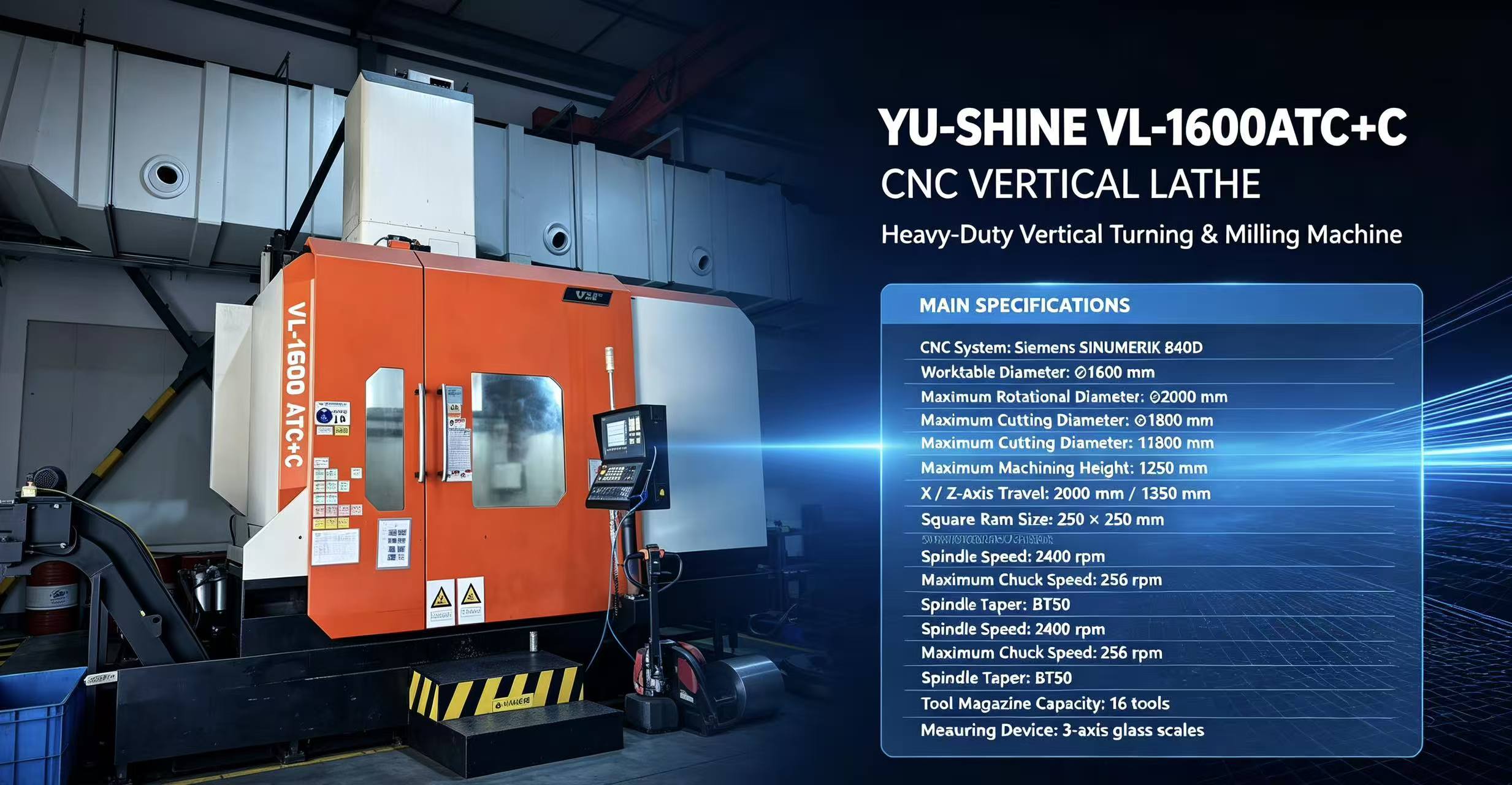
Beginner's Guide to Buying an Automatic CNC LatheAn automatic CNC lathe can raise output and consistency, but a low purchase price may conceal wear, weak support, or unsuitable capacity. First-time buyers should match the machine to parts, tolerances, cycle time, and service resources. Choose the Right Machine Type Type Best for Main Buyer Risk Gang-tool lathe Small, high-volume turned parts Limited tooling travel and bar capacity Turret lathe General shafts, fittings, moderate complexity Turret indexing wear or poor repeatability Swiss-type lathe Long, slender precision components Higher setup skill and guide-bushing cost Accuracy, Service Life, and Inspection A sound used machine can retain productive accuracy for many years when its ways, ballscrews, spindle bearings, lubrication, and control system have been maintained. Ask for machining samples rather than relying on an unloaded demonstration. For ordinary production work, verify that the machine can repeatedly hold the buyer's actual tolerance after warm-up. Inspection Point What to Check Warning Sign Spindle Noise, vibration, taper condition, runout Heat, rumble, unstable finish Axes and ballscrews Backlash, travel smoothness, positioning repeatability Stick-slip, servo alarms, excess lost motion Turret or gang slide Clamp force, indexing, toolholder condition Misindexing or collision marks Hydraulics and lubrication Pressure stability, leaks, oil delivery Low pressure or dry slideways Control and electrical cabinet Alarm history, drives, fans, wiring Obsolete components or intermittent faults Budget Beyond the Purchase Price Machine Condition Typical Price Position Likely Extra Cost New entry-level Highest initial price Tooling, installation, training Refurbished used Usually 40-70% of comparable new cost Freight, commissioning, optional warranty As-is used Lowest initial price Repair risk, downtime, missing accessories Common faults include spindle-bearing noise, encoder errors, worn chuck cylinders, coolant leaks, weak hydraulic clamps, and battery-related parameter loss. Selection risk rises sharply when a seller cannot provide serial-number records, test video, inspection data, or a parts list. Why Source From China-Based Suppliers Established Chinese suppliers can offer strong cost performance through broad used-machine sourcing, refurbishment capability, export packing experience, and access to tooling and replacement parts. Prefer suppliers that provide export documentation, recognized quality or safety certification where required, pre-shipment acceptance testing, remote troubleshooting, commissioning guidance, and stocked consumables or compatible spare parts. FAQ Should a beginner buy new or used? Buy used when the supplier can prove condition and support; buy new when warranty, latest controls, and minimal startup risk outweigh the budget premium. How important is spindle runout? It directly affects roundness, surface finish, and tool life. Measure it at the spindle nose and with a test bar. Can an older control still be practical? Yes, if it is reliable, supported, and familiar to local technicians. Avoid controls with unavailable drives, screens, or batteries. What documents should be requested before payment? Request specifications, serial number, machine photos, running video, inspection report, accessory list, packing plan, and warranty terms. What spare parts should be ordered with the machine? Prioritize filters, belts, seals, collets or jaws, sensors, contactors, fuses, and backup batteries.
-
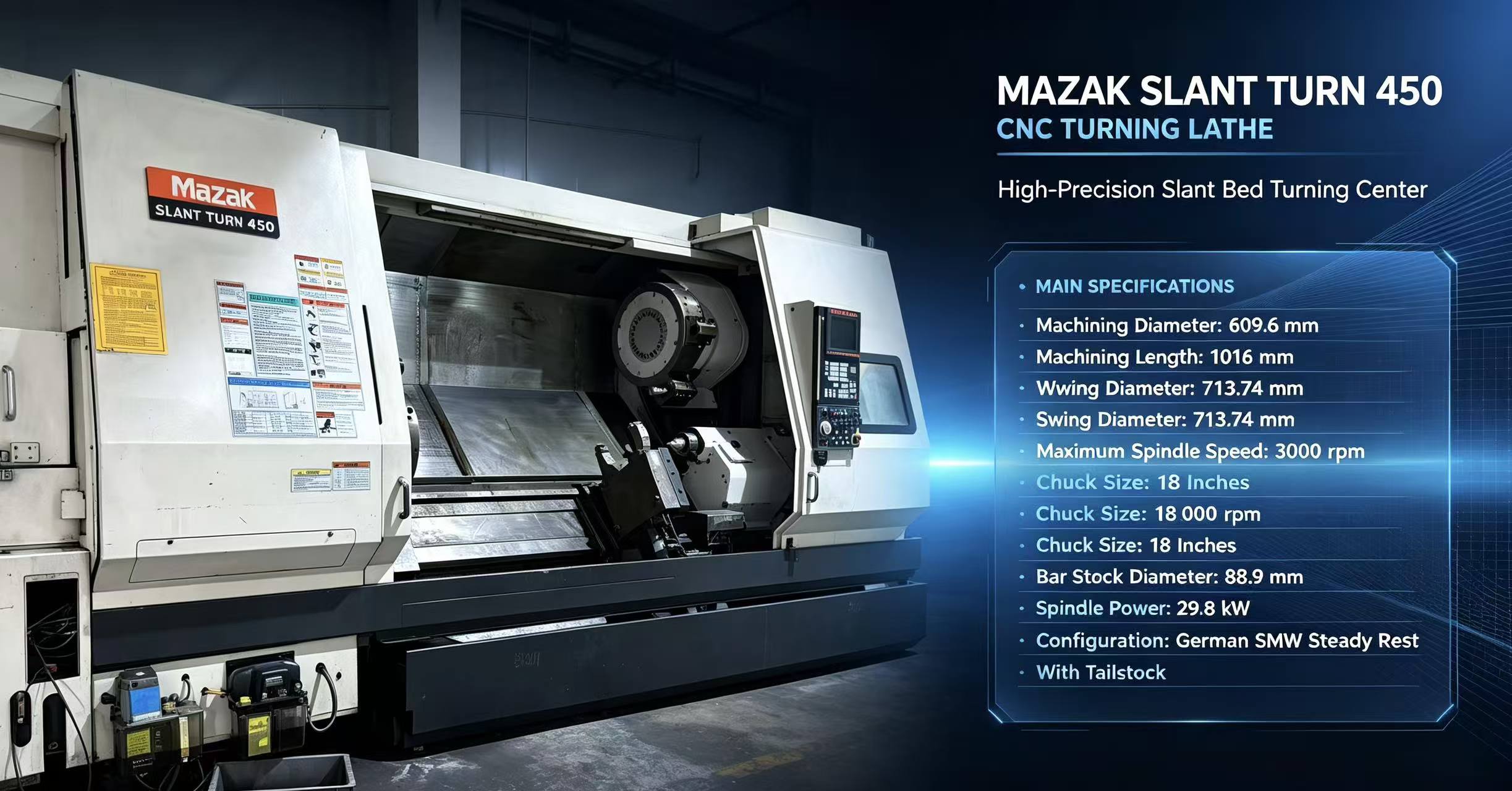
Used Automatic Lathe Machine Buying ChecklistBuying a used automatic lathe requires more than checking the purchase price. Spindle condition, repeatability, controls, documentation, and supplier support determine whether the machine delivers stable production or expensive downtime. 1. Match the Machine to the Job Machine type Best use Main risk Cam automatic lathe High-volume simple parts Limited flexibility and worn cams CNC automatic lathe Mixed batches and complex parts Control, servo, and tooling costs Swiss-type lathe Small, long, high-precision parts Guide bushing and bar-feed wear Confirm bar capacity, spindle speed, number of tools, material compatibility, cycle time, power supply, floor space, and required tolerance before comparing quotations. 2. Price and Total Cost Used machine condition Indicative price Budget allowance Older cam automatic US$3,000–12,000 Refurbishment and tooling Used CNC automatic US$12,000–45,000 Controller, servo, and installation Reconditioned CNC machine US$25,000–80,000 Commissioning and training Prices vary by brand, year, configuration, export condition, and inspection results. Request a landed-cost calculation covering packing, freight, customs, installation, tooling, and spare parts. 3. Inspection Checklist Area What to verify Warning sign Spindle Noise, temperature, runout, taper Vibration or oil leakage Slides and chuck Backlash, smooth travel, clamping Uneven wear or lost repeatability Control and electrics Alarm history, backup, servo response Obsolete parts or random alarms Accuracy Test bar, sample parts, position repeatability Results outside your tolerance Ask for dated videos, serial numbers, maintenance records, test reports, and a live cutting demonstration. Measure accuracy after warm-up, because cold-machine results can be misleading. Check lubrication, hydraulics, coolant, bar feeder, safety interlocks, and included tooling. 4. Service Life and Supplier Value A well-maintained machine may remain productive for 15–25 years, but service life depends on duty cycle, lubrication, operator practice, and replacement history. China-based suppliers can offer strong cost performance through refurbishment, export packing, multilingual documentation, and experience with overseas voltage and customs requirements. Prefer suppliers with demonstrated export records, clear warranty terms, ISO or applicable product certifications, remote troubleshooting, installation guidance, and stocked spare parts such as bearings, belts, sensors, drives, collets, and control boards. FAQ How accurate should a used automatic lathe be? Define the required part tolerance first, then require measured repeatability and sample-part evidence that meet it. Is an older cam lathe still worth buying? Yes, for stable high-volume work when cams, tooling, and mechanical parts are available and wear is documented. What is the most expensive common fault? Spindle, servo drive, controller, and bar-feeder failures often exceed routine mechanical repair costs. Should I buy refurbished or as-is? Refurbished equipment costs more but reduces commissioning risk; as-is equipment requires technical inspection and a repair budget. What should a Chinese supplier provide? Inspection data, export packing, certification documents, warranty terms, spare-parts availability, and responsive after-sales support. How can I compare two quotations fairly? Compare delivered cost, accuracy guarantee, included tooling, installation, training, warranty coverage, and replacement-part lead time. Conclusion Choose the machine by verified production capability and lifetime cost, not the lowest listing price. Contact a reliable Chinese supplier for inspection records and a current quotation based on your parts, tolerance, and delivery destination.
-
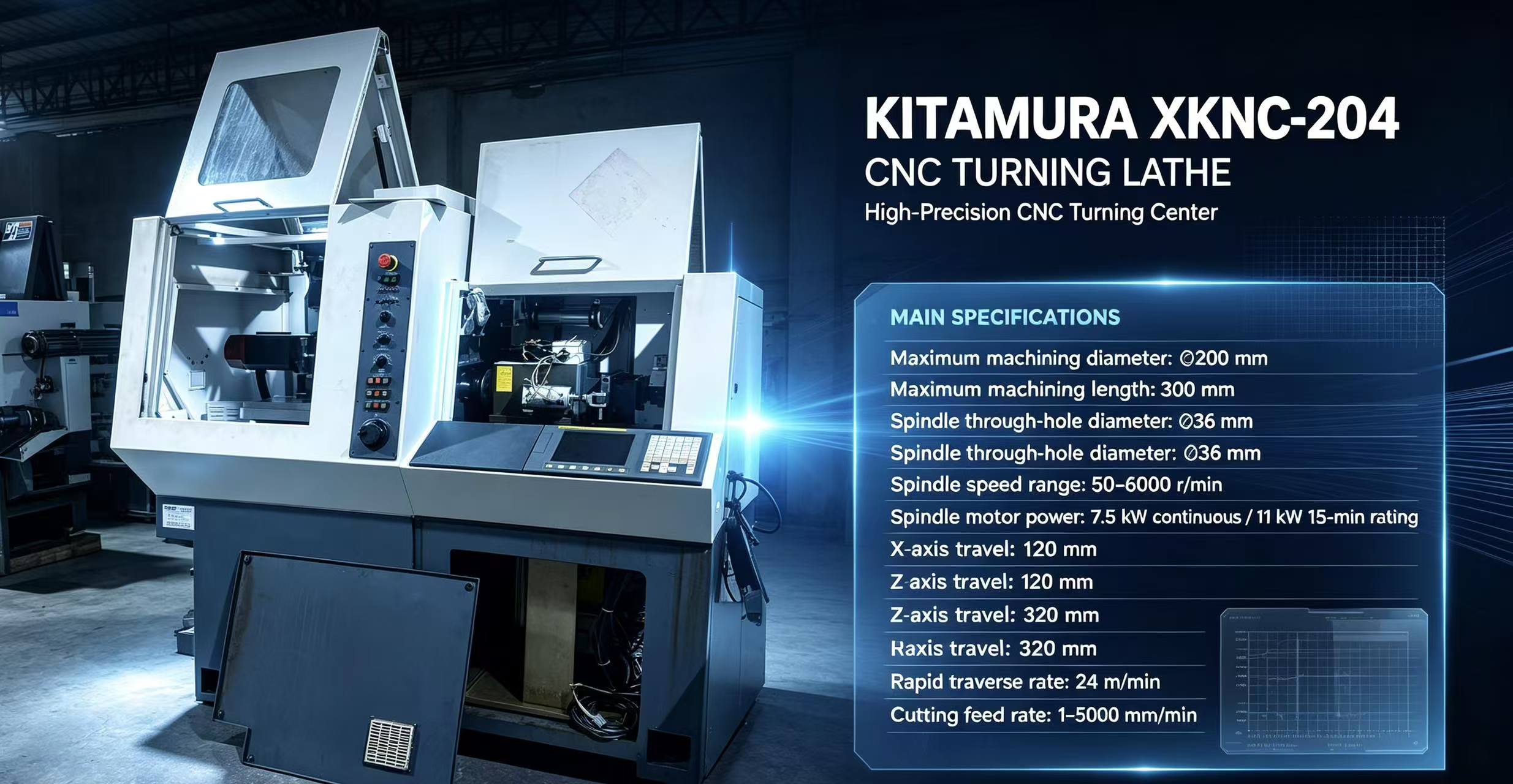
How to Buy a Used Automatic Lathe Machine SafelyBuying a used automatic lathe safely requires more than comparing the asking price. Verify mechanical condition, control support, tooling completeness, and the supplier’s ability to deliver parts and service after export. Key Buying Criteria Accuracy and Remaining Service Life A well-maintained cam-type or CNC automatic lathe can retain productive accuracy for many years, but spindle bearings, guideways, ball screws, collets, and hydraulic units determine its true value. Request recent production samples and test repeatability under operating temperature, not only a cold demonstration. Machine Type Typical Used Price Best Fit Main Risk Cam automatic lathe US$3,000-12,000 High-volume simple parts Worn cams and limited changeover Entry CNC lathe US$8,000-25,000 Flexible turned components Unsupported control or servo faults CNC Swiss-type lathe US$20,000-80,000 Small, complex precision parts High repair cost and missing tooling Inspection Before Payment Check the Machine Under Load Inspection Item What to Check Warning Sign Spindle Noise, runout, heat, speed range Vibration or excessive bearing noise Guideways and slides Backlash, stick-slip, wear marks Lost motion or uneven finish Control system Alarms, program backup, I/O operation Obsolete or locked parameters Hydraulics and lubrication Pressure stability, leaks, automatic oiling Oil contamination or pressure loss Trial cutting Diameter repeatability and surface finish Size drift after warm-up Measure spindle runout, turret indexing repeatability, and X/Z backlash with calibrated instruments. Confirm the machine’s power supply, bar feeder interface, chip conveyor, safety guards, manuals, and tooling list before signing the acceptance record. Selection Risks and China Supplier Value Low-cost machines may hide crash damage, retrofitted controls, unavailable electrical parts, or incomplete accessories. A reliable China-based supplier can reduce total acquisition cost through consolidated sourcing, export packing, inspection video, CE or applicable certification support, and practical commissioning guidance. Cost Element Local Used Source Qualified China Supplier Purchase cost Often higher Usually competitive Pre-shipment inspection Varies Video, reports, trial-cut evidence Spare parts Limited by local stock Collets, sensors, belts, seals, boards After-sales May be informal Remote support and export documentation FAQ What accuracy should a used automatic lathe achieve? It depends on model and condition; verify repeatability and finished-part tolerances using an actual trial cut. Should I buy a machine with an obsolete CNC? Only when parameter backup, electrical documentation, and replacement or retrofit options are confirmed. How can I detect hidden crash damage? Inspect turret faces, tool holders, spindle taper, castings, alarms, and part accuracy at multiple speeds. Are spare parts available for older automatic lathes? Wear items are often available, but verify bearings, collets, sensors, drives, and proprietary boards before purchase. What documents are needed for import? Typically invoice, packing list, bill of lading, origin documentation, and certification records required by the destination market. Is a pre-shipment test necessary? Yes. Require video evidence of startup, axis movement, spindle operation, alarms, and measured trial parts. Conclusion Choose proven accuracy, documented inspection, available parts, and export-capable after-sales support over the lowest headline price. Contact a reliable Chinese used lathe supplier for current stock, inspection records, and a quote.
-
Can a Used Automatic Lathe Machine Match the Performance of a New Machine?A used automatic lathe can match a new machine for many repeat-production jobs when its mechanical condition, control system, and supportability are verified. The decision is not based on age alone; it depends on measured accuracy, duty history, rebuild quality, and the parts being produced. Used Versus New: Practical Performance Factor Qualified Used Automatic Lathe New Machine Typical purchase cost USD 8,000–45,000 USD 30,000–120,000+ Accuracy potential Can hold 0.01–0.03 mm after inspection/setup Typically 0.005–0.015 mm when commissioned Service life 5–15+ years with sound ways, spindle, and maintenance Full design life and warranty baseline Lead time Often available from stock Often requires build and delivery time For shafts, bushes, connectors, screws, fittings, and other stable-volume parts, a properly selected used machine can deliver equivalent cycle-time output. New equipment is usually preferable for ultra-tight tolerances, unmanned production, complex synchronization, or mandatory current-generation controls. Accuracy Retention and Common Risks Accuracy is retained when bedways have limited wear, spindle bearings run quietly and cool, ball screws have controlled backlash, and lubrication has been maintained. A rebuilt machine may be a strong value, but confirm which components were actually replaced rather than relying on repainting. Common Fault Likely Cause Selection Action Taper or poor finish Worn spindle bearings, alignment error Request test cut and spindle runout record Size variation Backlash, loose slides, thermal instability Measure repeat positioning and turret/play Alarm or stoppage Aging drives, sensors, wiring Verify control model and spare availability Oil leakage Seals, hoses, lubrication faults Run machine under load before acceptance Inspection Before Purchase Check Acceptable Evidence Geometry Leveling, alignment, and test-bar results Spindle Runout, noise, temperature, speed test Production trial Sample parts measured across a production run Automation Bar feeder, collet, turret, interlocks cycle reliably Documentation Serial number, maintenance history, electrical diagrams Why Source From an Experienced Chinese Supplier Established China-based suppliers can combine lower acquisition cost with export packing, pre-shipment testing, CE or relevant compliance documentation, remote commissioning guidance, and practical spare-parts supply. Confirm incoterms, inspection video, warranty scope, control-language capability, and delivery of wear parts such as belts, seals, sensors, collets, and bearings. FAQ Can a used automatic lathe hold production tolerances? Yes, when measured geometry and repeatability suit the drawing tolerance; validate with a loaded test cut. What accuracy should buyers expect? Many sound used machines hold 0.01–0.03 mm, but capability varies by model, condition, tooling, and temperature control. Is a rebuilt machine always safer? No. Request an itemized rebuild report, before-and-after measurements, and proof of replaced components. Which failures are most expensive? Spindle failure, obsolete CNC drives, damaged guideways, and major hydraulic or bar-feeder faults usually carry the highest risk. Are Chinese suppliers suitable for export purchases? Yes, provided they have documented export cases, inspection procedures, compliant packing, responsive service staff, and stocked spares. When should I buy new instead? Choose new for very tight tolerances, advanced automation requirements, long warranty needs, or unavailable legacy parts. A used automatic lathe can be a high-return production asset when performance is proven rather than assumed. Contact a reliable Chinese supplier for an inspection report, machine video, spare-parts commitment, and current quote.