
Used Tailift VISE1250 CNC Punch Press
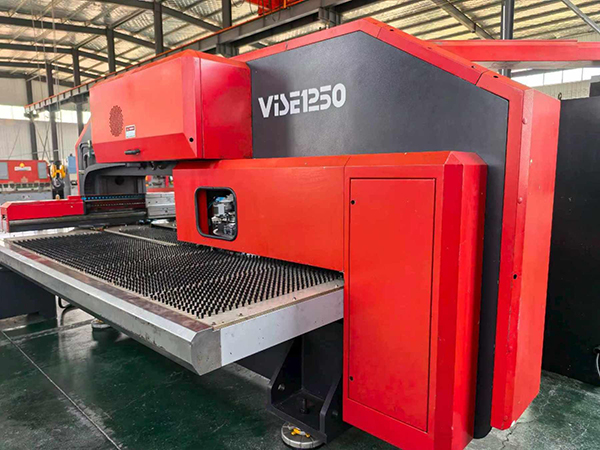 The used Tailift VISE1250 CNC punch press (Stock Number: 68167) is a highly versatile, industrial-grade sheet metal fabrication machine manufactured in Taiwan, China, in 2009. Engineered as a versatile all-rounder, this machine features a robust 1250 x 2500 mm processing size, a 36-station tool capacity, an auto-index rotation speed of 50 rpm, and the industry-standard FANUC Series 0i-PC CNC system. Currently in stock and ready to ship immediately, this machine provides an instant solution for boosting factory capacity. It is an ideal fit for procurement managers and production engineers in the automotive, aerospace, electronics, medical device, and mold-making industries who need a cost-effective, ready-for-inspection asset to handle diverse punching, nibbling, and forming tasks without the long lead times of new equipment.
Core Specifications and What They Mean in Production
Evaluating a used CNC punch press requires a deep understanding of how its technical parameters translate into daily factory output. The Tailift VISE1250 is designed to maximize sheet utilization and minimize downtime. Below is a detailed breakdown of its core specifications and their direct impact on throughput requirements.
| Brand | Tailift |
|---|---|
| Model | VISE1250 |
| Machine Type | CNC Punch Press |
| Stock Number | 68167 |
| Origin | Taiwan, China |
| Year | 2009 |
| Processing Size | 1250 x 2500 mm |
| Tool Capacity | 36 Stations |
| Auto-Index / Turret Speed | 50 rpm |
| CNC System | FANUC Series 0i-PC |
1250 x 2500 mm Processing Size
The 1250 x 2500 mm processing size is a critical specification that directly aligns with standard 4x8 feet sheet metal dimensions. In real production, this means the machine can process full-sized standard sheets without the need for manual repositioning or complex auto-repositioning cycles. For a production manager, this translates to higher nesting efficiency, reduced scrap rates, and faster overall cycle times. Whether you are punching large electrical enclosure panels or nesting hundreds of small automotive brackets on a single sheet, this bed size provides the necessary real estate to maximize material yield and maintain a continuous throughput requirements.
36-Station Tool Capacity
A 36-station turret is the backbone of this machine's "one machine, many applications" flexibility. In a high-mix, low-volume job shop environment, tool changeover time is a major bottleneck. With 36 available stations, tooling engineers can load a comprehensive mix of standard punches (rounds, squares, obrounds) alongside specialized forming tools (louvers, extrusions, knockouts) into the turret simultaneously. This extensive tool capacity means the machine can transition from punching aerospace components to fabricating medical device chassis without stopping for manual tool swaps, drastically increasing daily spindle uptime and overall factory capacity.
FANUC Series 0i-PC CNC System
The integration of the FANUC Series 0i-PC control system provides industrial-grade reliability and precise servo coordination. FANUC is universally recognized in the machining and fabrication sectors, meaning your operators and programmers likely already possess the skills to run this machine, minimizing training delays. In production, this CNC system handles complex G-code for high-speed nibbling, precise hole interpolation, and rapid X/Y axis movements seamlessly. The 0i-PC series is specifically known for its stability in continuous, multi-shift production environments, ensuring that the punch press maintains strict dimensional tolerances across large batches of parts.
50 RPM Auto-Index Rotation Speed
In turret punch presses, the ability to rotate tools to specific angles is crucial for cutting complex contours and angled slots. The 50 rpm rotation speed of the auto-index stations ensures that the tool reaches its programmed angle swiftly between punch strokes. This rapid rotation minimizes the micro-delays that occur during complex nesting programs where angled cuts are frequent. For process engineers, this specification proves that the machine can handle intricate part geometries—such as angled ventilation slots on electronics server racks—without sacrificing the overall output rhythm.
Frequently Asked Questions
More Articles
-
Used Kyori BEAT-40MII High-Speed Stamping PressThe Kyori BEAT-40MII is a high-performance stamping press engineered for precision, high-speed production. Featuring a 400kN (40-ton) capacity and an operating range of 200-800 SPM, this machine is built for demanding, high-volume manufacturing environments. With a 30mm stroke and a compact footprint, it is an ideal solution for scaling the production of intricate electronic components, terminals, and small metal parts. This unit is currently in stock and ready for integration into your production line. Suitable Parts and Typical Industries The Kyori BEAT-40MII is purpose-built for industries requiring high-speed output with tight tolerances. Given its 800 SPM capability and 80mm maximum material width, it is optimized for high-frequency, continuous production cycles rather than heavy structural stamping. Primary Industries: Electronics & Connectors: The high-speed nature of the BEAT series is perfect for stamping delicate connector pins, lead frames, and socket components. Automotive Small Parts: Suitable for high-volume production of small-scale automotive terminals, clips, and sensors. Precision Hardware: Ideal for manufacturers of small springs, contact plates, and intricate fasteners where throughput is the primary driver of profitability. Medical Devices: Capable of meeting the precision requirements for small medical components that demand consistent, repeatable stamping cycles. If your production involves strip-fed material and high-volume runs of small, intricate parts, the BEAT-40MII provides the stability and speed required to maintain high OEE (Overall Equipment Effectiveness). Best-Fit Processes and throughput requirements Understanding the throughput requirements is critical to leveraging the BEAT-40MII effectively. This machine is a "sprinter" in the press room. Key Process Capabilities: High-Speed Progressive Stamping: The 30mm stroke minimizes slide travel time, enabling rapid cycling. This is optimized for progressive dies where multiple operations occur in a single pass. Strip Feeding Efficiency: The machine handles material widths up to 80mm with a feed length of 0-40mm, perfectly suited for the narrow-strip applications common in the electronics industry. Precision Slide Control: The 20mm slide adjustment allows for fine-tuning the bottom dead center (BDC) position—essential when working with thin materials or complex die sets where minor deviations can cause part defects or die damage. The 200-800 SPM range allows production managers to balance speed against tool life. For complex, multi-stage dies, running at the lower end (200-400 SPM) provides stability, while simpler blanking operations can be pushed toward the 800 SPM limit to maximize throughput. what kind of operation this machine fits This is not a general-purpose shop press; it is a specialized asset for high-volume production facilities. You are a prime candidate for this machine if: You are a Tier 2 or Tier 3 Supplier: You supply high volumes of small components to larger automotive or electronics OEMs. You run 24/7 or Multi-Shift Operations: The Kyori BEAT series is built for durability during continuous, round-the-clock operation. You prioritize Throughput: Your current bottleneck is press speed, and you need to increase parts-per-minute (PPM) output. You have a Dedicated Tooling Department: As a high-speed machine, it requires well-maintained, precision-ground progressive dies to perform at peak capacity. Why This Machine Works in These Scenarios The Kyori BEAT-40MII is a strategic investment for boosting capacity without requiring a large floor footprint. The 400kN capacity is the "sweet spot" for small-part stamping—providing enough force to cut, form, and pierce without the energy waste and slower cycle times associated with larger, heavier presses. The 265mm die height is generous for a machine of this class, allowing for the use of complex, multi-station progressive dies. When you combine the 30mm stroke with the ability to maintain 800 SPM, you are looking at a machine that can potentially double the output of a standard 100-200 SPM press in the same production window. Frequently Asked Questions Q: Is this machine suitable for heavy-gauge metal stamping? A: No. The Kyori BEAT-40MII is a high-speed press with a 400kN capacity and a 30mm stroke. It is designed for thin-gauge materials typically used in electronics and small terminals, not for heavy plate or structural steel stamping. Q: Can this machine handle 800 SPM for all types of parts? A: While the machine is rated for up to 800 SPM, actual production speed depends on die complexity, material thickness, and feed requirements. Simple blanking operations can reach these speeds, while complex forming may require a slower rhythm to ensure part quality. Q: What type of tooling is required for this press? A: This press is designed for high-speed progressive dies. Because of the high-speed nature, your tooling must be precision-machined and properly balanced to prevent vibration at high cycle rates. Q: Is this machine available for immediate shipment? A: Yes, this Kyori BEAT-40MII is currently in stock. We encourage prospective buyers to schedule an inspection to verify the machine's condition and functionality before arranging logistics.
-
Used Kyori PDA-F8 80-Ton High-Speed PressThis Kyori PDA-F8 high-speed press (Stock No. 67286) is available for immediate inspection and shipment. Engineered for precision and high-volume output, this 80-ton (800kN) unit features a stroke rate of 150–650 SPM, making it an ideal solution for manufacturers requiring rapid, repetitive stamping cycles. With an 1100 x 800 mm bed and a 30 mm stroke, this machine is purpose-built for progressive die operations, connector manufacturing, and high-speed metal forming. It is ready for evaluation by production teams looking to scale capacity without the long lead times associated with new equipment. Market Availability and Production Value In the current market, lead times for high-speed precision presses often disrupt production schedules. This Kyori PDA-F8 is an in-stock asset, available for immediate technical evaluation. Purchasing this unit allows you to bypass long procurement cycles and integrate a proven, high-speed platform into your stamping lines immediately. The value of this unit lies in its immediate availability and its specific design for high-volume production environments. Unlike general-purpose presses, the PDA-F8 series is built to maintain consistent precision at higher strokes per minute (SPM), ensuring your throughput requirements remains stable while meeting strict part tolerance requirements. Key Specifications and Operational Readiness Reviewing the technical parameters of the Kyori PDA-F8 is essential to determine its fit within your existing production line. Below are the core specifications and their operational impact: Specification Value Production Impact Press Capacity 800 kN (80 Tons) Suitable for medium-force precision stamping. Stroke Length 30 mm Optimized for high-speed, short-stroke applications. Shut Height 360 mm Provides clearance for standard to medium-height progressive dies. Slide Adjustment 50 mm Allows for precise die setup and height compensation. SPM Range 150 - 650 spm High-speed capability for mass production. Bed Size 1100 x 800 mm Accommodates standard progressive die sets. The 150–650 SPM range is the defining feature of this machine. It is designed to handle continuous, high-speed cycles without compromising the structural integrity of the press or the quality of the stamped parts. The 1100 x 800 mm bed provides a stable platform for multi-stage progressive dies, making it a versatile choice for complex, multi-operation stamping tasks. Which Manufacturers Should Consider This Machine? The Kyori PDA-F8 is a versatile, high-performance asset in the high-speed press category. Its design is particularly well-suited for industries that require high-volume, precision output. Consider this machine if your production facility operates in the following sectors: Electronics & Connectors: The high SPM capacity is ideal for the rapid production of lead frames, terminals, and miniature electronic components. Automotive Components: Suitable for small, high-precision parts such as clips, brackets, and electrical contact components. Medical Devices: The precision of the Kyori platform supports the tight tolerances often required in medical metal component manufacturing. General Precision Stamping: Any facility looking to increase throughput for small-to-medium metal parts will benefit from the 650 SPM ceiling. If your current production line is bottlenecked by slower presses, or if you are looking to expand your capacity for high-volume, small-part stamping, this machine offers an immediate, cost-effective upgrade path. Pre-Purchase Inspection Checklist To ensure this machine meets your specific production requirements, we recommend a thorough physical inspection. When evaluating this Kyori PDA-F8, focus on the following mechanical and structural points: Slide and Guide Rails: Inspect for any signs of scoring or uneven wear. Given the high-speed nature of this press (up to 650 SPM), the condition of the slide guides is critical for maintaining part precision. Lubrication System: Check the integrity of the automatic lubrication pump and lines. High-speed presses rely on consistent oil flow to prevent overheating and premature wear. Bed Surface: Examine the bolster plate and bed surface for excessive pitting or damage from die crashes. A clean, flat bed is essential for proper die mounting. Operation at Speed: If power is available, verify the machine runs smoothly through its SPM range (150–650) to ensure the motor and drive system are responsive and stable. Why This Machine is a Strategic Choice The decision to acquire a used high-speed press is often driven by the need for immediate capacity expansion. The Kyori PDA-F8 provides a balance between robust 80-ton force and high-speed cycle times. Because this unit is in stock, it eliminates the "waiting game" of new machine manufacturing. For production managers facing increased order volumes or the need to replace aging, inefficient equipment, this machine represents a reliable, known-entity solution that can be integrated into your production schedule immediately upon delivery. Frequently Asked Questions Q: Is this Kyori PDA-F8 currently available for inspection? A: Yes, this machine (Stock No. 67286) is in stock and available for inspection. Please contact our sales team to arrange a visit to our facility. Q: What type of production is the 150-650 SPM range best suited for? A: This SPM range is designed for high-volume, precision stamping. It is ideal for progressive die work, such as producing electronic connectors, lead frames, and small automotive metal components where speed and repetition are critical. Q: Can this machine handle heavy-duty blanking? A: This machine is rated at 80 tons (800kN). While it is capable of blanking, it is primarily engineered for high-speed, precision operations. We recommend verifying your specific die tonnage requirements against the 80-ton capacity to ensure it fits your application. Q: What is the primary advantage of buying this used Kyori press? A: The primary advantage is immediate availability. You gain access to a capable, high-speed production asset without the long lead times associated with ordering new machinery, allowing you to scale your production capacity quickly.
-
Used AIDA NC2-200(1) PressThe AIDA NC2-200(1) is a high-rigidity, straight-side press engineered for precision metal stamping and forming. Featuring a 200-ton capacity, 150mm stroke, and a generous 1850mm x 650mm bed area, this machine is a reliable workhorse for automotive, appliance, and general metal component manufacturing. Stock Status and Availability This AIDA NC2-200(1) press (Stock #87407) is in stock and ready for immediate purchase. For procurement managers and plant owners, acquiring a pre-owned AIDA unit offers a cost-effective solution to capacity constraints, bypassing the extended lead times associated with new machinery. This machine has been selected for its structural integrity and is ready for a technical audit by your engineering team. available for inspection: We encourage prospective buyers to arrange an on-site visit to verify the machine's condition, test slide movement, and assess the control interface. Contact our team to schedule your inspection. Technical Specifications Reviewing the technical specifications of the AIDA NC2-200(1) is essential to confirm it meets your operational requirements. This press is designed for stability and consistent force application. Specification Details Model AIDA NC2-200(1) Capacity 200 Tons Stroke Length 150 mm Strokes Per Minute (SPM) 35 - 70 SPM Slide Adjustment 110 mm Slide / Bed Area 1850 x 650 mm Origin Japan Production Capabilities: 200-Ton Capacity: Provides the force required for blanking, piercing, and forming medium-gauge steel and non-ferrous metals. 1850 x 650 mm Bed Area: The wide bed accommodates progressive dies and multi-stage tooling, enabling complex part production in a single cycle. 35-70 SPM Speed: This range allows for optimized throughput requirementss, supporting higher throughput for automated lines while maintaining the control necessary for manual feeding. Ideal Industry Applications The AIDA NC2-200(1) is a versatile asset suitable for diverse manufacturing environments. If your facility operates in any of the following sectors, this machine can address your immediate need for reliable stamping capacity: Automotive Tier 2/3 Suppliers: Ideal for brackets, clips, and structural reinforcements. Appliance & Electronics Manufacturers: Suitable for chassis components, heat sinks, and internal housings. Tooling & Mold Shops: Provides the necessary rigidity for die tryout or pilot production runs. General Metal Stamping: Its flexibility makes it an excellent "swing" machine to handle overflow work or dedicated product lines. Pre-Purchase Inspection Checklist When evaluating a used press, we recommend that your maintenance or tooling engineers perform the following checks to ensure the machine aligns with your production standards: Slide Guidance System: Inspect the gibs and guide surfaces for signs of excessive wear or scoring. Smooth slide movement is essential for die longevity. Clutch and Brake Assembly: Verify the engagement and stopping time of the clutch/brake unit. This is critical for operator safety and cycle consistency. Bed and Bolster Condition: Check the bolster plate for significant pitting, heavy scarring, or signs of previous overloading, which can affect part flatness. Lubrication System: Ensure the automatic lubrication system is operational and that there are no signs of oil leakage around the main seals. Why This Machine is a Strategic Asset In the current market, finding a reliable, high-capacity press available for immediate deployment is a significant advantage. The AIDA NC2 series is renowned for its durability and structural rigidity—factors that directly contribute to lower vibration and higher part quality. By investing in this stock unit, you avoid the production bottlenecks caused by waiting for new machine manufacturing cycles. This is an opportunity to scale your stamping operations quickly with a proven, industry-standard machine. Frequently Asked Questions Is the AIDA NC2-200(1) available for inspection? Yes, this machine (Stock #87407) is currently in our inventory and available for on-site inspection. Please contact us to schedule a viewing with your engineering team. What production applications is this 200-ton press suitable for? With 200 tons of capacity and a 1850mm bed, this press is ideal for automotive component stamping, medium-sized progressive die work, appliance manufacturing, and general precision metal forming. How does the stroke rate impact production output? The 35-70 SPM range offers a balance between high-speed production and the control required for complex forming operations, making it highly versatile for various metal stamping cycles. What is the primary benefit of the NC2 series design? The AIDA NC2 series is designed for high rigidity, which minimizes deflection under load. This is crucial for maintaining tight tolerances on stamped parts and extending the life of your expensive tooling.
-
Used SEYI SN2-110 Press: High-Precision 110-Ton Double Crank Press Technical GuideParameter Specification Stock Number 810997 Brand SEYI Model SN2-110 Origin Taiwan Capacity (Tonnage) 110 Ton Stroke Length 180 mm Stroke Speed 35-65 spm Die Height (Shut Height) 400 mm Slide Adjustment 90 mm Slide Area 1430 * 520 mm Bolster Area 1880 * 680 mm 1. Equipment Overview: The Legacy of SEYI SN2 Series The SEYI SN2-110 is a cornerstone of precision in the metal forming world. Manufactured by SEYI in Taiwan, the SEYI SN2 series represents the peak of straight-side, double-crank mechanical press technology. This specific model is engineered for high-rigidity and low-deflection performance, making it an essential asset for modern manufacturing floors. The "Straight Side" design ensures that the frame remains vertically stable even under heavy load, eliminating the 'angular deflection' often seen in C-frame presses. For a used machine under stock number 810997, it offers an incredible opportunity to acquire tier-one industrial technology at a fraction of the cost of a new unit. The SEYI SN2-110 is widely recognized for its vibration-dampening capabilities and its ability to maintain die alignment over millions of cycles, which is why it remains a highly sought-after model in the global used machinery market. 2. Technical Specifications Analysis: Engineering for Productivity Diving into the technical specifications of the SEYI SN2-110 reveals why it is such a versatile workhorse. With a 110-ton capacity, this machine sits at the 'sweet spot' for medium-duty metal stamping. One of its standout features is the stroke length of 180mm. This relatively long stroke allows for greater flexibility in forming parts with deeper draws or using taller die sets. The variable speed range of 35 to 65 strokes per minute (spm) allows production managers to optimize the cycle rate based on material flow characteristics and tooling requirements. A slower spm is ideal for complex forming where material needs time to flow, while the upper limit of 65 spm provides high throughput for simple blanking operations. Working Envelope and Precision Adjustments The workspace provided by the SEYI SN2-110 is exceptional for its class. The bolster area measures a significant 1880 * 680 mm, providing ample room for progressive dies that require long feed lengths. Furthermore, the slide area of 1430 * 520 mm ensures that the downward force is distributed across a wide surface, minimizing tool wear. With a shut height of 400mm and a slide adjustment of 90mm, operators can quickly swap between different tool heights, reducing downtime during setup. The motorized slide adjustment is typically a standard feature on these models, allowing for micron-level precision in setting the die penetration depth, which is critical for maintaining part quality in high-tolerance applications. 3. Application Scenarios: From Automotive to Appliance Manufacturing The SEYI SN2-110 is specifically designed to handle eccentric loads, a common challenge in progressive die stamping. In the automotive sector, this machine is frequently used for stamping internal reinforcement brackets, seating components, and small-to-medium body panels. Because the force is applied through two points (the double crank), the slide remains parallel to the bolster even if the stamping force is not perfectly centered. This makes it ideal for producing complex electronic enclosures, computer chassis components, and domestic appliance parts where aesthetic finish and structural integrity are paramount. Its large bed size also accommodates auxiliary equipment like transfer units or scrap conveyors, making it a perfect candidate for a fully automated production cell. 4. Investment Value: The ROI of a Used SEYI Press Investing in a used SEYI SN2-110 offers a compelling financial case for manufacturers looking to expand their capacity without the heavy capital expenditure of a brand-new machine. Taiwan-made presses like SEYI offer a superior balance between the ultra-premium Japanese brands and the entry-level machines found elsewhere. They provide 95% of the precision at a significantly lower price point. When purchasing used, the initial depreciation has already occurred, meaning the machine retains its value well should you choose to upgrade in the future. Additionally, SEYI’s global presence means that spare parts, technical documentation, and service technicians are readily available, ensuring that your machine stays operational and minimizes costly downtime. 5. Frequently Asked Questions (FAQ) Q1: Can the SEYI SN2-110 handle progressive die operations? Yes, the double-crank design is specifically built for progressive dies. It resists tipping moments better than single-point presses, ensuring uniform pressure across the entire die length. Q2: What is the main advantage of the 'Straight Side' frame? The straight-side frame provides superior rigidity and significantly less deflection than C-frame presses, which extends tool life and improves part accuracy. Q3: Is the stroke speed adjustable? Yes, it features a variable speed drive allowing for a range of 35 to 65 strokes per minute, which can be tuned to match your production needs. Q4: What safety features are typical on this model? The SEYI SN2-110 usually comes equipped with Hydraulic Overload Protection (HOLP), dual-hand safety buttons, and light curtains to protect the operator and the machinery. Q5: How easy is it to find spare parts for a Taiwan-made SEYI? Very easy. SEYI is one of the world's largest press manufacturers with a vast distribution network, ensuring that parts like seals, switches, and gears are always available.


