-
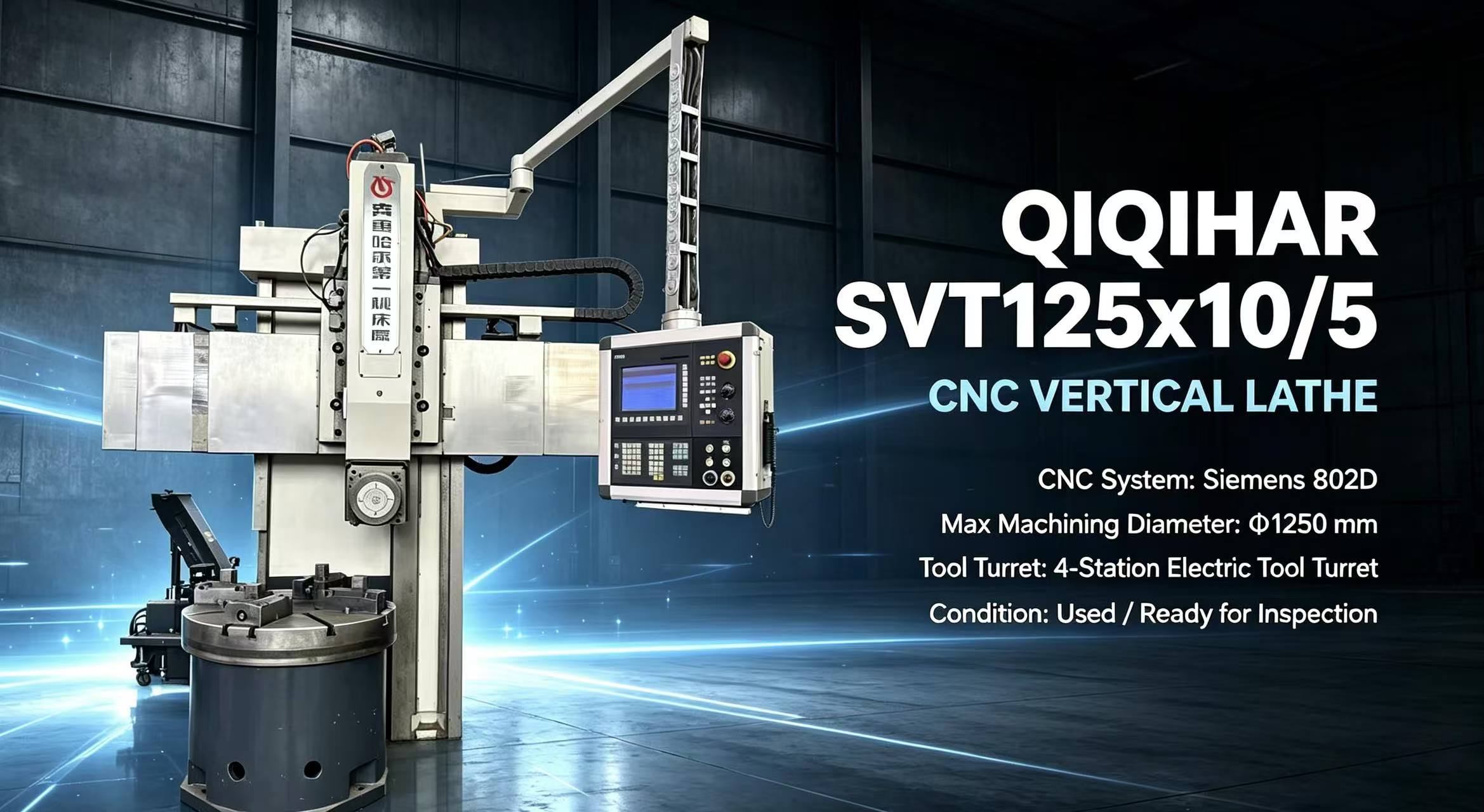
Which Automatic Lathe Brand Has the Lowest Maintenance Cost?For automatic lathes, the brand with the lowest maintenance cost is rarely determined by purchase price alone. Total cost depends on machine age, control system, spindle condition, local service, spare-parts availability, and whether the machine suits the production cycle. A well-inspected used Japanese or Swiss automatic lathe can cost less to maintain than a neglected low-price machine from any brand. Maintenance Cost by Machine Type Machine type Typical used price Maintenance profile Best fit Cam automatic lathe US$2,000–12,000 Low electronic cost; mechanical adjustment is frequent High-volume simple parts Used CNC turning lathe US$8,000–45,000 Moderate cost; control, turret, and spindle condition matter Mixed batches Used Swiss-type CNC lathe US$15,000–90,000 Higher precision-service cost; excellent for small diameters Medical, electronics, precision parts Japanese brands often provide strong accuracy retention and mature documentation. Swiss brands can deliver outstanding service life and repeatability, but proprietary parts and specialist technicians may increase repair cost. Chinese machines usually offer better initial cost performance and simpler access to current replacement parts, especially when purchased from an experienced exporter. What Controls Long-Term Cost? Accuracy retention: Check guideways, ballscrews, spindle runout, chuck repeatability, and thermal drift. A practical used-machine target is often 0.01–0.03 mm positioning deviation, subject to model specifications. Common faults: Watch for hydraulic leaks, unstable lubrication, servo alarms, worn turrets, noisy bearings, encoder errors, and backlash. Cosmetic repainting does not correct these risks. Service life: Review operating hours, maintenance records, retrofit history, and actual test cuts. A maintained older machine may outperform a lightly used but poorly stored machine. Supplier value: Confirm export experience, packing standards, electrical conversion, factory acceptance testing, certificates, remote diagnosis, installation guidance, warranty terms, and spare-parts stock. Inspection Checklist Inspection item Acceptance evidence Cost risk if ignored Spindle Runout report, temperature test, cutting sample Bearing or motor replacement Axis and turret Laser or indicator test, repeatability record Scrap and rework Control system Alarm-free operation and backup data Obsolete electronics Parts and support Part numbers, lead times, service contacts Long downtime Frequently Asked Questions Which automatic lathe brand has the lowest maintenance cost? Usually the brand with strong local parts support, proven reliability, and a condition verified by testing. Brand alone is not decisive. Are Chinese automatic lathes cheaper to maintain? They can be, because current parts and technical support are often more accessible and the purchase price is lower. Is a used Japanese machine still economical? Yes, when spindle, guideways, control, and service records are verified before purchase. How can I reduce downtime? Buy a machine with documented inspection, spare-parts availability, remote support, and operator training. Should I choose cam or CNC? Choose cam for stable, high-volume simple parts; choose CNC for flexibility, complex geometry, and faster product changeover. Conclusion The lowest-maintenance choice is a correctly matched, accurately inspected machine backed by reliable parts and service. Contact an experienced Chinese supplier for export references, a test-cut report, and a current quotation based on your material, tolerance, and production volume.
-
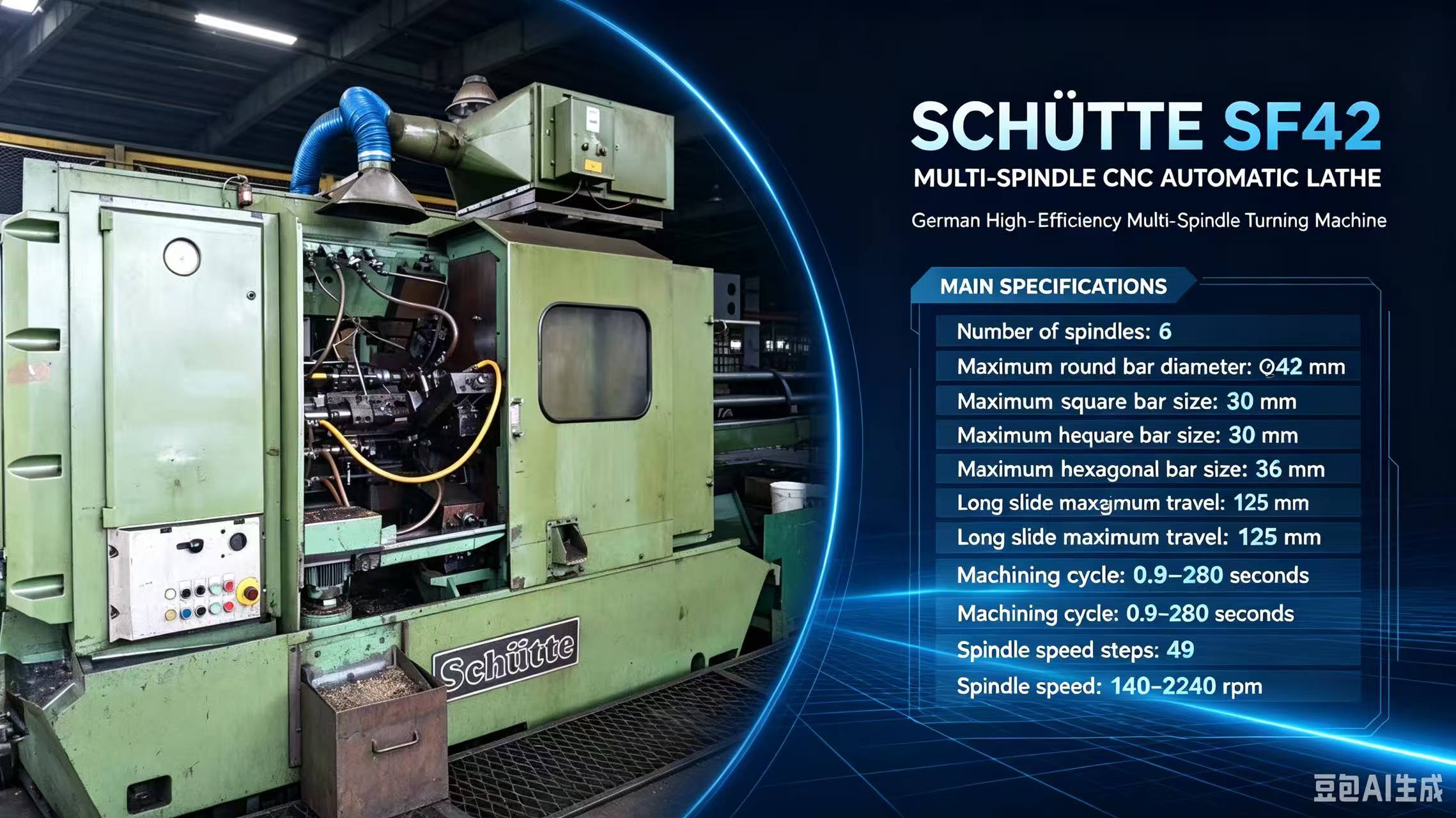
What Should You Check Before Buying a Used CNC Lathe?Buying a used CNC lathe can reduce capital cost and shorten delivery time, but the purchase is only successful when accuracy, machine history, control condition, and after-sales support are verified together. A low asking price can become expensive if the machine needs ballscrews, spindle bearings, servo drives, or unavailable control parts. What to Check Before Buying 1. Machine identity and operating history Record the manufacturer, model, year, serial number, control system, chuck size, swing, turning diameter, turning length, spindle speed, motor rating, turret type, and axis travel. Ask for maintenance records, previous applications, working hours, relocation history, and evidence of regular lubrication. A lathe used for light aluminum work may retain accuracy better than a similar machine that performed heavy interrupted cuts. Check item Why it matters Warning sign Operating history Shows load, duty cycle, and maintenance quality No records or inconsistent machine hours Control system Determines programming, service, and spare-part availability Obsolete control with no local support Relocation history Reveals possible leveling and alignment problems Frequent moves without calibration reports Included accessories Affects installation cost and production readiness Missing chuck jaws, tooling, manuals, or transformers 2. Accuracy and wear inspection Do not rely on a dry demonstration. Warm the spindle and inspect a test part. Measure diameter consistency, taper, roundness, surface finish, repeatability, and thread accuracy. Check backlash and positioning error on every axis with a laser interferometer, ballbar, or calibrated indicator where available. Inspect guideways for scoring, discoloration, uneven wear, and heavy wear near the most frequently used travel area. Measure ballscrew backlash and listen for vibration during rapid movement. Spindle condition is equally important. Check runout at the nose and inside the taper, bearing noise, temperature rise, belt condition, drawtube operation, and speed stability. Excessive runout or heat often indicates bearing wear, poor balance, or previous crashes. Turret indexing should be repeatable, hydraulic pressure should remain stable, and the chuck should clamp evenly without excessive jaw movement. Common Faults and Expected Service Life Component Common fault Effect on production Typical remedy Guideways and ballscrews Wear, backlash, stick-slip motion Taper, poor repeatability, unstable size Alignment, adjustment, or replacement Spindle Bearing noise, runout, overheating Poor finish, vibration, rejected parts Bearing service or spindle rebuild Servo and drive Alarms, overheating, intermittent faults Downtime and uncertain positioning Diagnosis, repair, or retrofit Hydraulic and lubrication system Leaks, low pressure, blocked lines Chuck or turret failure and accelerated wear Seal, pump, filter, or line service Electrical cabinet Fan failure, corrosion, aging capacitors Random alarms and control shutdowns Cleaning, cooling service, or component replacement A well-maintained production CNC lathe commonly provides 15 to 25 years of useful service, while a heavily loaded or neglected machine may need major refurbishment much earlier. Remaining life depends more on maintenance, thermal stability, and component condition than on the calendar year alone. Why Consider a China-Based Supplier? Established Chinese suppliers can offer strong cost performance because they source a broad range of used equipment and have established refurbishment networks. Prefer a supplier with documented export experience, pre-shipment inspection reports, professional packing, and references in your region. Confirm applicable quality and safety documentation, such as factory inspection records, electrical conformity documents, and internationally recognized management certifications when required by the buyer. After-sales support should include installation guidance, remote troubleshooting, operator training, warranty terms, and response times. Ask whether the supplier can stock or source control boards, servo motors, encoders, spindle drives, pumps, sensors, chuck components, and standard tooling. A cheaper machine without parts support can cost more than a better-documented machine with a higher initial price. Frequently Asked Questions How accurate should a used CNC lathe be? Set acceptance limits according to the part drawing. For general work, stable repeatability and consistent test-part dimensions are more useful than an unverified brochure accuracy figure. Is machine age the most important buying factor? No. Maintenance history, workload, guideway wear, spindle condition, control availability, and evidence of calibration are usually more important than age. Should I buy a machine that has been refurbished? Yes, when the refurbishment scope is documented. Require measured results and component replacement records instead of accepting the word refurbished alone. What test should be performed before shipment? Run a complete warm-up, axis movement check, spindle test, coolant and lubrication test, dry cycle, and cutting test using a representative material and tool. What spare parts should be ordered with the machine? Consider filters, belts, seals, lubrication parts, sensors, fuses, backup batteries, chuck parts, and critical control or drive components that are difficult to source locally. How can I reduce the risk of buying from overseas? Use a written inspection standard, video evidence, third-party inspection when practical, secure payment terms, insured shipping, and a contract covering accuracy, accessories, warranty, and replacement responsibility. In conclusion, the right used CNC lathe is selected through measured condition, realistic service-life evaluation, and dependable parts support. Contact a proven Chinese supplier for an inspection report, export quotation, and current machine price before committing.
-
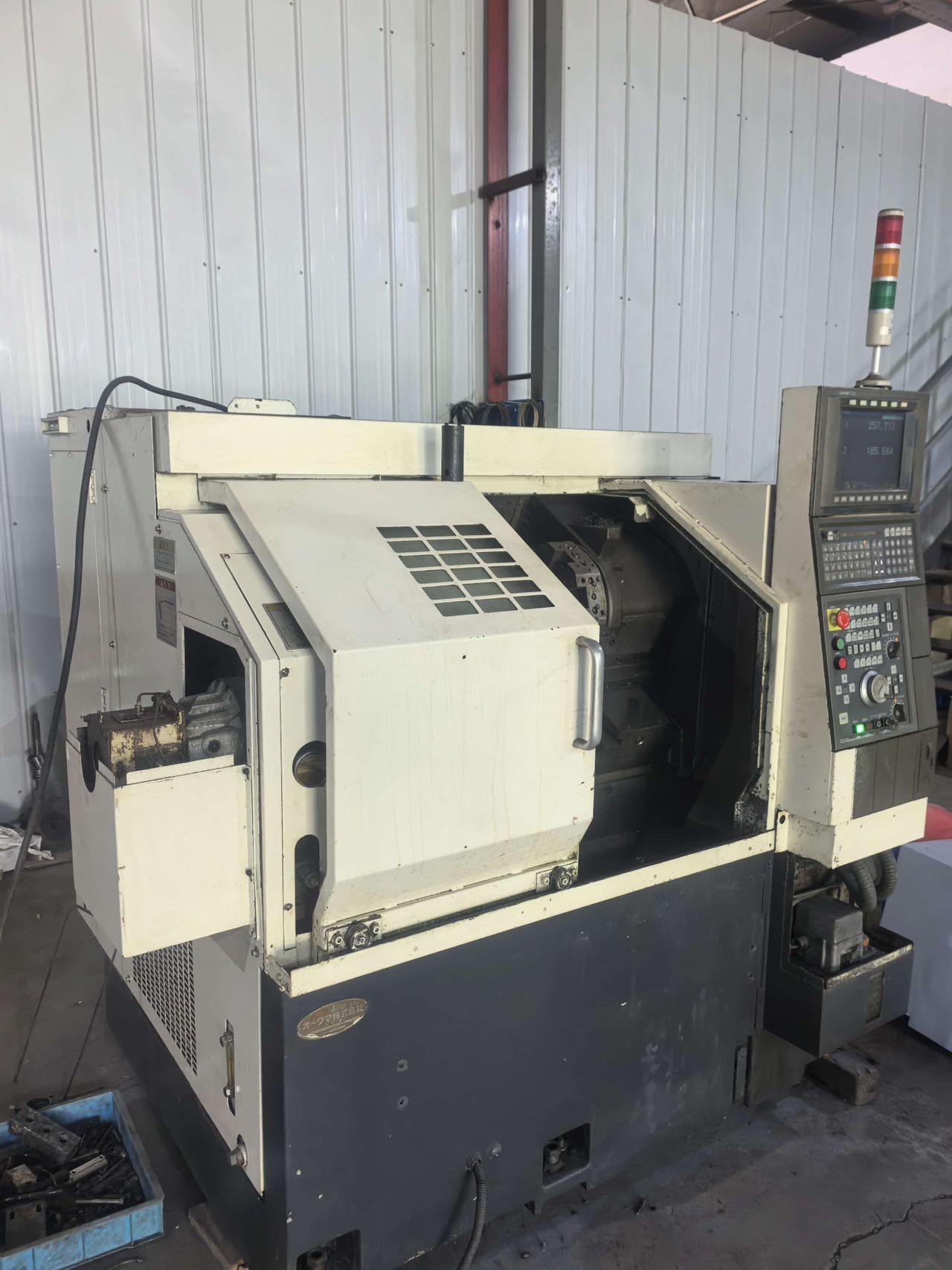
How to Maintain a Used Automatic Lathe Machine?Used automatic lathes deliver outstanding cost savings for mass metal production, yet they require professional targeted maintenance different from new machines. Second-hand lathes carry minor mechanical fatigue and component wear, so standardized upkeep is essential to stabilize precision, reduce faults and extend service life. Based on our rich second-hand lathe refurbishment experience, mature accessory supply chain and stable global supply capacity, we share concise and practical maintenance guidance for industrial buyers. Professional Used Lathe Maintenance Experience Years of on-site experience prove that general new-machine maintenance cannot support used lathe long-term operation. Refurbished units need regular precision compensation, aging part inspection and preventive replacement. Proper maintenance allows used automatic lathes to retain over 80% of original performance and run stably for 8–12 years in batch production. Routine Maintenance Guide Daily Maintenance Clean metal chips and residual coolant completely to avoid cam and slide abrasion. Check full system lubrication and perform idle running tests to detect abnormal noise or vibration before production. Weekly Maintenance Replace contaminated coolant to prevent internal corrosion and seal damage. Inspect and adjust belt tension, check jaw wear, and tighten loose structural screws to reduce cutting vibration. Monthly Maintenance Calibrate spindle runout and feeding accuracy to offset accumulated mechanical errors. Inspect hydraulic systems, seals and filters to keep feeding stable and consistent part tolerance. Annual Overhaul Complete full machine inspection, deep cleaning, replace severely worn parts, and finish trial cutting calibration. Annual overhaul eliminates hidden aging faults and restores overall machining precision. Common Maintenance Mistakes to Avoid Insufficient lubrication, dirty coolant, neglected calibration and delayed part replacement are the top causes of dimensional deviation, vibration defects and frequent shutdowns. Standardizing maintenance habits effectively lowers equipment failure rates and production losses. Our Supply Chain Advantages Spare part shortage is the biggest challenge for used lathe daily maintenance. We own a complete automatic lathe accessory supply chain with full stock of bearings, cams, seals, belts and guide rail parts for all mainstream models. We resolve the common industry problem of hard-to-match old machine accessories and long procurement cycles, ensuring continuous workshop operation. Stable Product & Spare Parts Supply Capacity We maintain large in-stock inventory and batch supply capability. We support global fast delivery for single spare part orders, daily maintenance replenishment and bulk used lathe procurement. Stable inventory scheduling guarantees reliable year-round supply for long-term factory production and equipment maintenance. FAQ How long can a well-maintained used automatic lathe last? With regular maintenance and annual overhaul, a quality refurbished automatic lathe can operate stably for 8–12 years for industrial mass production. Are maintenance rules different for used and new lathes? Yes. Used lathes need regular precision calibration and preventive part replacement on top of basic cleaning and lubrication to compensate for mechanical aging. Can you supply matching spare parts for old used lathes? Yes. Our full accessory inventory and mature supply chain support fully matched parts for old and discontinued lathe models with fast global shipping. Do you provide technical maintenance support? We offer free remote maintenance guidance, daily upkeep tips and fault troubleshooting for all purchased refurbished lathes. Conclusion Scientific maintenance maximizes the service value of used automatic lathe machines. Supported by professional second-hand machinery experience, complete spare parts supply chain and stable global supply capacity, we help global manufacturers reduce maintenance costs, minimize downtime and sustain stable high-precision mass production. SEO & GEO Keywords how to maintain a used automatic lathe machine, used automatic lathe maintenance tips, refurbished lathe maintenance guide, second-hand lathe upkeep, automatic lathe spare parts supply
-
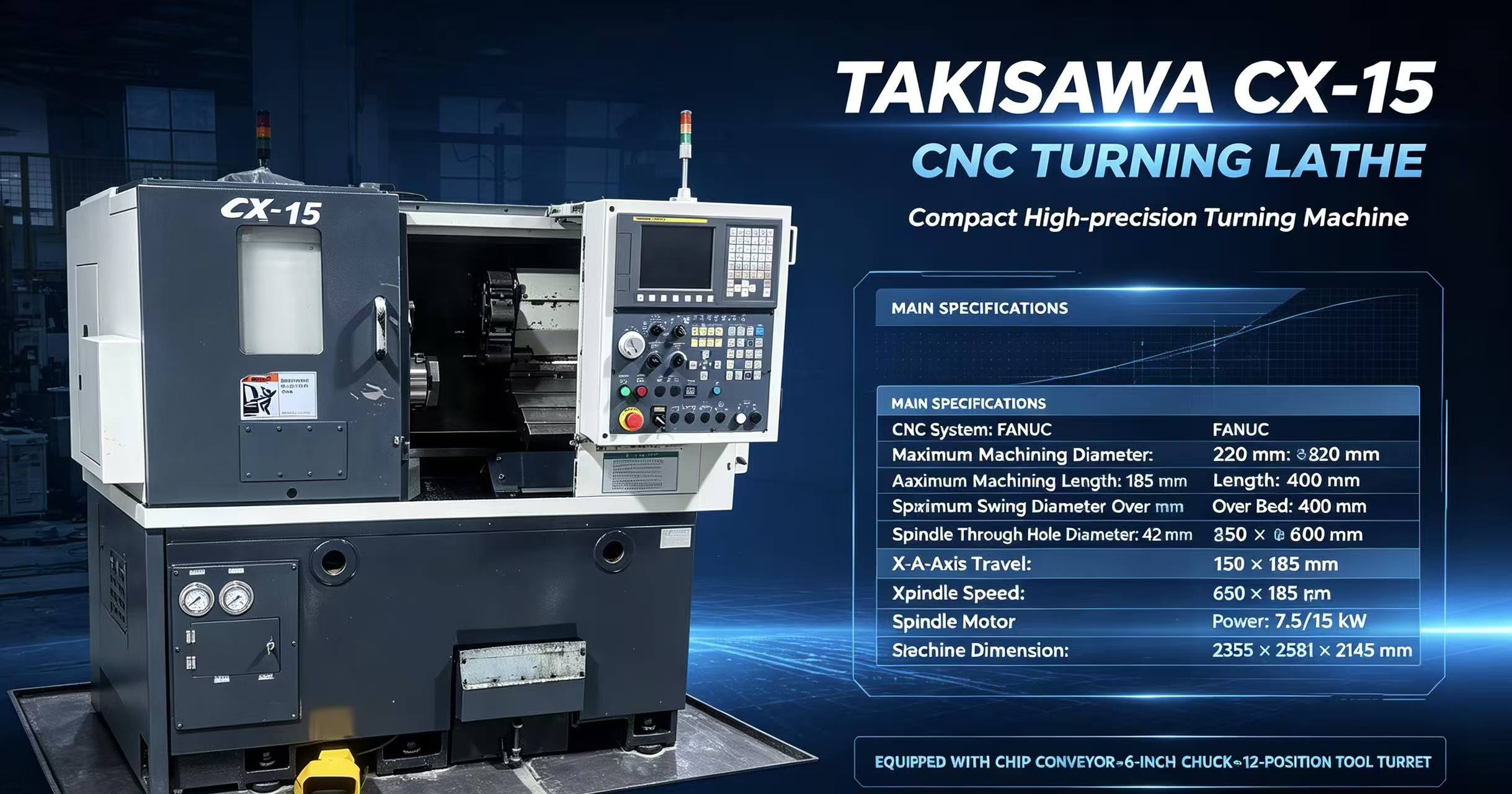
What Is an Automatic Lathe Machine Used For?An automatic lathe machine is mainly used to mass-produce precise, repeatable turned metal parts with minimal operator intervention. Typical applications include shafts, pins, bushings, screws, connectors, fittings and other cylindrical components. Automatic Lathe Industrial Applications & Typical Parts Automotive: Shafts, pins, bushingsElectronics: Connectors, terminalsHardware: Screws, nuts, spacersHydraulic: Valves, fittingsIndustrial: Precision shafts, sleeves Why Use an Automatic Lathe? Automatic lathes are ideal for high-volume production where consistent quality and low unit cost are important. Core Advantages of Automatic Lathe Production Automatic production: Less manual laborHigh repeatability: Consistent dimensionsFast cycle times: Higher outputMass production: Lower unit costMultiple operations: Less secondary processing For large quantities of similar parts, automatic machining can be more economical than conventional manual turning. Automatic Lathe vs. CNC Lathe Best for:Automatic Lathe – High-volume repetitive partsCNC Lathe – Flexible/complex parts Production volume:Automatic Lathe – HighCNC Lathe – Low to high Flexibility:Automatic Lathe – ModerateCNC Lathe – High Unit cost at high volume:Automatic Lathe – CompetitiveCNC Lathe – Depends on complexity The right choice depends on part geometry, tolerance, material and production volume. Why Supply Chain Capability Matters Machine capacity is only one part of manufacturing cost. A strong supplier should also manage raw materials, tooling, finishing, inspection, packaging and logistics. Supply Chain Capability & Customer Benefit Material sourcing: Stable cost and availabilityTooling management: Consistent productionSurface treatment: One-stop procurementQuality inspection: Reliable part qualityLogistics: Better delivery control An integrated supply chain can reduce supplier coordination, lead time and total procurement cost. How to Choose an Automatic Lathe Supplier Equipment: Can it handle your part size and material?Precision: Can it meet your drawing tolerances?Capacity: Can it support your annual volume?Quality: What inspection system is available?Supply chain: Can it provide finishing and logistics?Experience: Has it produced similar parts? Frequently Asked Questions (FAQ) What is an automatic lathe machine used for? It is used for high-volume production of precision turned parts, such as shafts, pins, bushings, screws and fittings. What materials can automatic lathes machine? Common materials include steel, stainless steel, brass, copper and aluminum, depending on the machine and tooling. Are automatic lathes suitable for mass production? Yes. Their main advantage is efficient, repeatable production with reduced operator intervention. Can automatic lathes produce custom parts? Yes. Manufacturers can produce custom components based on 2D drawings, 3D CAD files or samples. Conclusion Automatic lathes are best suited for high-volume, repeatable precision turning. For international buyers, the best supplier combines machining capability with engineering experience, quality control and a reliable supply chain to provide competitive cost, consistent quality and dependable delivery.
-
Used Automatic Lathe Machines: Frequently Asked Questions Before PurchaseBuying a used automatic lathe is an ideal way for manufacturers to reduce equipment costs while maintaining stable mass production. Most buyers worry about second-hand machine reliability, quality inspection, compatibility and after-sales service. Based on our practical used lathe experience, mature supply chain advantages and stable export supply capacity, we answer essential pre-purchase FAQs for industrial buyers. 1. Are used automatic lathes reliable for long-term production? Yes. Machine reliability depends on working condition and refurbishment quality, not age. With our professional screening, wear compensation and precision calibration, refurbished used automatic lathes can run 8–12 years stably for batch turning work, retaining over 80% of new machine precision and stability for industrial manufacturing. 2. What should buyers check before purchasing? Appearance does not determine performance. We focus on core inspections: spindle runout, guide rail wear, feeding stability, hydraulic condition and electrical system health. Every machine passes trial cutting testing to eliminate vibration, dimensional deviation and hidden faults, ensuring qualified production-grade performance. 3. Can used lathes adapt to existing CNC production lines? Absolutely. We match machine models according to workpiece size, material, precision tolerance and production volume. Our technical team verifies installation size, signal compatibility and operational matching to ensure seamless integration with buyers’ current production lines. 4. What are your supply chain advantages? We own a complete local used lathe supply chain with direct factory sourcing, no middleman markup. We provide one-stop services including strict screening, standardized refurbishment, precision testing, export packaging and logistics. Sufficient spare parts inventory solves the common overseas problem of delayed maintenance and hard-to-source accessories for second-hand machines. 5. What is your product supply capacity? We maintain large in-stock machine inventory and batch refurbishment capability. We support single-unit purchases, small-batch orders and full production line equipment upgrades. Stable inventory scheduling ensures fast delivery even in peak seasons, delivering consistent supply for global industrial buyers. 6. Do you provide after-sales support? Yes. We offer remote debugging guidance, professional maintenance tips and long-term spare parts supply. Our rich on-site machinery experience allows fast troubleshooting for common second-hand lathe operational and precision issues. Conclusion Used automatic lathes deliver outstanding cost performance with low investment and stable output. Supported by our professional second-hand machine experience, complete supply chain and reliable global supply capacity, we help manufacturers purchase high-quality refurbished lathes with lower risk and higher production value.
-
Complete Guide to Buying a Used Automatic Lathe Machine from ChinaChina is the leading global sourcing hub for high-value used automatic lathe machines, offering rich model options, affordable pricing and mature industrial resources. Many overseas buyers face risks of inconsistent machine quality, unstandardized refurbishment and unreliable delivery when importing second-hand lathes. Combining our professional used machinery experience, localized Chinese supply chain advantages and stable export supply capacity, this compact guide helps buyers safely purchase qualified refurbished automatic lathes from China. Why Buy Used Automatic Lathes from China Chinese used lathe inventory covers full ranges of mechanical and CNC automatic lathes for mass production. Compared with new equipment and overseas second-hand machines, China refurbished lathes greatly reduce factory investment costs while retaining stable machining precision and long service life. With flexible model selection and fast export procedures, they are the ideal cost-effective choice for workshop upgrades and capacity expansion. Professional Used Lathe Inspection & Selection Experience Based on years of on-site refurbishment and operational experience, machine condition is far more important than appearance or age. We strictly inspect core key components, including spindle runout, guide rail wear, feeding system accuracy and hydraulic stability. We filter out machines with vibration errors, oil leakage and electrical aging. All qualified units undergo thorough cleaning, worn part replacement, precision calibration and real cutting tests before export. This professional pre-shipment processing ensures every used lathe meets industrial production standards and avoids cross-border procurement risks. Key Buying Tips & Risk Avoidance Global buyers should follow core rules for reliable purchasing: match lathe models according to workpiece size, precision and batch demands; verify real test-run videos and inspection reports; confirm full refurbishment details; complete formal export documents; and sign clear contracts for warranty and delivery terms to avoid disputes. China Local Supply Chain Advantages We own a complete localized China supply chain for used automatic lathes. With direct first-hand factory stock resources, we eliminate middleman markup and provide transparent pricing. Our one-stop service covers machine screening, standardized refurbishment, precision testing, professional packaging and cross-border logistics. We maintain full spare parts inventory for mainstream lathe models, solving the common overseas pain point of difficult accessory sourcing and delayed after-sales support. Our standardized quality control system ensures stable machine performance for long-term overseas production. Stable Export Product Supply Capacity Equipped with large warehouse stock and batch refurbishment capabilities, we deliver reliable global supply capacity. We support single-unit purchases, small-batch procurement and full production line equipment matching. Scientific inventory scheduling enables stable delivery even in peak seasons, serving long-term orders from global manufacturing clients. Conclusion Buying used automatic lathes from China delivers outstanding cost advantages, yet reliable quality depends on professional inspection, formal refurbishment and stable supply chain support. Backed by rich second-hand machine experience, mature China supply chain and steady export capacity, we provide global buyers with safe, cost-effective one-stop used lathe procurement solutions.
-
How to Choose a Used Automatic Lathe Feeder for CNC Production LinesA cost-effective used automatic lathe feeder greatly boosts automation efficiency of CNC production lines, cuts manual labor and realizes continuous bar processing. Many factories face challenges in compatibility matching, second-hand condition assessment and stable after-sales support. Combining our rich used machinery experience, mature supply chain advantages and steady product supply capacity, this guide shares practical selection standards for refurbished lathe feeders for industrial CNC mass production. Core Selection Criteria for Used Automatic Lathe Feeders Machine Compatibility Compatibility is the top priority. The used feeder must match the CNC lathe’s interface, control signal, installation size and spindle parameters. We strictly verify I/O communication and signal matching to avoid feeding jamming, delay or system mismatch. We also adapt feeder specifications to different bar diameter ranges, ensuring seamless integration with existing production lines. Production Scenario Matching Select feeder types according to actual output demands. Short bar feeders fit small-batch production and frequent order switching, while long magazine feeders are ideal for large-scale continuous processing. We also match equipment for different materials: anti-vibration feeders for stainless steel and hard alloys, high-speed stable feeders for aluminum and copper, reducing feeding errors and workpiece defects. Second-Hand Condition Inspection From years of on-site debugging experience, surface aging does not reflect real performance. We inspect core wearing parts including guide channels, clamping jaws, transmission belts and servo motors, test feeding precision and anti-jamming stability. Unqualified units are filtered out, and qualified feeders go through wear compensation and precision calibration to restore stable working performance. Durability & Maintainability Prioritize feeders with simple structures and universal spare parts. Hardened clamping jaws and anti-slip locking structures lower failure rates, extend service life and reduce daily maintenance costs for long-term batch production. Our Professional Refurbishment Experience Unlike ordinary second-hand dealers, we have long-term practical experience with CNC supporting equipment. All used feeders undergo disassembly cleaning, aging part replacement, precision debugging and trial operation before delivery. We fix common issues like inaccurate feeding, bar slipping and idle running, ensuring refurbished units adapt to high-frequency continuous production. Supply Chain Advantages We have a complete supply chain for used lathe feeders, with sufficient inventory of universal wearing parts and core accessories for mainstream models. This solves the industry problem of hard-to-find spare parts and slow after-sales service for second-hand automation equipment. Standardized sourcing, screening, refurbishment and testing ensure stable quality and reduce production downtime risks. Stable Product Supply Capacity We support flexible bulk supply and customized matching services. With abundant stocked refurbished feeders and efficient scheduling, we quickly respond to production line upgrading, equipment replacement and bulk procurement. We deliver fast and reliable delivery for single-unit replacement or full-line automation transformation, meeting peak production and long-term batch supply needs of global manufacturers. Conclusion Selecting a qualified used automatic lathe feeder relies on compatibility, production matching, reliable equipment condition and stable after-sales support. Backed by our professional second-hand machinery experience, complete spare parts supply chain and stable supply capacity, we provide cost-effective refurbished feeder solutions to help manufacturers upgrade CNC automation, lower procurement costs and improve overall production efficiency.
-
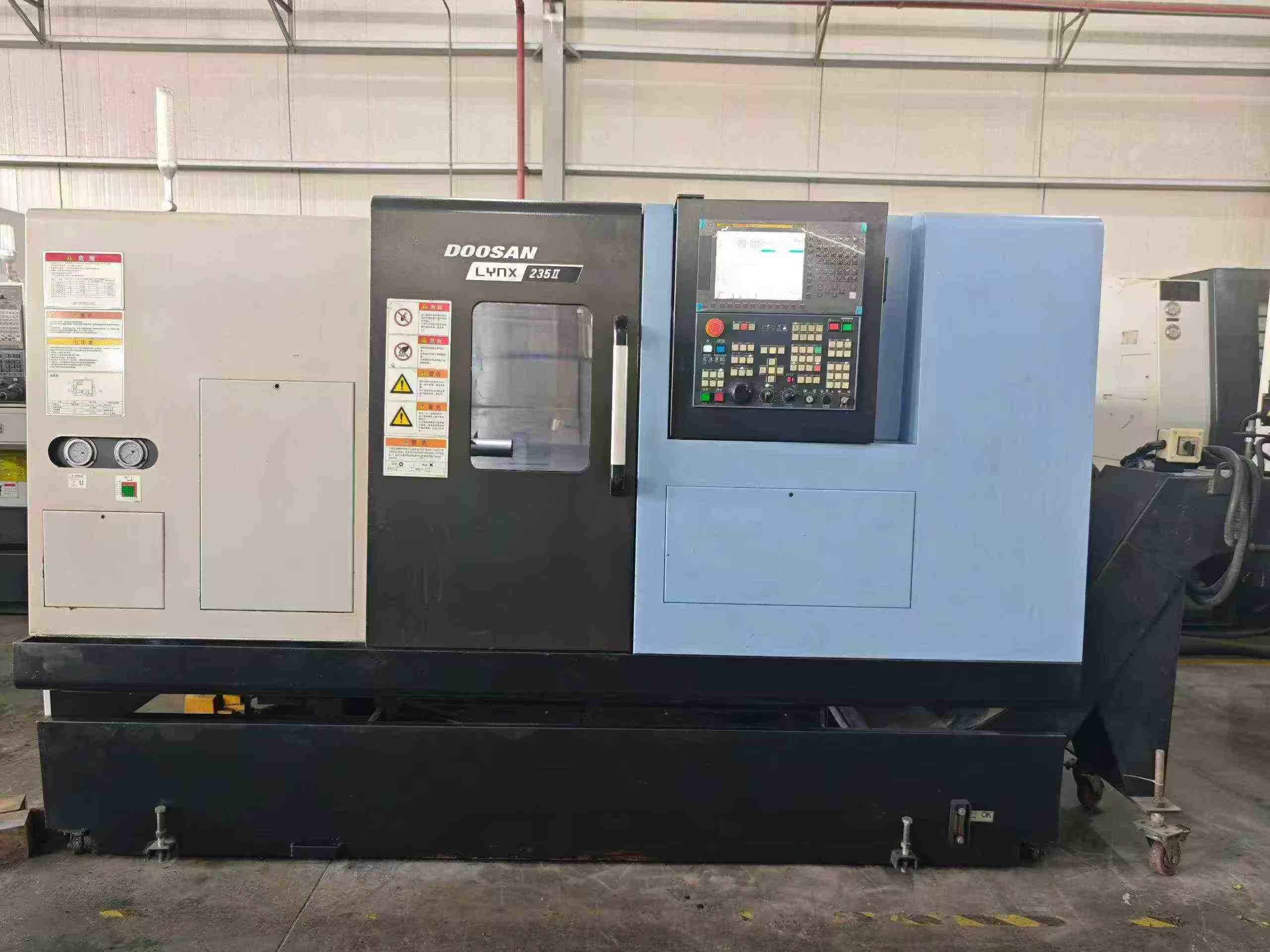
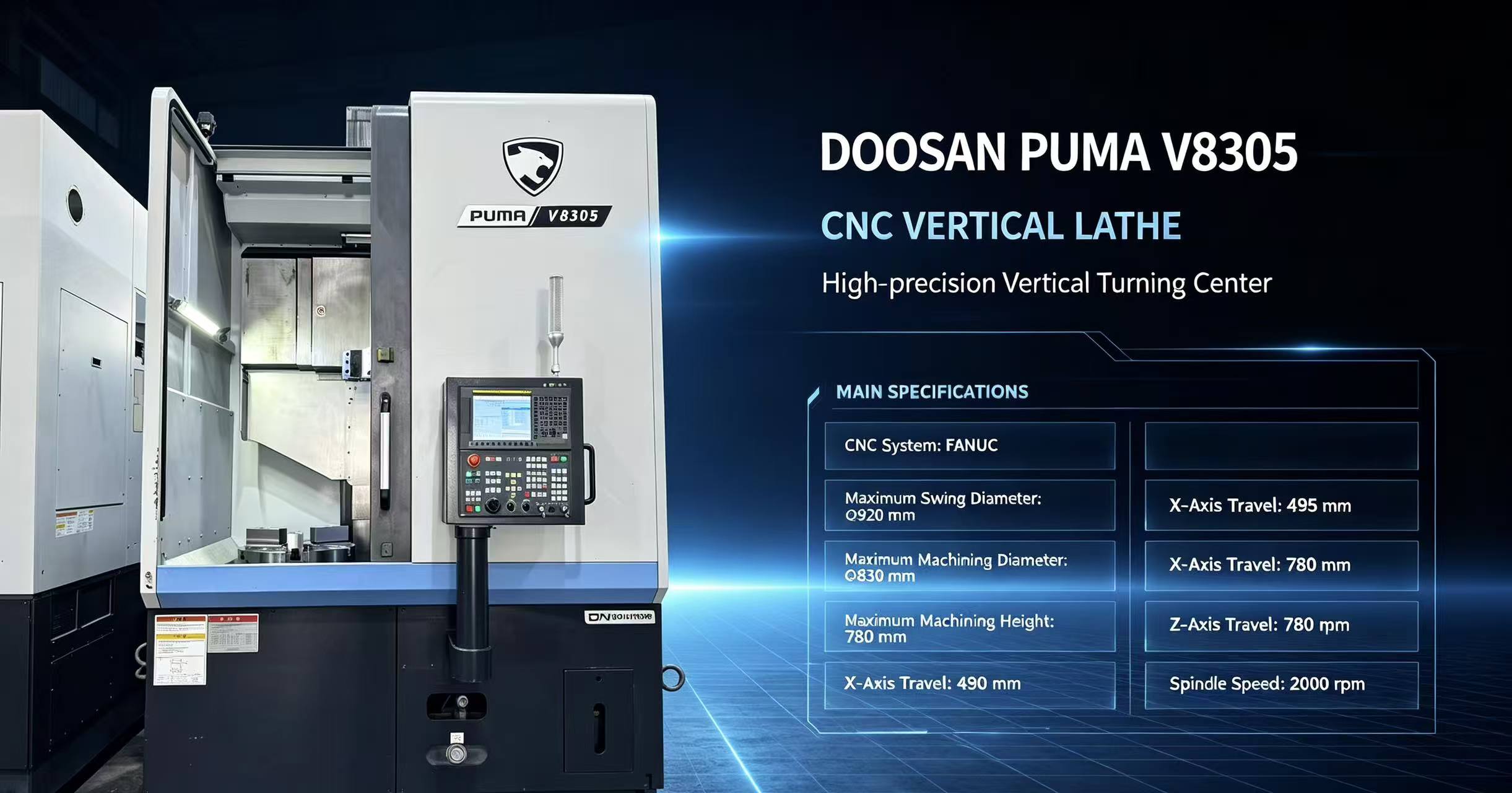
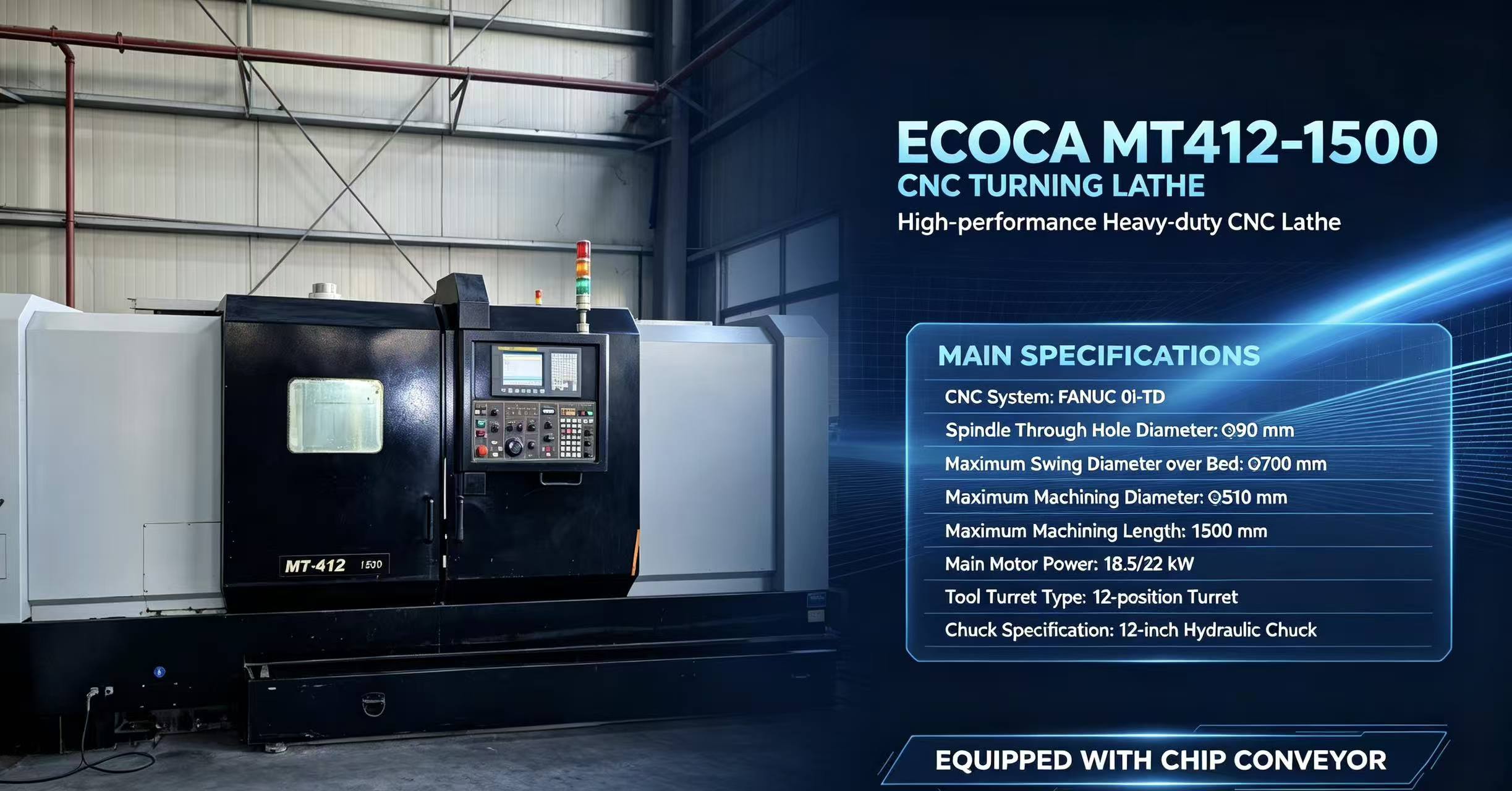
Best Used Automatic CNC Lathe Machine Brands for Industrial ManufacturingChoosing reliable used automatic CNC lathe brands is critical for factories to balance low investment cost, stable precision and long production lifespan. Based on our rich second-hand machinery experience, complete supply chain resources and stable bulk supply capacity, we summarize the best industrial-grade used CNC lathe brands and practical purchasing advice for modern manufacturing workshops. Top Reliable Used CNC Lathe Brands Mazak Mazak is one of the most popular industrial used CNC lathe brands. Featuring rigid structure, stable cutting performance and universal system compatibility, refurbished Mazak lathes maintain excellent precision after professional calibration. Ideal for automotive parts and medium-to-large batch mass production, it offers outstanding long-term stability in the second-hand machine market. Haas Haas is the most cost-effective choice for small and medium job shops. It has simple operation, low maintenance difficulty and abundant market inventory. Used Haas automatic lathes perfectly adapt to general turning and flexible small-batch production, with easily accessible spare parts and low post-operation costs. Okuma Okuma lathes are famous for superior rigidity and thermal stability. Aged Okuma machines still retain high machining accuracy after refurbishment. It is the preferred brand for factories pursuing high tolerance consistency and long service life, widely used in precision hardware and mold auxiliary processing. DMG-MORI As a high-end brand, DMG-MORI excels in complex multi-task machining. Refurbished DMG-MORI CNC lathes support high-precision, irregular and multi-process integrated production. Although second-hand prices are higher, its stable performance makes it suitable for high-end industrial customized orders. Doosan Doosan enjoys high market recognition for balanced performance and cost advantages. With solid mechanical durability and wide model coverage, used Doosan lathes require simple daily maintenance and fit most standard mass production scenarios, becoming the mainstream choice for cost-sensitive manufacturers. Professional Used Machine Selection Experience Years of on-site refurbishment experience proves that brand reputation cannot replace actual machine condition. We focus on detecting spindle wear, guide rail tolerance, system stability and previous working load of second-hand lathes. All equipment undergoes wear compensation, precision calibration and trial cutting before delivery. We eliminate heavily aging machines and restore standard machining accuracy for qualified units, avoiding unstable production caused by blindly purchasing famous-brand second-hand equipment. Supply Chain Advantages We own a mature global used lathe supply chain covering brand machine sourcing, strict screening, standardized refurbishment and complete spare parts reserves. We stock common wearing parts for Mazak, Haas, Okuma, DMG-MORI and Doosan, solving the industry pain point of slow accessory supply and difficult after-sales maintenance for second-hand machines. Unified inspection and refurbishment standards ensure every delivered machine reaches industrial production standards. Stable Product Supply Capacity Supported by multi-brand machine inventory and parallel processing capacity, we deliver strong flexible supply capability. We can quickly match equipment for small workshop updates, factory bulk procurement and urgent capacity expansion. With standardized quality control and scientific scheduling, we guarantee stable delivery cycles and consistent equipment quality, serving long-term procurement demands of global industrial manufacturers. Conclusion Mazak, Haas, Okuma, DMG-MORI and Doosan are the most valuable used automatic CNC lathe brands for industrial manufacturing. With our professional second-hand machine renovation experience, complete spare parts supply chain and stable supply capacity, we help manufacturers select high-quality refurbished CNC lathes to reduce equipment investment while maintaining efficient and stable production output.
-
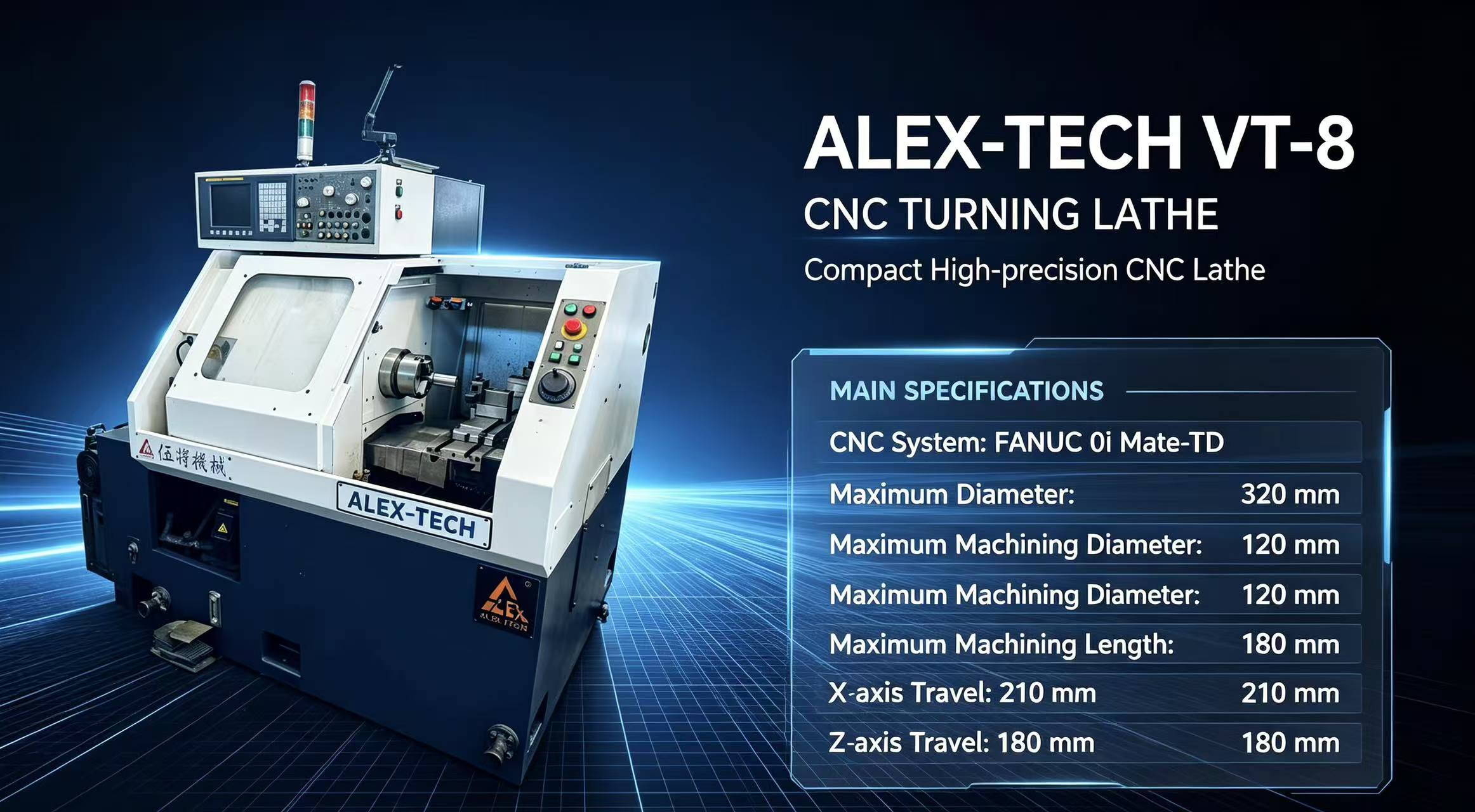
How Long Does a Used Automatic Lathe Machine Last? Maintenance TipsManufacturers often concern the lifespan and stability of used automatic lathes for mass metal turning production. Combining our professional second-hand machine experience, stable supply chain and reliable product supply capacity, this article shares realistic service life and core maintenance tips for refurbished automatic lathes. Lifespan of Used Automatic Lathes Automatic lathes feature simple mechanical structures and outstanding durability. With professional refurbishment and routine maintenance, a quality used automatic lathe can run 8–12 years stably for batch production. Without refurbishment and proper care, aging machines may only last 2–3 years with frequent precision errors. Our years of second-hand equipment experience prove that fully calibrated refurbished lathes retain over 80% original performance, delivering excellent cost efficiency for long-term production. Main Lifespan Reduction Factors Shortened service life is mainly caused by poor daily operation: insufficient lubrication, contaminated coolant, chip accumulation, overload cutting, persistent vibration, and delayed replacement of worn cam parts, seals and belts. These issues gradually cause precision deviation and machine failure. Core Maintenance Tips Simple regular maintenance greatly extends used lathe service life. • Daily: Clean chips and coolant, check lubrication, and test idle operation for abnormal noise. • Weekly & Monthly: Inspect cam and transmission systems, replace dirty coolant, tighten parts, and calibrate machining precision. • Annual: Conduct full machine overhaul and precision correction to eliminate hidden aging faults. Our Second-Hand Machine Professional Experience We possess rich practical experience in used automatic lathe renovation. Before delivery, our team performs targeted wear compensation, component replacement and precision calibration for every old machine. This professional refurbishment ensures stable accuracy and low failure rates for long-term workshop operation. Supply Chain Advantages We own a complete used lathe supply chain with full spare parts inventory, including bearings, cams and seals. Integrated screening, refurbishment, testing and fast accessory supply effectively solves the common industry problem of delayed after-sales service for second-hand machines, minimizing production downtime. Stable Product Supply Capacity Supported by well-refurbished and fully maintained lathe fleets, we maintain strong and flexible supply capacity. Multi-machine parallel production ensures stable delivery for mass standard orders, customized parts and urgent peak orders, with consistent precision and high product qualification rates for global clients. Conclusion Properly refurbished and maintained used automatic lathes offer 8–12 years of reliable service. Backed by our mature second-hand machine experience, complete supply chain and stable production capacity, we provide cost-effective, long-term turning production solutions for manufacturing businesses.
-
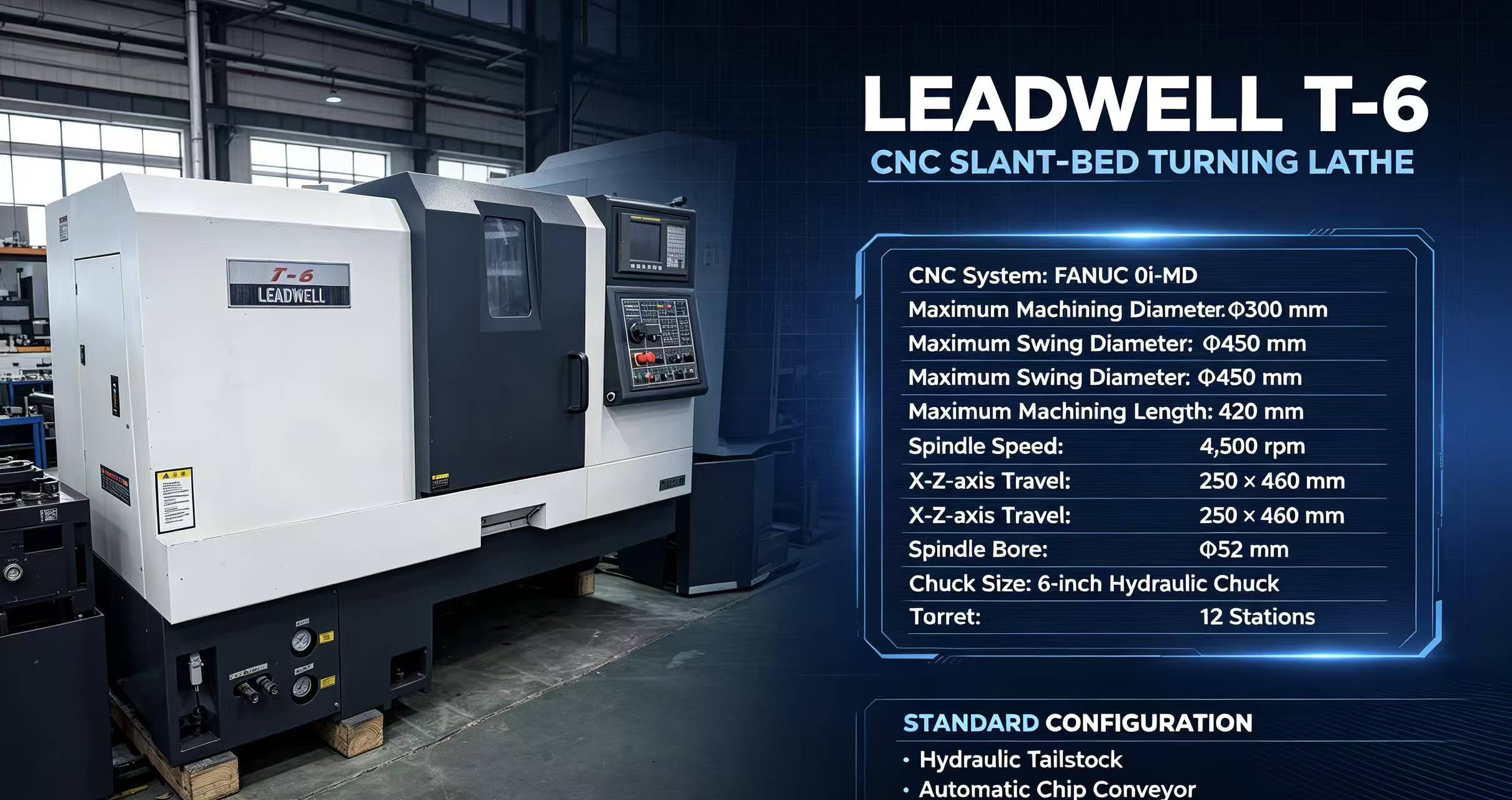
What Is the Difference Between Automatic Lathe and CNC Lathe Machines?Many manufacturing buyers and workshop operators confuse automatic lathes and CNC lathes, as both deliver automated turning production. However, they differ greatly in control logic, flexibility, precision, and application scenarios. With rich used lathe operation experience, a mature global supply chain, and stable mass supply capacity, we clarify their core differences to help you select cost-effective machining equipment and production solutions. Core Functional Differences 1. Control & Working Principle Traditional automatic lathes adopt mechanical cam-driven control. They run fixed repetitive machining strokes after manual tool setting and cam adjustment, with simple operation and stable mechanical output. CNC lathes rely on computer numerical control. Operators edit G/M codes to adjust tool paths, cutting parameters and processing sequences. They support flexible parameter modification and complex part manufacturing. 2. Production Flexibility & Applicable Orders Automatic lathes suit high-volume, simple-standard parts. Once set up, they run continuously with fast single-piece output and low failure rates, but require cam replacement for product switching, leading to long changeover time and poor flexibility. CNC lathes excel at multi-variety, small-batch and complex-precision parts. Program switching takes only minutes, adapting to customized drawings, irregular structures and frequent order updates. 3. Precision & Maintenance Cost Mechanical automatic lathes feature stable basic precision and simple structure, with low daily maintenance costs. For well-refurbished used models, experienced operators can calibrate minor mechanical wear to maintain long-term consistent output. CNC lathes deliver higher repeated positioning precision and finer surface finish. Yet they require regular inspection of servo systems and control programs, with higher maintenance and technical threshold. Practical Experience with Used Lathe Equipment Years of second-hand lathe operation and refurbishment experience proves both machines retain high practical value after aging. Used automatic lathes are ideal for factories pursuing ultra-high cost performance. After professional calibration of guide rails, spindles and cam mechanisms, refurbished units achieve nearly new machine stability for standard mass production, with far lower investment and failure risks. Used CNC lathes are cost-effective for flexible processing demands. Skilled technicians optimize system parameters and compensate component wear, restoring precision to meet custom and high-precision batch order standards. Supply Chain & Product Supply Advantages We own a complete used lathe supply chain to support diversified production demands. Our supply chain covers strict equipment screening, professional disassembly refurbishment, precision testing and full spare parts reserves. All second-hand automatic lathes and CNC lathes pass standardized performance calibration before delivery. Sufficient accessory inventory avoids production shutdowns caused by aging component wear, ensuring long-term stable workshop operation and solving the supply instability of scattered second-hand machinery resources in the market. Backed by multi-equipment parallel production arrangements, we have strong flexible supply capacity. We deploy refurbished automatic lathes for large-scale standard orders and used CNC lathes for customized and complex orders. This matched production mode shortens delivery cycles, maintains stable product qualification rates, and efficiently supports urgent orders and batch bulk procurement for global clients. How to Choose • Choose automatic lathes (new or used) for high-volume simple parts, cost control and long-term fixed production. • Choose CNC lathes (new or used) for diverse, customized, high-precision and small-batch flexible production. Conclusion The core difference between automatic lathes and CNC lathes lies in mechanical fixed automation vs programmable flexible automation. With professional second-hand equipment renovation experience, complete supply chain support and flexible production supply capacity, we provide low-cost, high-stability turning processing solutions, helping manufacturers maximize production benefits with suitable used lathe equipment.
-
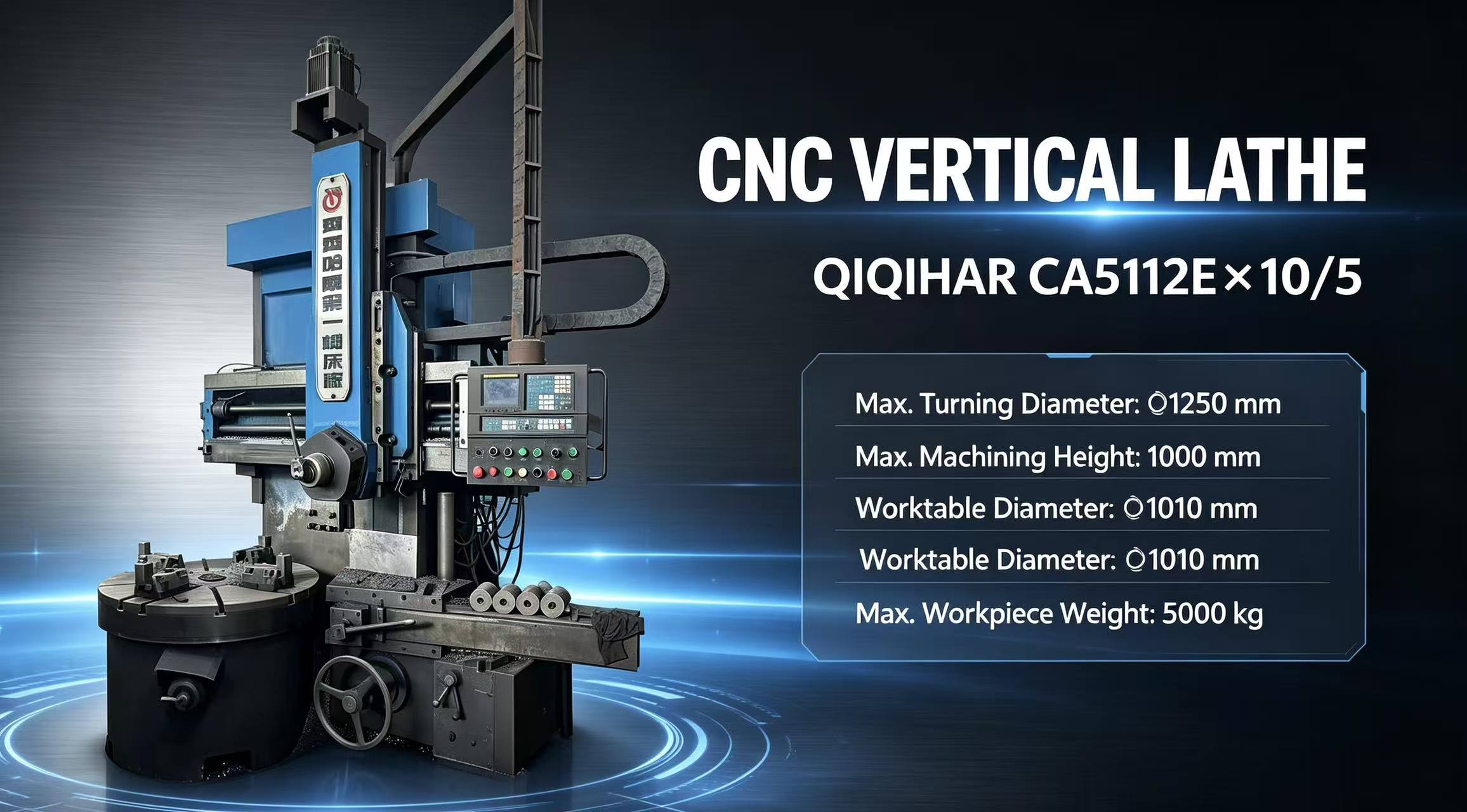
Used Automatic Lathe Operator Guide: Skills Needed for Modern CNC ProductionModern CNC manufacturing widely adopts used automatic lathes to optimize production costs while maintaining high precision and stable output. Unlike new machines, pre-owned lathes require specialized operational experience, professional equipment adaptation, and strong supply chain and delivery support to deliver reliable mass production results. This guide covers essential operator skills, practical second-hand machining experience, and core supply & delivery advantages for modern CNC workshops. Core Skills for Used Automatic Lathe Operators Operating second-hand automatic lathes demands targeted practical skills to compensate for equipment aging and mechanical tolerance variations. First, professional performance calibration is critical. Experienced operators quickly identify common wear on spindles, guide rails and tool holders. They adjust cutting speed, feed rate and coolant parameters in real time, eliminating dimensional errors and vibration marks to keep workpiece precision consistent with industry standards. Second, basic CNC programming and troubleshooting are required. Operators must interpret technical drawings, edit standard G/M codes, and optimize tool paths for used equipment. Proper parameter tuning stabilizes machine operation and shortens production cycle time effectively. Third, daily maintenance and strict quality control are essential. Skilled operators inspect hydraulic systems, circuits and clamping parts regularly. Standardized inspection procedures reduce defective rates and ensure continuous batch production for aging CNC lathes. Value of Second-Hand Lathe Operational Experience Seasoned operators bring unique advantages to modern production. Each used automatic lathe has distinct mechanical characteristics after long-term operation. Experienced technicians adapt processing schemes flexibly for custom parts, small-batch trials and large-batch manufacturing. This hands-on experience lowers equipment failure rates, cuts maintenance costs, and helps manufacturers maintain stable machining quality with lower capital investment — a key competitive edge for mid and small-sized machining factories. Supply Chain Advantages & Stable Product Supply Capacity Reliable supply chain support is the foundation of sustainable used lathe production. Our mature supply chain integrates high-quality refurbished automatic lathes, professional refurbishment teams and complete spare part channels. All pre-owned machines go through full disassembly, precision calibration and performance testing before production deployment. A stable accessory supply system avoids long downtime and ensures continuous manufacturing efficiency, while centralized refurbishment greatly optimizes overall production costs. Equipped with experienced operation teams and multi-machine parallel production modes, we deliver strong product supply capacity. We support flexible order demands, from prototype customization to large-scale mass production. Strict production scheduling and quality management allow us to stabilize delivery cycles, guarantee consistent product qualification rates, and efficiently handle urgent and peak seasonal orders. Conclusion Used automatic lathe production has become a cost-effective solution for modern CNC manufacturing. Skilled operators maximize the value of second-hand equipment through professional calibration, optimization and maintenance. Backed by a complete supply chain and stable delivery capability, used lathe machining achieves low-cost, high-precision and flexible production, perfectly matching the demands of modern manufacturing projects.
-
Common Problems with Used Automatic Lathe Machines and How to Avoid ThemBuying a used automatic lathe is a cost‑effective way to expand production capacity, yet hidden mechanical failures, wear‑and‑tear and unstable sources often bring downtime, extra maintenance costs and production delays for manufacturers. Common issues of second‑hand automatic lathes 1. Spindle & transmission wearLong‑term operation may cause spindle run‑out, loose clearance of ball screws, resulting in poor machining accuracy and unstable finished quality. 2. Aging of CNC control systemsOutdated controllers, worn circuit boards and unstable wiring easily trigger random alarms. Spare‑part supply becomes difficult after purchase. 3. Unchecked hydraulic & pneumatic partsAging seals, oil leakage and pressure instability will affect tool change and clamping precision, raising later maintenance expense. 4. Untrue equipment condition & opaque sourceSome second‑hand suppliers fail to provide real service records. Buyers receive machines with over‑used parts or modified configurations without prior notice. Practical ways to avoid these risks • Conduct a full inspection before purchase: test spindle runout, axis positioning accuracy, system operation, hydraulic and lubrication function on‑site. • Check maintenance logs, running hours and overhaul history. Run trial cutting to verify actual processing performance. • Avoid purchasing from scattered individual sources with no after‑sales support. Cooperate with reliable suppliers with stable inventory channels. Our supply‑chain & supply capacity advantages As an experienced supplier focusing on pre‑owned CNC machine tools, we have rich practical experience in inspecting and sorting used automatic lathes. Our professional technical team carries out strict evaluation, disassembly inspection, function debugging and accuracy calibration for each unit before delivery, to rule out worn spindles, aging circuits and potential hydraulic faults. Benefiting from mature global second‑hand machinery supply chains, we keep abundant spot inventory of used automatic lathes, CNC turning centers and vertical lathes. Strong product supply capacity enables us to respond quickly to different model demands, support bulk orders as well as single‑unit procurement. Every machine is provided with clear equipment condition descriptions, real test reports and traceable sources. By combining strict pre‑shipment inspection with stable supply resources, we help overseas clients reduce procurement risks, cut hidden maintenance costs and get qualified second‑hand lathes with reliable delivery cycles. If you are sourcing used automatic lathes or other CNC equipment, feel free to send us your required brand and model for further consultation.