-
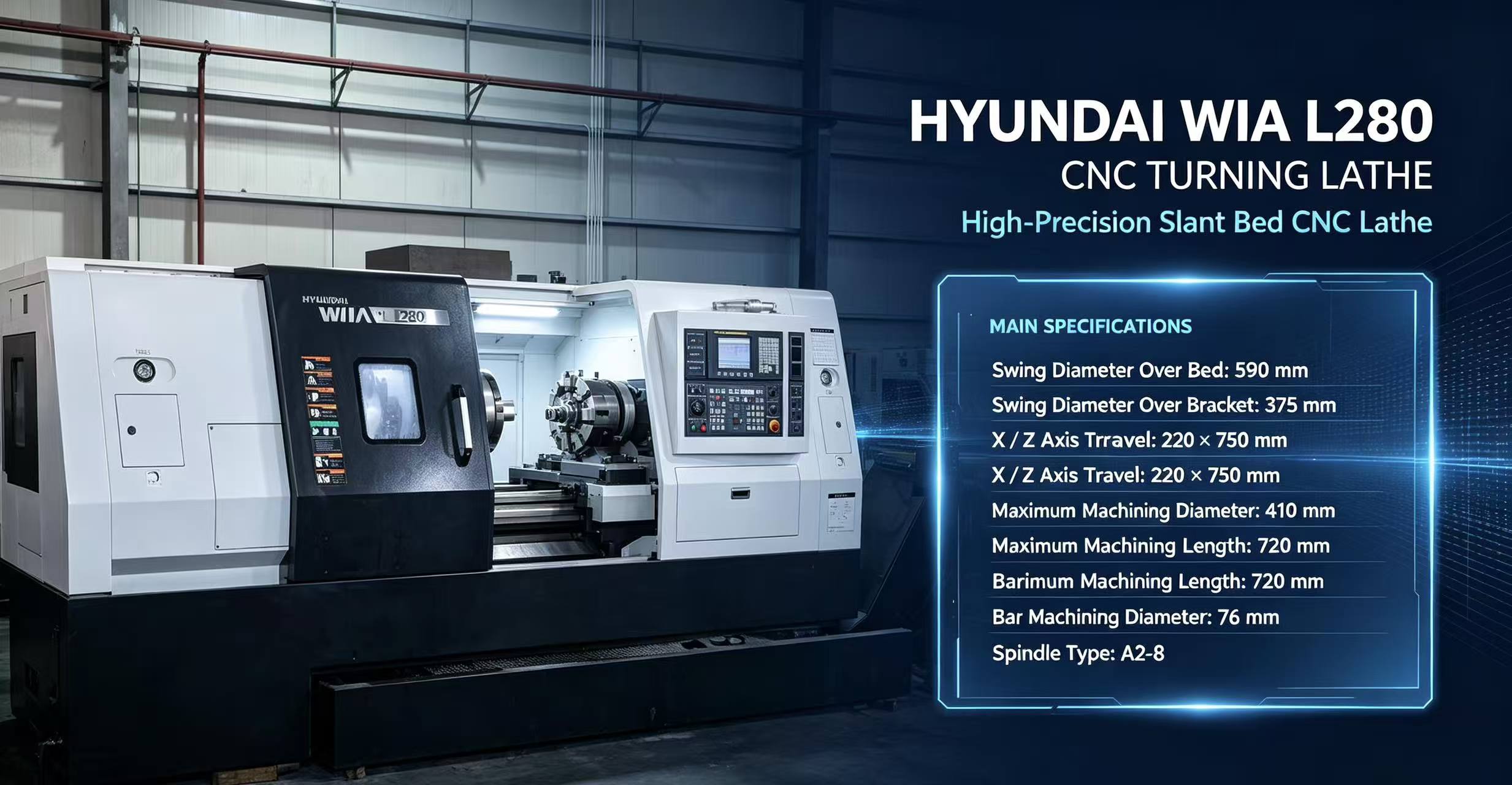
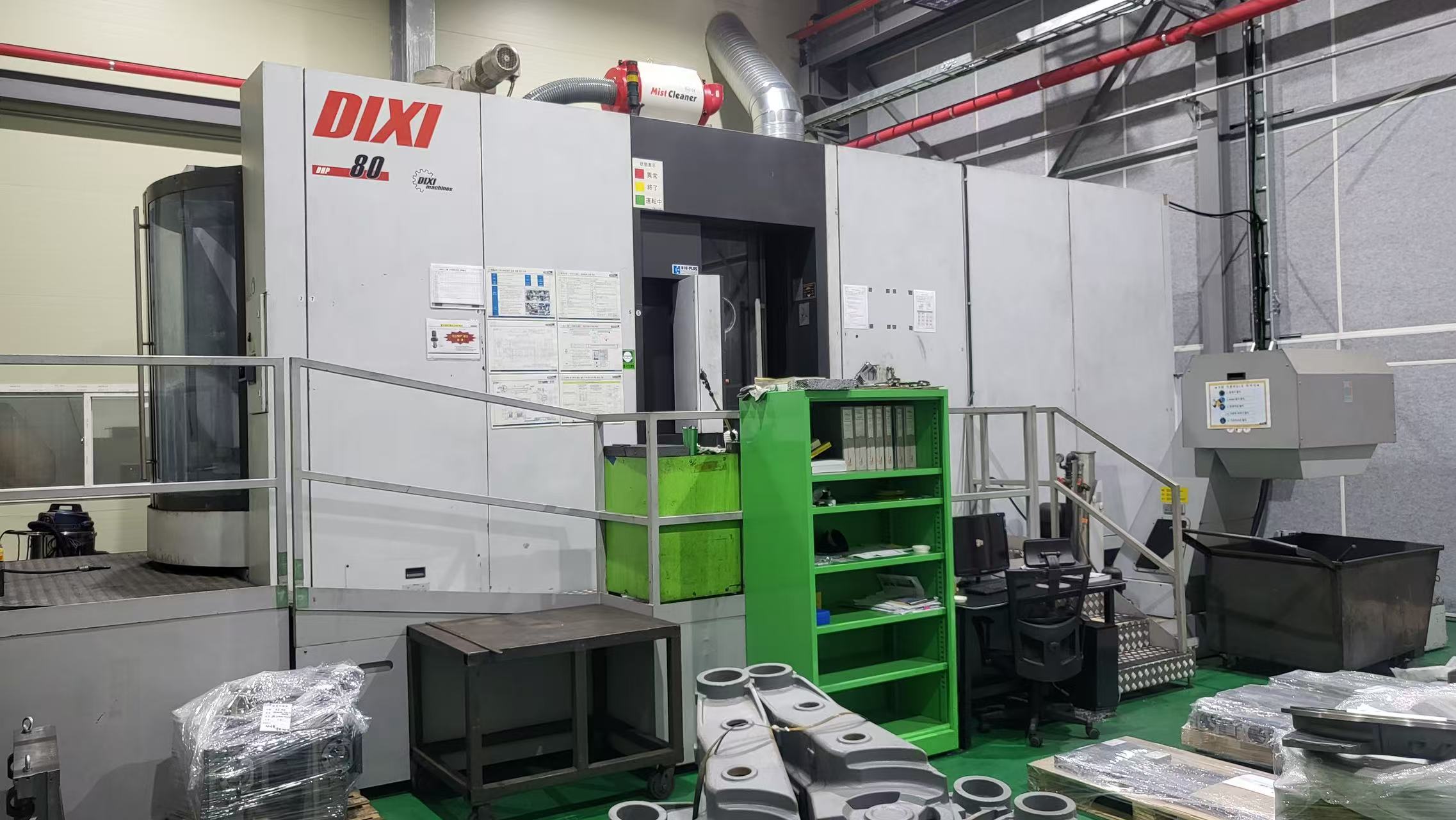
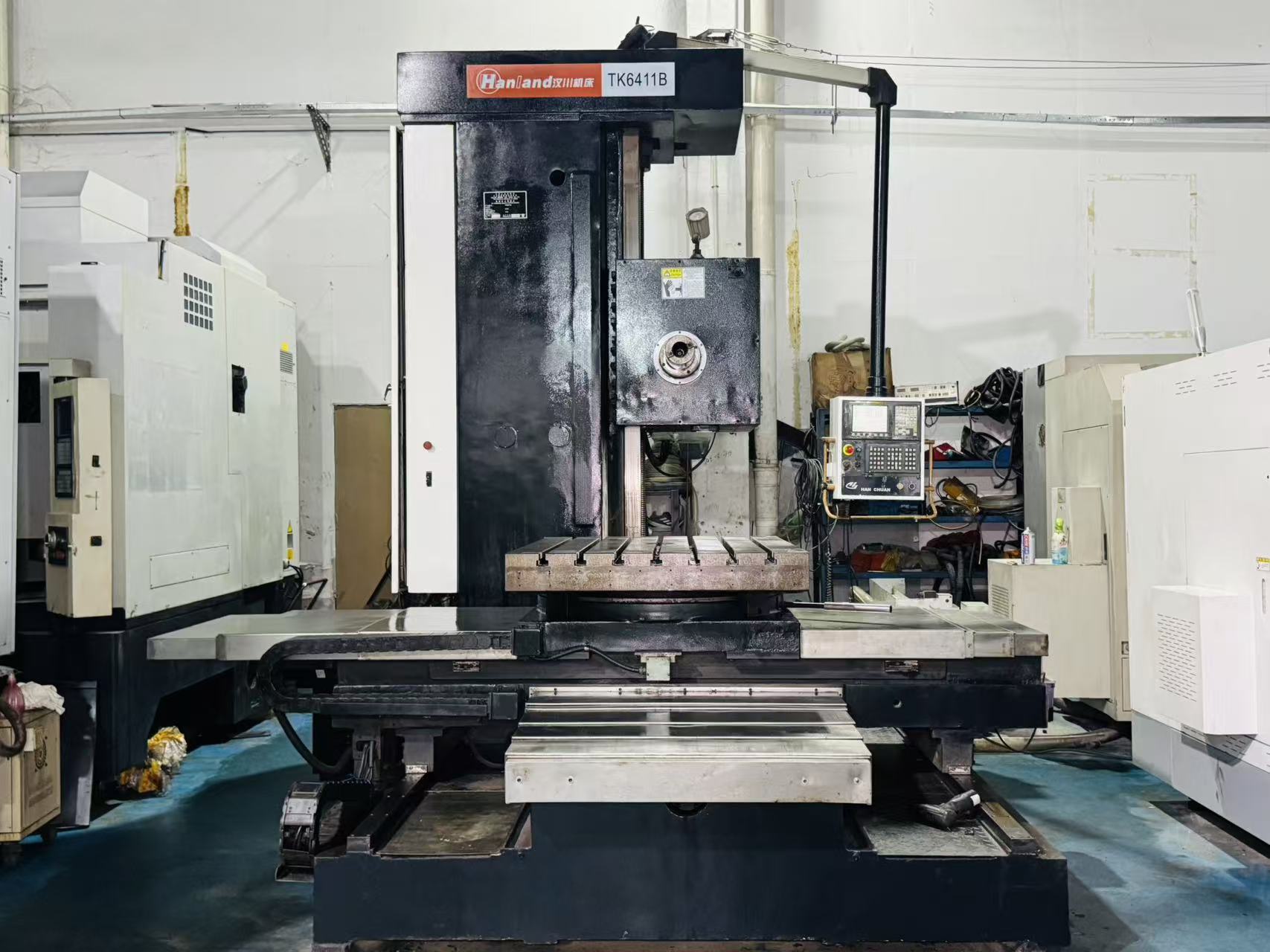
CNC Boring Machine Guide: Accuracy, Productivity and Application ConsiderationsFor repeat production of precision bores, a CNC boring machine should be evaluated against the part, batch size and required process sequence—not simply its control system. CNC motion and programmed cycles can improve consistency across repeated operations, but achieved accuracy also depends on machine condition, workholding, tooling, setup and measurement. Start with the production requirement Define the bore sizes and locations, workpiece material, number of operations, batch frequency and acceptance criteria. Include the full part envelope and the way parts will be loaded and clamped. These details determine whether the machine’s travel, spindle arrangement, workholding and tooling access suit the job. Ask suppliers to explain how they will demonstrate CNC boring machine accuracy on representative parts. Specify the measurement method, inspection locations and whether results should be checked after a warm-up or across repeated setups. A machine’s stated positioning performance is not, by itself, proof of finished-part accuracy. CNC control and repeatability The CNC system coordinates axis movement, spindle operation and programmed machining sequences. For recurring batches, saved programs reduce reliance on manual repositioning and make operation sequences easier to reproduce. Repeatability still depends on a stable datum, consistent clamping, tool condition, offset management and operator procedure. During evaluation, review the control functions the job actually needs: program storage and transfer, tool and offset management, cycle recovery, probing or measurement integration, and compatibility with the buyer’s programming workflow. Confirm who develops and validates the initial program, how revisions are controlled, and what operator training is included in the project scope. Productivity, automation and application fit Estimate cycle time from the complete sequence, including loading, clamping, tool changes, inspection and changeovers. Automation is worthwhile when it reduces a recurring constraint, such as frequent loading or unattended operation; its value depends on part variation, batch size, material flow and the need for in-process checks. Include integration, guarding, maintenance and recovery from interruptions in the assessment. Production scenario Assessment priority Configuration question Repeated parts in stable batches Program and setup repeatability Can proven workholding and tool offsets be reused? High-mix, low-volume work Changeover and programming effort How quickly can programs, tooling and fixtures change? Long cycles or frequent loading Utilization and operator time Would probing, automatic loading or monitoring address a real bottleneck? Large or complex workpieces Access, support and datum strategy Can the part be clamped and machined through the required sequence? Questions to resolve before specification How should accuracy be verified? Agree on a representative part test, inspection method and acceptance criteria before purchase. Does CNC automatically mean unattended production? No. Unattended running requires suitable part presentation, tool-life planning, monitoring, safety provisions and a defined response to faults. What should an automation quotation include? Clarify interfaces, fixtures, loading equipment, guarding, controls integration, commissioning responsibilities and operator training. Compare proposals using the same part, process sequence and production assumptions. This keeps CNC configuration, automation scope and expected output tied to measurable application needs.
-
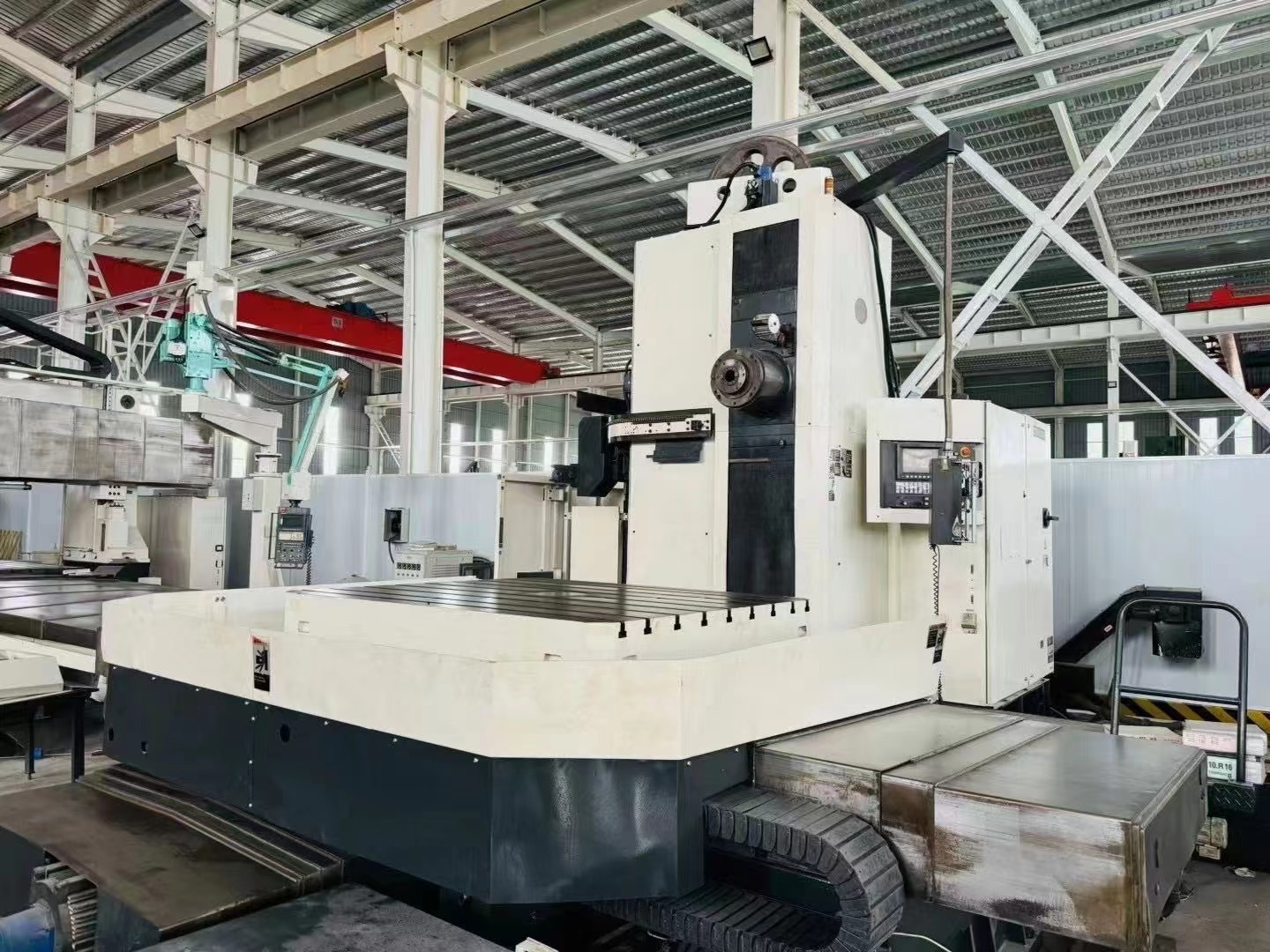
Line Boring Machine: How It Works and Where It Is UsedWhen pivot bores, bearing housings or aligned holes become worn or misaligned, replacing the entire structure is often unnecessary. A line boring machine restores the bore axis and machining surface directly on the component, usually with the equipment positioned at the repair site. This makes line boring useful for heavy machinery where dismantling and transport would create excessive downtime. What Line Boring Corrects Line boring repairs a series of holes that must share one accurate centerline. Typical problems include enlarged bores caused by load and wear, oval holes, damage from loose bushings, and misalignment between opposing supports. The process is different from general boring because the cutting tool travels along a supported boring bar that references the existing structure. The objective is not simply to enlarge one hole, but to restore the relationship between multiple bores. How the Line Boring Process Works The repair begins with an inspection of the component, bore condition and access restrictions. A technician then mounts the boring bar supports and drive unit securely around the workpiece. Alignment is established from the required centerline, existing bore geometry or the repair drawing. Once the bar is stable and correctly positioned, the cutter removes material progressively along the bore. Finishing may include a final machining pass and preparation for a replacement bushing or bearing. The repaired geometry is then inspected before reassembly. Stage Purpose Typical decision Inspection Assess wear, damage, access and reference points Confirm whether on-site line boring is suitable Setup Install supports, boring bar and drive system Choose stable mounting positions and cutter access Alignment Establish the required common bore axis Set the repair datum and verify bar position Boring Remove damaged material in controlled passes Select a sequence that protects rigidity and surface quality Finishing Complete the final bore surface and fit condition Prepare for bushing, bearing or pin installation Inspection Verify the finished bore and alignment Record measurements before equipment assembly Line Boring Machine Applications Common line boring machine applications include excavator boom and arm pivots, loader and crane joints, bulldozer frames, agricultural equipment, mining machinery, marine structures and industrial equipment with aligned bearing seats. The method is especially valuable where the component is too large to move economically or where removing it would interrupt production. Restoring the original centerline can also support accurate bushing installation and reduce uneven loading during operation. Why Buyers Specify On-Site Line Boring On-site line boring can reduce dismantling, heavy transport and machine downtime, but the result depends on access, structural rigidity, alignment references and the condition of surrounding material. Buyers should provide photographs, bore dimensions, component drawings if available, equipment model, site restrictions and the required repair outcome when requesting a field repair assessment. These details allow the service provider to confirm tooling suitability, measurement requirements and the practical scope of work. FAQ Can line boring correct two misaligned bores? Yes. When the component can be securely supported, the boring bar can establish a common axis and machine the related bores in line. The required reference and material condition must be assessed before work begins. Is line boring only used on heavy equipment? No. Heavy equipment is a major use case, but the process also applies to industrial, marine, agricultural and structural components with aligned bores that require restoration. What information is needed for a line boring quotation? Useful information includes bore locations and dimensions, photographs, equipment type, access conditions, material or bushing details, site location and any available drawings or measurement records.
-
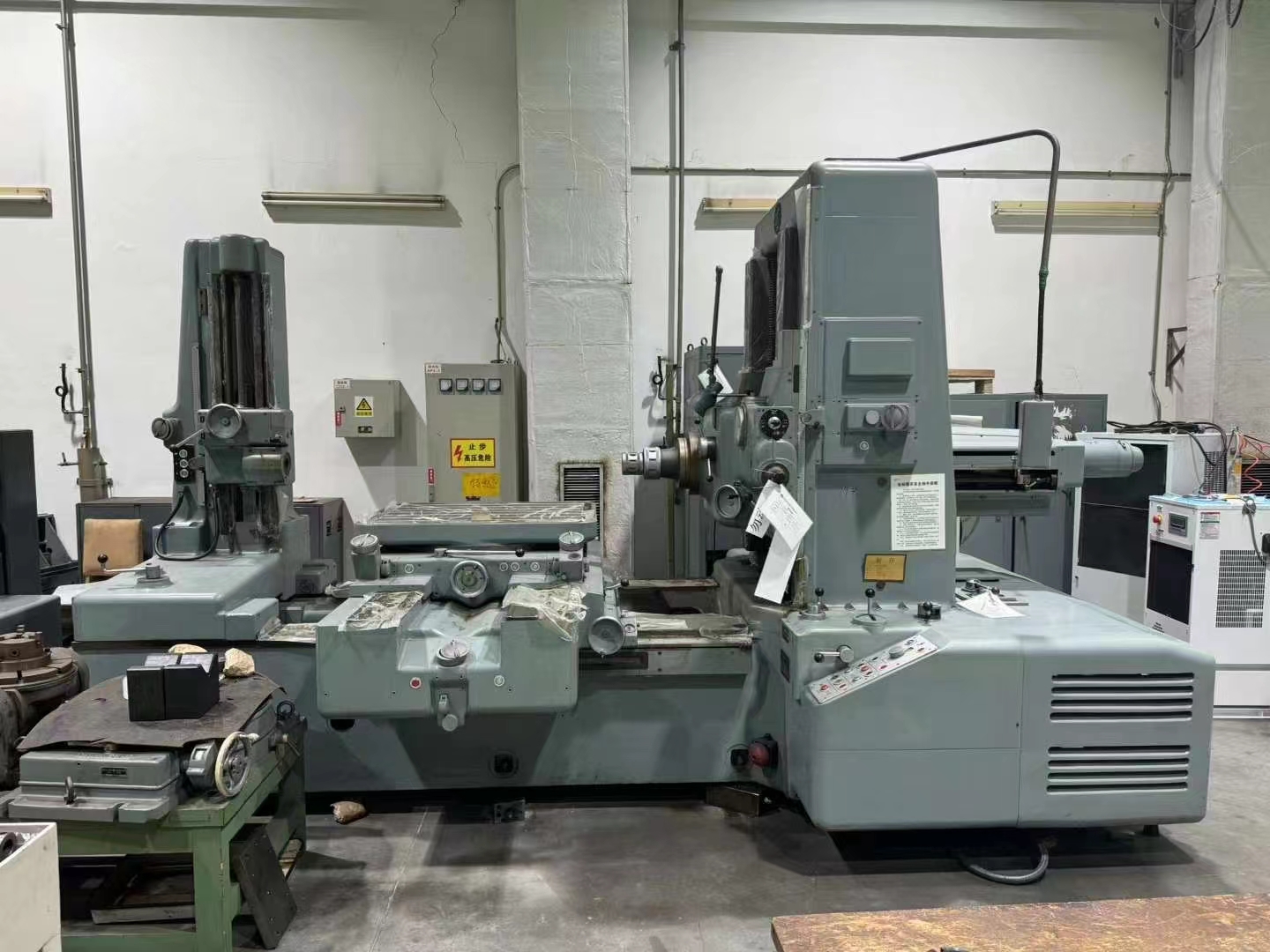
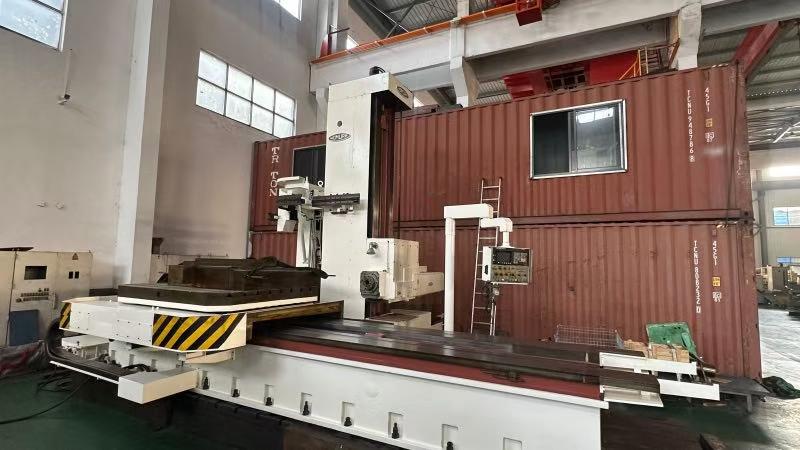
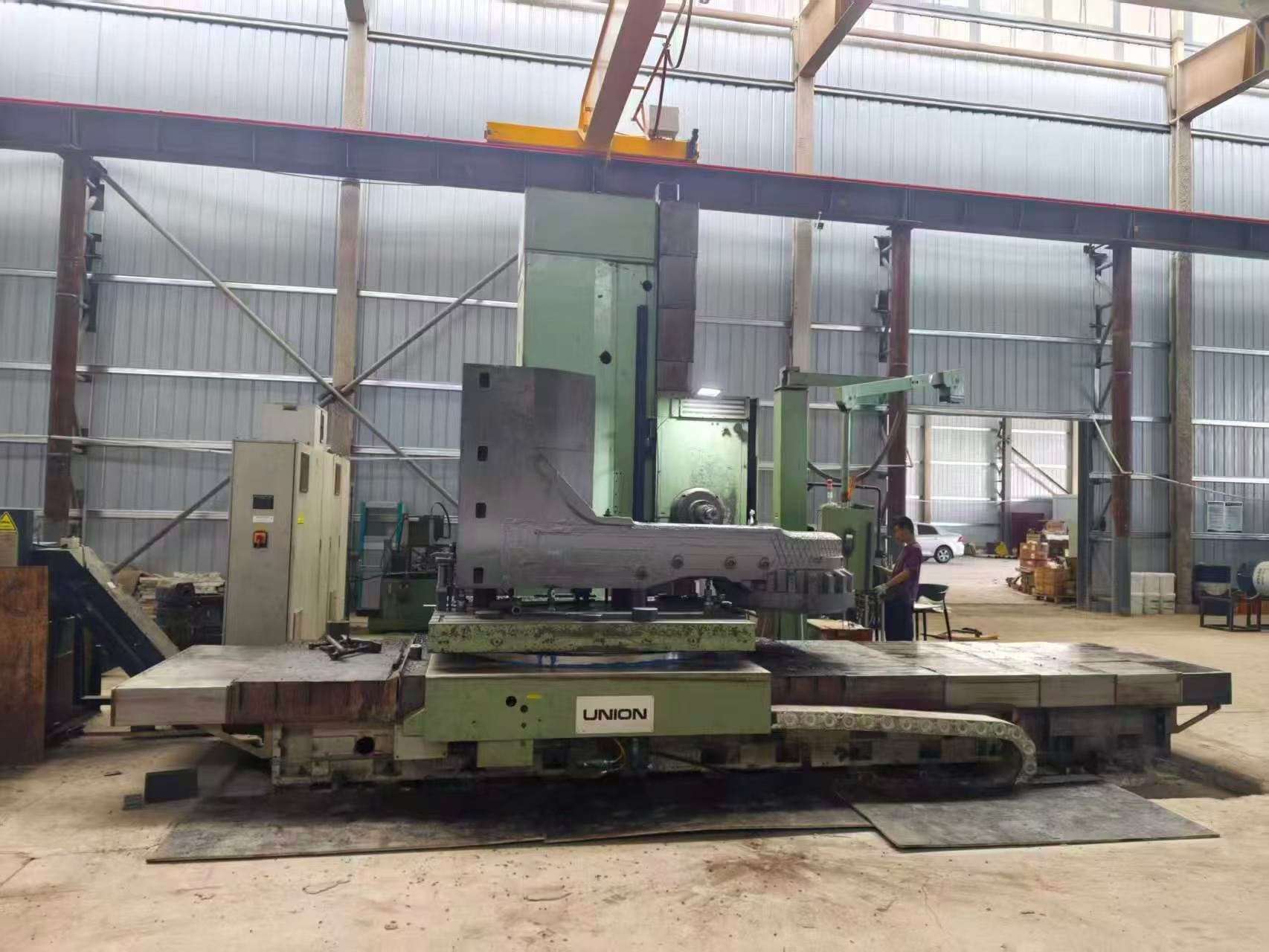
Horizontal Boring Machine: Applications, Key Features and Selection GuideWhen a workpiece is too large, heavy or structurally complex for a conventional machining center, a horizontal boring machine can provide the working envelope, spindle reach and rigidity required for accurate internal machining. Its horizontal spindle arrangement is suited to large castings, fabricated structures, gear housings and machinery bases that must be bored, drilled, milled or inspected in a controlled setup. The correct selection depends on more than nominal machine size. Buyers should match the machine to the workpiece envelope, required bore diameter, part weight, spindle travel, table or floor mounting arrangement, material and accuracy requirements. Why the Horizontal Configuration Matters In a horizontal boring machine, the spindle approaches the workpiece along a horizontal axis. This layout supports large components that are difficult to orient vertically and allows several related operations to be completed without repeatedly repositioning the part. For heavy workpieces, support from a rigid table, foundation or fixture helps control vibration and cutting deflection. The result is more predictable bore geometry, especially when machining deep holes, aligned bearing seats or multiple bores that must share a common centerline. Actual performance still depends on machine condition, tooling, fixturing, cutting parameters and operator practice. Key Selection Criteria for Large Workpieces Selection factor What to verify Why it affects the decision Workpiece envelope Maximum length, width, height and required access around the part Determines whether the component can be loaded, positioned and machined without interference Workpiece weight Table, foundation, fixture and loading-system capacity Insufficient support can increase vibration, deflection and setup risk Bore requirements Diameter range, bore depth, spindle travel and tool reach Defines whether the machine can complete the hole in one stable setup Accuracy and rigidity Required alignment, surface finish and repeatability, plus machine condition Heavy-duty boring demands structural stability throughout the cutting cycle Process scope Need for milling, drilling, tapping, facing or multiple setups Broader capability may reduce handling and secondary operations Horizontal Boring Machine Applications Common horizontal boring machine applications include machining hydraulic-cylinder housings, engine and transmission cases, pump bodies, gearbox housings, machine bases, construction-equipment components, shipbuilding parts and large welded fabrications. The machine is especially suitable when bore alignment, perpendicularity and positional accuracy matter across a large component. Fixed horizontal equipment is generally selected for planned production or heavy repair work in a machining facility, where the part can be transported to the machine and securely fixtured. Portable line boring equipment serves a different situation: it is used when the component is difficult to move and machining must be performed at the installation site. The decision should therefore begin with logistics and setup location, not only bore diameter. Questions Buyers Should Confirm Is a horizontal boring machine suitable for every large workpiece?Not necessarily. The part must fit the machine envelope, loading method and fixture arrangement, and its weight must be compatible with the supporting structure. Does a larger machine automatically provide better accuracy?No. Accuracy depends on rigidity, alignment, thermal condition, spindle and feed condition, tooling, fixturing and verification methods as well as nominal size. When should portable equipment be considered instead?Consider portable line boring when moving the damaged or installed component is impractical. Choose fixed horizontal equipment when controlled shop-floor setup, broader machining capability and repeatable workholding are the priority.
-
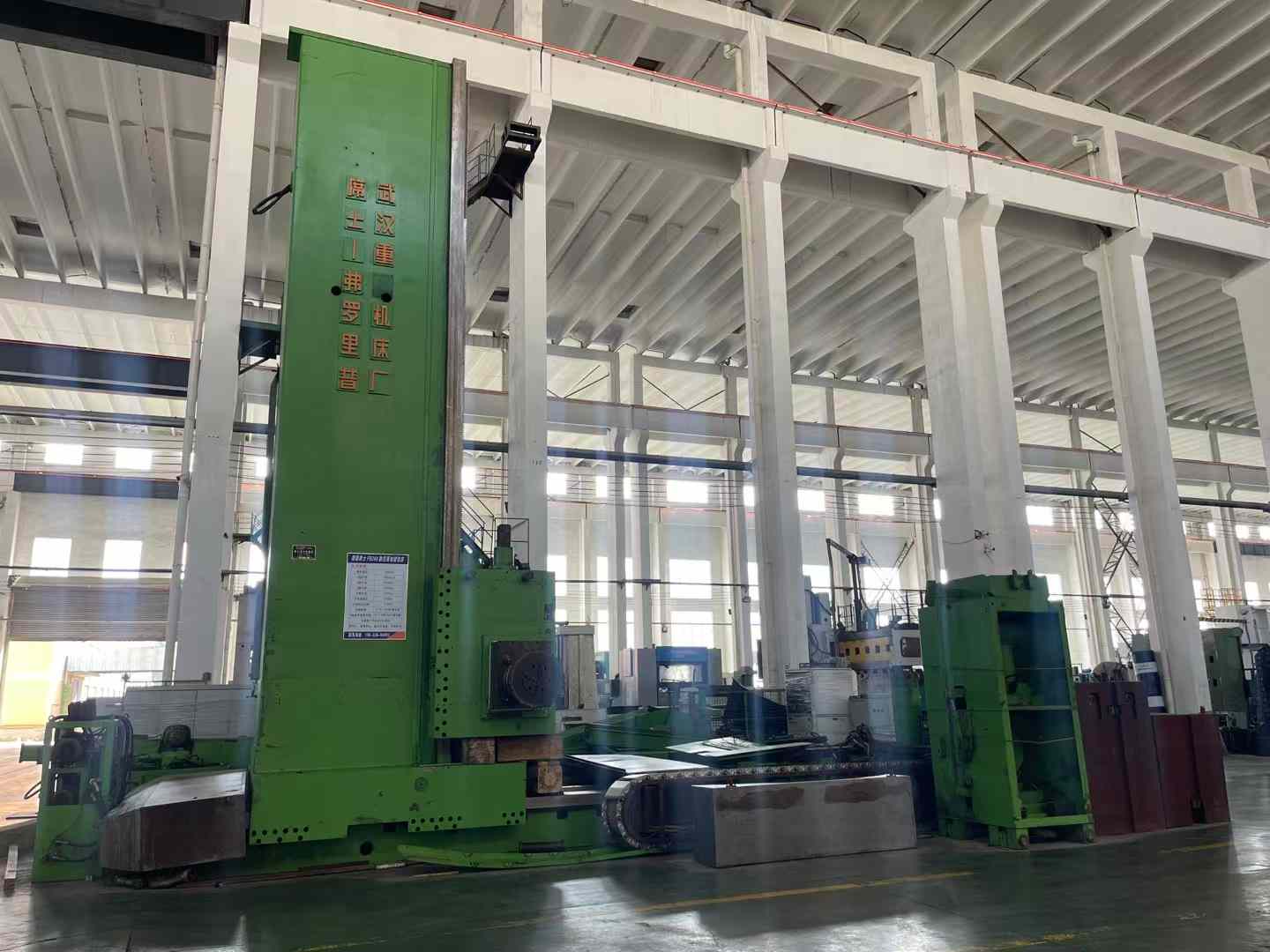
Boring Machine Cost Guide: What Affects the Price of Industrial Equipment?Two boring machines intended for similar repair work canreceive very different quotations because the price reflects more than the machine’s basic size. Machine type, working range, drive power, accuracy requirements, tooling and included automation all affect the final configuration. To compare a boring machine price accurately, compare the scope of supply and the job requirements, not just the headline figure. What drives the quotation? Price factor Why it affects cost Details to specify Machine type and setup Portable systems and larger stationary equipment have different structures and intended applications. Equipment type, work location and setup constraints Bore size and machining range Required diameter, bar length and travel determine the working envelope and compatible components. Minimum and maximum bore diameter, machining length and access Power and duty Drive requirements depend on the material, cutting conditions and expected workload. Workpiece material, typical jobs and operating frequency Accuracy and tooling Accuracy requirements and the tooling package influence component selection and what must be supplied. Required results, cutters, mounts and other tooling needs Automation and customization Controls, optional functions and non-standard configurations add scope to the build. Required automation, special interfaces and quantity Configuration matters more than a bare price A lower-priced machine may have a narrower machining range, fewer included tools or less automation. A higher quotation may include a broader configuration or options that are unnecessary for a particular job. Neither price alone establishes suitability. For a portable boring machine price comparison, check that the quoted setup can reach the bore, fit the available work area and perform the required operation. Accuracy should also be described in terms of the work to be done. Share the required result and relevant workpiece details so the supplier can quote a configuration against the application. Avoid comparing quotations that assume different tooling, accessories, automation or customization. Prepare information for a useful quote For a meaningful boring machine cost estimate, provide the bore diameter range, machining length, material, workpiece or equipment details, site access constraints and expected operating frequency. List required tooling, accuracy expectations, automation and any special mounting or interface requirements. Include the purchase quantity and identify which accessories should be included. Ask suppliers to show the proposed configuration and included items in the quotation. This makes differences easier to trace and helps prevent a low initial figure from omitting components needed for the intended work. Submit the same job information to each supplier when comparing offers. Frequently asked questions Why is one boring machine much cheaper than another? The machines may differ in type, working range, power, included tooling, accuracy-related configuration, automation or customization. Compare the quoted scope against the same application before judging the difference. What information is needed to quote a boring machine? Provide the required bore diameters and machining length, material, workpiece and site constraints, expected use, accuracy needs, tooling and automation requirements, customization details and order quantity. These details help suppliers quote a configuration suited to the job.
-
How to Select a Boring Machine Based on Bore Size, Accuracy and ApplicationSelecting a boring machine starts with the actual hole, not the machine catalogue. A machine that appears capable on paper can still be the wrong purchase when its boring range does not cover the smallest and largest bores, its setup cannot hold the required geometry, or its configuration does not suit the workpiece. The result may be unnecessary tooling, slow setups, restricted access, or a repair that cannot be completed in position. For buyers asking how to select a boring machine, follow a practical decision chain: define the bore size, establish the accuracy target, assess the application and workpiece condition, then match those requirements to a machine type. This approach keeps the specification focused on the parameters that affect whether the machine can perform the job. Start with the consequences of choosing the wrong size Buying a machine for only the most common bore size can create a costly operating gap. A machine may be unable to reach a larger occasional repair bore, while an oversized setup may lack the rigidity, tooling practicality or adjustment control needed for smaller work. Bore size also affects bar selection, cutter reach, drive arrangement and how the machine is supported and aligned. Before comparing machines, list the full bore envelope rather than a single nominal diameter. Include the smallest bore to be machined, the largest bore, typical bore depths, interrupted or damaged areas, and whether a bar must pass completely through the workpiece. For repair work, account for wear, ovality or weld build-up that may make the effective starting condition different from the original dimension. Match boring machine bore size to the real work range The stated boring machine bore size range should cover the job with usable adjustment room. Operating at the extreme low or high end of a machine's range may require special tooling or compromise the practical setup. Buyers should also distinguish between the diameter a machine can theoretically bore and the diameter it can machine under the required access, depth and alignment conditions. Parameter to define Why it affects selection Information to provide to a supplier Minimum and maximum bore diameter Determines whether the bar and cutting arrangement cover the full working range. Finished diameters and estimated starting diameters. Bore length or depth Affects bar length, support requirements and rigidity. Machined length, blind or through bore, and access from each side. Bore centre distance and spacing Determines whether multiple aligned bores can be machined in one setup. Centre-to-centre dimensions and number of bores. Workpiece access Influences mounting, bar installation and drive placement. Photos, clearance limits and obstruction locations. Material and bore condition Affects cutting method, tooling and expected machining time. Material where known, damage type, weld build-up or bushing condition. For example, a worn pivot bore on a large excavator attachment may require a portable setup because moving the structure is impractical. The bore diameter alone is not enough: the supplier also needs to know the bore length, whether adjacent bores must remain coaxial, and whether there is clearance to install and support the boring bar. Set the accuracy requirement before selecting the machine Boring machine accuracy is more than final diameter. The required result may include diameter control, roundness, straightness, surface finish, and alignment with one or more existing bores. In many field repairs, restoring the centreline relationship between pivot bores is as important as returning a bore to its nominal diameter. Define the acceptance requirement in functional terms. A bore intended to receive a replacement bushing needs an appropriate fit with that bushing. A pair of hinge bores may need to share a common axis so that the pin does not bind or wear unevenly. If drawings specify tolerances or geometric controls, provide them. If they do not, state the mating part, fit expectation and operating consequence of misalignment. Higher accuracy needs usually demand more attention to alignment, bar support, setup stability and measurement during machining. This does not automatically mean choosing the physically largest or most complex machine. It means choosing a machine and setup method that can maintain the required geometry in the available working environment. Use the application to determine the machine type Once bore size and accuracy are known, the application determines which machine arrangement is workable. The key question is whether the workpiece can be brought to a machine or the machine must be brought to the workpiece. Portable line boring for in-place repair Portable line boring is generally considered when the component is large, fixed in service, difficult to transport or part of a welded structure. Typical situations include equipment pivots, construction and mining attachments, booms, frames, industrial housings and other components with aligned bores. The machine must fit the available access and be aligned to the intended bore centreline. Its value comes from machining the bore in position, not simply from its nominal diameter range. Shop-based boring for removable components A shop machine may be more suitable when the component can be removed and fixtured securely, when controlled positioning is available, or when the work involves a broader series of operations. The deciding factor is the complete process: lifting and transport, setup time, datum control, bore orientation and repeatability across parts. Single bore versus aligned bore work A single damaged bore can often be approached as a diameter-restoration task. Multiple bores carrying the same pin or shaft require a line-boring perspective. In that case, confirm the distance between bores, the required common axis, available bar support locations and any obstructions between the bores. Selecting solely by the largest diameter may overlook the alignment requirement that defines the repair. A parameter-led selection checklist Record the bore envelope: minimum diameter, maximum diameter, starting condition and finished size. Map the bore geometry: length, number of bores, spacing, blind or through access, and required centreline relationship. State the accuracy target: diameter tolerance, fit, alignment and any drawing requirements. Assess the work environment: removable or fixed workpiece, mounting space, access, lifting limits and nearby obstructions. Identify the machining scope: boring only, or related operations such as facing, bushing preparation or weld build-up machining. Send complete job information: dimensions, drawings where available, photos and a description of the repair objective. Providing this information enables a supplier to assess machine range, bar configuration, support method and access suitability against the job. It is more useful than asking for a general-purpose recommendation without workpiece data. FAQ Should the machine's bore range exactly match my bore diameter? No. The required diameter should sit within the practical operating range, with consideration for tooling, access, bore depth and the needed adjustment margin. Confirm the actual job conditions rather than relying only on a headline diameter range. How do I choose between a portable boring machine and a shop machine? Choose based on whether the workpiece can be removed, transported and fixtured efficiently without compromising the repair. Portable line boring is often appropriate for large, installed or difficult-to-move structures; shop-based machining can suit removable components with stable fixturing and controlled access. What accuracy details should I provide for a bore repair? Provide the finished diameter, fit with the mating pin or bushing, tolerance if specified, bore length, and whether the bore must align with another bore. Photos and drawings can also clarify datums, access restrictions and the intended repair result. Can one machine handle both small and large bores? Some machines and tooling systems may cover a broad range, but suitability depends on the specific bore sizes, required rigidity, bar length, access and accuracy. A broad stated range should be checked against the full set of job parameters before purchase.
-
Boring Machine Buying Guide: Key Factors Every Industrial Buyer Should KnowWhen you are ready to buy a boring machine, the quality of the quotation depends heavily on the information in your RFQ. A request that only states “need a boring machine for heavy equipment repair” may produce quotations that are difficult to compare. The machine, tooling package, accuracy standard and after-sales scope may differ significantly between suppliers. This boring machine buying guide focuses on the practical checks that help industrial buyers prepare a clearer inquiry, evaluate comparable offers and reduce procurement risk. Start with the Workpiece and Repair Task Before comparing brands or prices, describe the work the machine must perform. Include the component type, material, hole location, repair method and working environment. For example, a quotation for repairing excavator boom pivots may require different configuration details from one intended for engine block work, structural fabrication or general maintenance. Your RFQ should identify: The workpiece or equipment category Original hole diameter and the required finished diameter Hole length, depth and whether the holes are blind or through-holes Required boring position, center distance and access limitations Workpiece material and expected repair frequency Required accuracy, surface finish or alignment result Whether the machine will be used in a workshop or on site Photos, drawings and dimensional sketches are especially useful. They allow an industrial boring machine supplier to recommend a configuration based on the actual job rather than a general product category. Buyer Checklist: What to Check in Every Quotation Area What to check Why it matters Capacity Boring diameter range, bar length, usable travel and workpiece access Confirms that the machine can complete the intended repair Accuracy How accuracy is defined, measured and verified Prevents vague claims from being treated as guaranteed results Configuration Main machine, drive unit, supports, mounting system and controls Reveals missing components and hidden purchase costs Tooling Cutters, tool holders, inserts, boring heads and adjustment method Determines whether the machine is ready for production use Power Motor type, voltage, frequency, phase and operating requirements Ensures compatibility with the installation site Spare parts Recommended consumables, replacement parts and availability Supports maintenance planning and reduces downtime risk Service terms Warranty scope, technical support, documentation and response process Clarifies the supplier’s responsibility after delivery Check the Configuration, Not Just the Machine Price Two quotations may show similar prices while offering very different levels of completeness. Ask each supplier to list the standard configuration and optional items separately. The quotation should make clear whether it includes the boring bar, drive motor, mounting brackets, support stands, alignment equipment, control box, tooling and operating documentation. Pay close attention to the boring bar system. Confirm the bar diameter, usable length, support arrangement and adjustment method. The bar must suit the required hole size and working distance, while the supports must be practical for the workpiece geometry. If several bar sizes or support options are available, ask the supplier to identify which combination is recommended for your application. For mobile or field repair work, also check transport, lifting, setup and power requirements. A compact machine may still require substantial preparation if the mounting method is unsuitable for the equipment being repaired. Compare Diameter Range and Accuracy Properly Do not compare a quoted hole diameter range without understanding the conditions behind it. Ask whether the stated range applies to a particular boring bar, cutter, support arrangement or machining method. Confirm the minimum and maximum practical diameter, not only the theoretical adjustment range. Accuracy should also be described in measurable terms. Ask what accuracy refers to: diameter, straightness, concentricity, alignment or repeatability. Request the inspection method and the conditions used for verification. If the final result depends on workpiece setup, clamping, support rigidity or operator adjustment, those factors should be acknowledged in the technical discussion. For critical repairs, provide the required tolerance and alignment information before the quotation is finalized. A supplier should be able to state which results the proposed configuration is intended to achieve and which conditions must be controlled by the buyer. Review Tooling and Spare-Part Support Tooling is often overlooked during the initial purchase. Ask whether cutters, tool holders, inserts and adjustment tools are included, and identify which items are consumables. Check the available cutter materials and sizes against the materials you expect to machine. Request a recommended spare-parts list for normal operation. This may include cutting tools, inserts, bearings, belts, electrical components or other wear parts, depending on the machine design. The supplier should also clarify part numbers, ordering procedures and expected availability. These points are important when the machine will support urgent maintenance work or operate far from the supplier’s service location. Assess the Supplier Before You Place the Order When you compare an industrial boring machine supplier, evaluate the quality of the technical response as well as the commercial offer. A capable supplier should ask relevant questions about the workpiece, hole geometry, accuracy requirements, power supply and operating environment. Before placing an order, verify: Whether the quoted configuration matches your RFQ Whether technical drawings, manuals and electrical information are supplied How the machine is inspected before shipment What installation or commissioning support is available How technical questions and spare-parts requests are handled Which warranty exclusions and buyer responsibilities apply Do not assume that a low initial price represents the lowest total cost. Missing tooling, unsuitable power requirements, unclear warranty coverage or difficult spare-parts access can increase the cost of ownership after delivery. Prepare a Better RFQ Before You Buy A strong RFQ should include drawings or photographs, hole dimensions, material information, target accuracy, expected workload, site conditions and required delivery configuration. Ask suppliers to return a line-by-line quotation with technical specifications, included accessories, optional items, spare parts, warranty terms and delivery assumptions. This format makes supplier responses easier to compare and gives both sides a clearer basis for discussing the machine. It also helps identify technical gaps before payment, production or shipment. FAQ: Questions Buyers Often Miss Does the quoted boring diameter cover the complete working range? Not necessarily. Ask which bar, cutter and support configuration applies to each part of the stated range, and confirm the practical minimum and maximum diameter. Are all accessories included in the quoted price? Request an itemized list. Mounting equipment, additional supports, tooling, alignment devices and spare parts may be optional unless they are specifically stated as included. What accuracy information should be included in an RFQ? State the required finished diameter, tolerance, alignment or concentricity requirement, and any surface-finish expectation. Ask the supplier how each result is measured. Which spare parts should be ordered with the machine? Ask for a recommended initial spare-parts package based on your expected workload, operating location and access to local maintenance support. What should be checked in the warranty terms? Review the coverage period, excluded parts, buyer responsibilities, technical support process, shipping responsibilities and the procedure for reporting a problem. What information should be sent before requesting a final quotation? Send workpiece photos or drawings, hole dimensions, material, required accuracy, site power information, intended application and the accessories you expect to receive. This gives the supplier enough technical context to prepare a more useful offer.
-
How to Choose the Right Boring Machine for Industrial ApplicationsChoosing a boring machine usually begins with a practical problem: a worn pivot bore on an excavator, an out-of-round bearing housing, a large fabricated component that needs accurate machining, or a production part that requires repeatable internal diameters. The right choice depends less on the machine label and more on where the work happens, how the bore must be restored, and how consistently the required result must be achieved. A boring machine that is well suited to in-shop work may be impractical at a mine, shipyard, construction site, or equipment yard. Conversely, a portable unit can be the efficient answer for in-place repair but may not be the preferred option for high-volume machining. A sound boring machine selection process starts with the component and working conditions, then compares machine configurations against those requirements. Recognize When a Boring Machine Is the Right Solution Industrial boring is typically required when an existing hole needs to be enlarged, aligned, resurfaced, or restored to a controlled diameter. Common situations include worn pin bores in construction equipment, damaged bearing seats, misaligned mounting holes, gearbox housings, structural fabrications, and large machine frames. Before purchasing an industrial boring machine, determine whether the job involves: Restoring a worn or damaged bore to accept a pin, bushing, bearing, or sleeve. Correcting the alignment of two or more coaxial holes. Machining an internal diameter after welding, sleeving, or fabrication. Creating accurate bores in large workpieces that cannot be moved easily. Producing repeatable bore geometry in a controlled manufacturing environment. If the part can be transported and production repeatability is the priority, a fixed machine may be appropriate. If moving the component would cause excessive downtime, transport cost, or disassembly work, on-site boring equipment deserves close consideration. Start With the Actual Bore and Work Envelope The bore itself establishes the first set of selection limits. Measure the current diameter, target diameter, bore length, wall condition, and the distance between related holes. Also consider whether facing, counterboring, weld buildup machining, or bushing-seat preparation will be required during the same setup. Do not evaluate diameter in isolation. A machine must also accommodate the boring bar length, tool travel, available mounting area, and access around the component. For example, a repair may appear straightforward based on bore size but become difficult when the machine must operate inside a confined equipment frame or between closely spaced structural members. Ask suppliers to confirm the usable working range for the configuration being quoted, including the tooling and mounting arrangement needed for the intended job. This is more useful than comparing a headline capacity without considering the complete setup. Boring Machine Selection Table Machine Type Best-Fit Applications Main Advantage Points to Evaluate Portable boring machine Field repair, heavy equipment, large fixed assets, limited-access locations Machining can be completed at the workpiece location Mounting method, site power, access, transport weight, operator setup requirements Portable line boring machine Aligned pin bores, bearing housings, articulated equipment, structural bores Restores alignment across one or multiple bores Boring bar support, alignment method, bore spacing, weld-repair workflow Horizontal boring machine Large shop-based workpieces, housings, frames, heavy fabrication Rigid machining platform for substantial components Table capacity, work envelope, handling equipment, floor space, setup time CNC boring machine Repeat production, complex geometry, controlled machining programs Programmable repeatability and process consistency Part volume, programming needs, fixturing, inspection process, operator capability Match the Machine Type to the Job Location Portable Boring Machines for On-Site Repair A portable boring machine is often selected when the component is too large, too costly, or too disruptive to remove. This is common in earthmoving equipment, cranes, agricultural machinery, ship repair, industrial plants, and heavy fabrication. The key advantage is reduced component movement. However, field performance depends on secure mounting, correct alignment, stable power supply, sufficient access, and the ability to protect the machining area from site conditions. Procurement teams should assess the complete field workflow, including transport cases, setup tools, cutting tools, measuring equipment, and operator training. Line Boring Machines for Coaxial Bore Repair A line boring machine is designed for work where the relationship between bores matters as much as the diameter of each individual hole. Typical examples include boom and stick pivots, loader frames, hinge points, and multi-bore bearing supports. For these repairs, the machine must establish a reliable centerline through the bore set. The chosen system should suit the number of bores, their spacing, the available support locations, and the repair sequence. When weld buildup is part of the job, consider how the equipment will be repositioned for machining after welding and cooling. Horizontal and CNC Machines for Controlled Shop Work Horizontal boring machines are generally suited to large, transportable workpieces requiring stable shop machining. They can be a practical choice for fabricated structures, large housings, and components that benefit from a rigid fixture and controlled working environment. CNC boring machines become more relevant when parts are repeated, multiple features must be machined in defined locations, or the process requires program-based consistency. Their value is strongest when production volume, part complexity, and quality-control requirements justify the investment in programming and fixturing. Balance Accuracy, Rigidity, Power, and Portability Accuracy requirements should be stated in the job specification before equipment is selected. Consider final diameter, roundness, straightness, bore-to-bore alignment, surface condition, and the fit required for the mating pin, bushing, or bearing. The machine is only one part of achieving the result; fixturing, alignment practice, cutting tools, measurement, and operator method are equally important. Rigidity affects cutting stability and finish, particularly on larger diameters, longer bores, or welded repair areas. Power should be evaluated against the material, cutting depth, tooling, and expected duty cycle. At the same time, more power or a heavier machine is not automatically better for field repair. A portable system must remain practical to transport, mount, and operate safely at the job site. The most effective industrial boring machine is therefore the one that provides adequate rigidity and capability without creating unnecessary handling or setup burdens. Questions to Put to a Manufacturer or Supplier Supplier support can materially affect the value of a boring machine purchase, especially where the application is unusual or the equipment will be used across several types of repairs. Rather than relying only on a standard product description, provide drawings, photographs, bore dimensions, material information, and job-site constraints for application review. Useful procurement questions include: Which configuration is appropriate for the planned bore sizes, lengths, and access conditions? What mounting, alignment, facing, or weld-repair accessories are needed for the full job? Which consumables and replacement parts should be planned for routine operation? Can the supplier provide application guidance, operating documentation, training options, or technical support? For OEM requirements, can the supplier discuss configuration, branding, packaging, documentation, and supply-chain expectations? For buyers managing fleets, repair centers, or equipment distribution, it is also important to assess parts availability and the supplier's ability to support a consistent equipment package over time. These points should be verified during sourcing rather than assumed from a product listing. FAQ: Selecting an Industrial Boring Machine Should I choose a portable boring machine or move the part to a workshop? Choose portable equipment when removing the component creates excessive downtime, cost, or disassembly effort. Workshop machining may be preferable when the part is readily transportable and the job benefits from fixed-machine capacity, controlled fixturing, or repeated production. When is line boring necessary? Line boring is necessary when two or more bores must share a common axis, such as pivot points, hinge bores, or aligned bearing locations. It is particularly valuable when wear has caused misalignment as well as diameter loss. Is the largest bore capacity the most important buying criterion? No. Bore range matters, but mounting access, boring length, alignment requirements, power source, tooling, portability, and the types of components being repaired are often equally important. Select for the jobs performed most often, while allowing reasonable capacity for planned work. What information should be prepared before requesting a quotation? Provide the existing and finished bore dimensions, bore length, material, number and spacing of related bores, required finish or fit, photographs or drawings, available workspace, power conditions, and whether welding or facing is required. This information helps a supplier recommend a workable configuration rather than a generic machine. Make Selection Around the Full Repair or Production Process A successful boring machine selection connects the equipment to the complete machining task: inspection, mounting, alignment, cutting, measurement, and final fit. Begin with the actual component and job location, then compare portable, line boring, horizontal, and CNC options according to the work envelope and production need. By defining bore requirements, access constraints, accuracy expectations, power availability, and future application range before purchase, industrial buyers can select equipment that supports productive repair or machining work without paying for capability that does not fit their operation.
-
Best Automatic Lathe Machines for Metal ProcessingBest automatic lathe machines for metal processing depend on part geometry, batch size, tolerance, and the buyer’s ability to support the control system. A well-inspected used automatic lathe can deliver strong repeatability and a lower unit cost than a new machine. Choosing an Automatic Lathe Machine type Best fit Typical capability Main risk Cam automatic lathe Very high-volume simple parts Fast fixed-cycle turning Limited changeover flexibility CNC turning center Mixed batches and complex profiles Turning, drilling, threading Control and turret repair cost Swiss-type CNC lathe Long, small-diameter precision parts Guide bushing and live tools Guide-bushing wear affects accuracy For shafts, fittings, fasteners, bushings, and hydraulic components, prioritize bar capacity, spindle bore, tool stations, chip evacuation, and automation compatibility. Swiss-type machines are usually the strongest choice for slender parts where deflection control matters. Accuracy, Life, and Inspection A maintained CNC automatic lathe commonly retains useful production accuracy for many years, but calendar age is less important than spindle hours, crash history, lubrication quality, and preventive service records. Check actual test cuts rather than relying only on nameplate specifications. Inspection point Acceptance focus Selection impact Spindle Noise, heat, vibration, runout Surface finish and bearing cost Axes and ballscrews Backlash, repeat positioning, smooth travel Diameter and length consistency Turret and tools Indexing accuracy, clamp force, live-tool noise Cycle reliability Hydraulics and lubrication Leaks, pressure stability, oil delivery Service life and downtime Control system Alarms, backup, drives, screen condition Parts availability and recovery risk Common faults include spindle-bearing noise, turret misindexing, axis backlash, hydraulic leakage, bar-feeder synchronization errors, and obsolete drives. Require a cold start, continuous cycle test, sample-part measurement, and a recorded alarm history. FAQ Which machine is best for small precision parts? A Swiss-type CNC lathe is usually best for long, thin, high-volume precision components. Can a used lathe still hold tight tolerances? Yes, when spindle condition, axis repeatability, tooling, and thermal stability pass measured test cuts. What accuracy test should a buyer request? Request spindle runout, axis backlash, repeatability data, and measured samples produced from the target material. What faults create the highest repair risk? Spindle bearings, obsolete CNC drives, turret assemblies, and damaged ballscrews usually create the largest unplanned cost. Are China suppliers suitable for export projects? Yes, provided they demonstrate export experience, compliant packing, clear documents, spare-parts support, and defined after-sales service. Conclusion Match machine architecture to the part, verify condition with live tests, and price future support alongside purchase cost. Contact a reliable Chinese supplier for an inspected machine list and a current quotation.
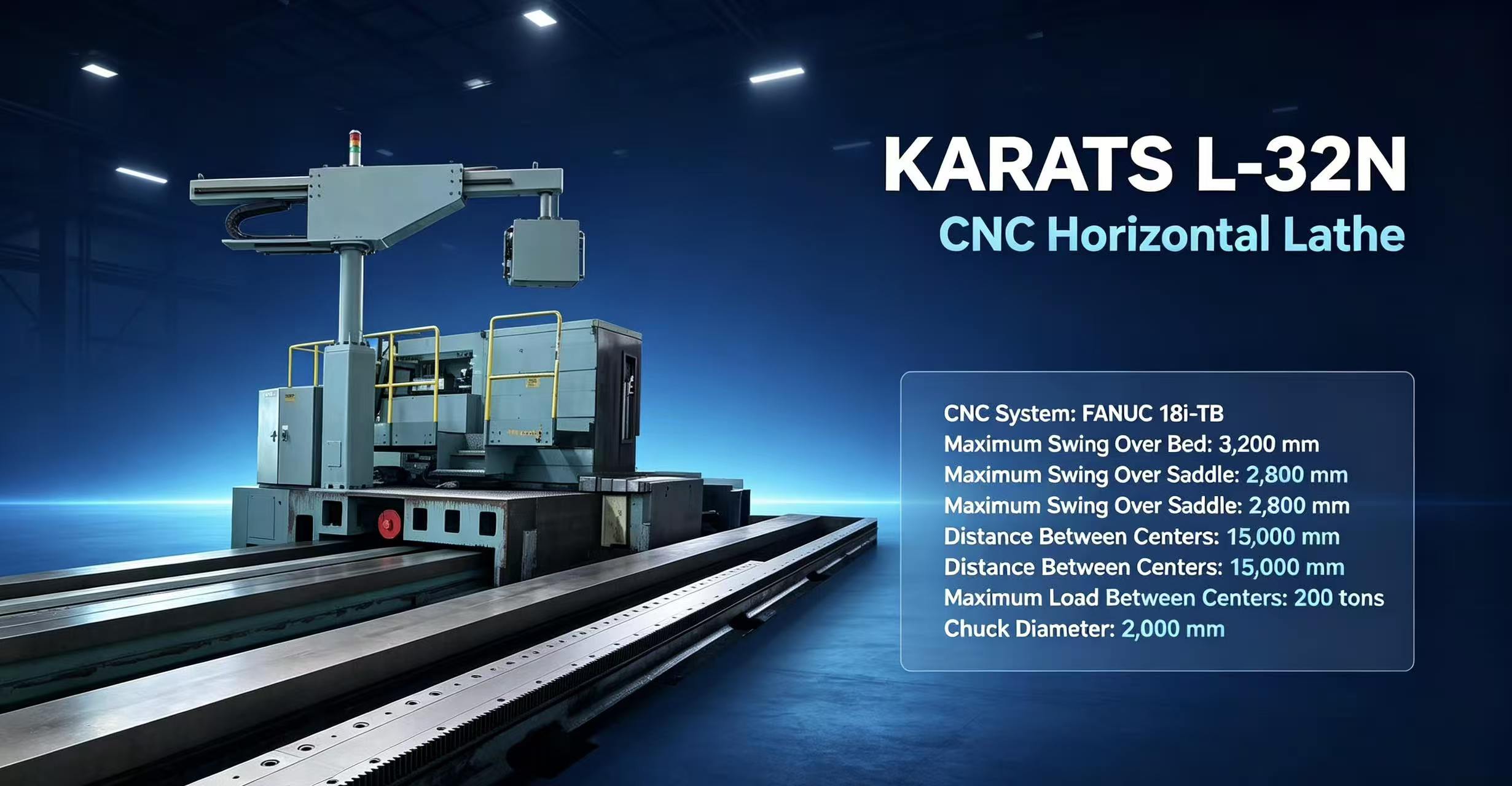
-
Industries That Use Automatic CNC Lathe MachinesAutomatic CNC lathe machines support high-volume turned parts where repeatability, cycle time, and unattended running determine unit cost. They are widely used for shafts, pins, fittings, fasteners, bushings, and precision connectors. Core Industries and Part Requirements Industry Typical Parts Key Requirement Automotive Sensor bodies, pins, valve parts Stable batch accuracy and traceability Medical Implant components, instrument fittings Fine finish and burr control Electronics Connectors, terminals, camera rings Small-diameter precision Hydraulics Fittings, sleeves, valve spools Concentricity and sealing surfaces Aerospace Fasteners, lightweight alloy parts Material control and inspection records Machine Selection and Accuracy Retention Swiss-type automatic lathes suit long, slender workpieces and complex small parts; turret lathes are more economical for larger diameters and general production. A well-maintained used machine can retain practical production accuracy, but condition matters more than its nameplate year. Machine Type Best Fit Selection Risk Swiss-type Small, long precision parts Guide bushing and spindle wear Turret CNC lathe General turned components Turret indexing error Cam automatic lathe Very high-volume simple parts Limited changeover flexibility Inspection Before Purchase Checkpoint What to Verify Test cut Diameter stability, taper, roundness, surface finish Spindle Noise, heat, vibration, runout Axes and ballscrews Backlash, repeat positioning, lubrication Control system Alarm history, program operation, backup availability Tooling system Collets, holders, live tools, availability of replacements Common faults include spindle-bearing noise, hydraulic leakage, worn collets, servo alarms, and unstable bar feeding. Service life is extended by clean coolant, scheduled lubrication, correct bar stock, and prompt replacement of worn guide bushings and seals. FAQ Which industry benefits most from automatic CNC lathes? Automotive, electronics, medical, and hydraulics benefit most where many identical precision parts are required. Can a used automatic lathe still hold tight tolerances? Yes, after a test cut confirms spindle condition, axis repeatability, and thermal stability. What is the main risk in a low-priced machine? Hidden wear, obsolete controls, and unavailable parts can exceed the initial savings. How should buyers verify machine condition remotely? Request a live video test cut, measurement report, alarm screen check, and detailed machine serial information. Are spare parts available from Chinese suppliers? Reliable suppliers stock common consumables and can source compatible electrical, hydraulic, and tooling parts. Conclusion Select the machine by part geometry, required tolerance, service support, and verified condition, not price alone. Request a current quote and inspection package from a reliable Chinese supplier with export and spare-parts capability.
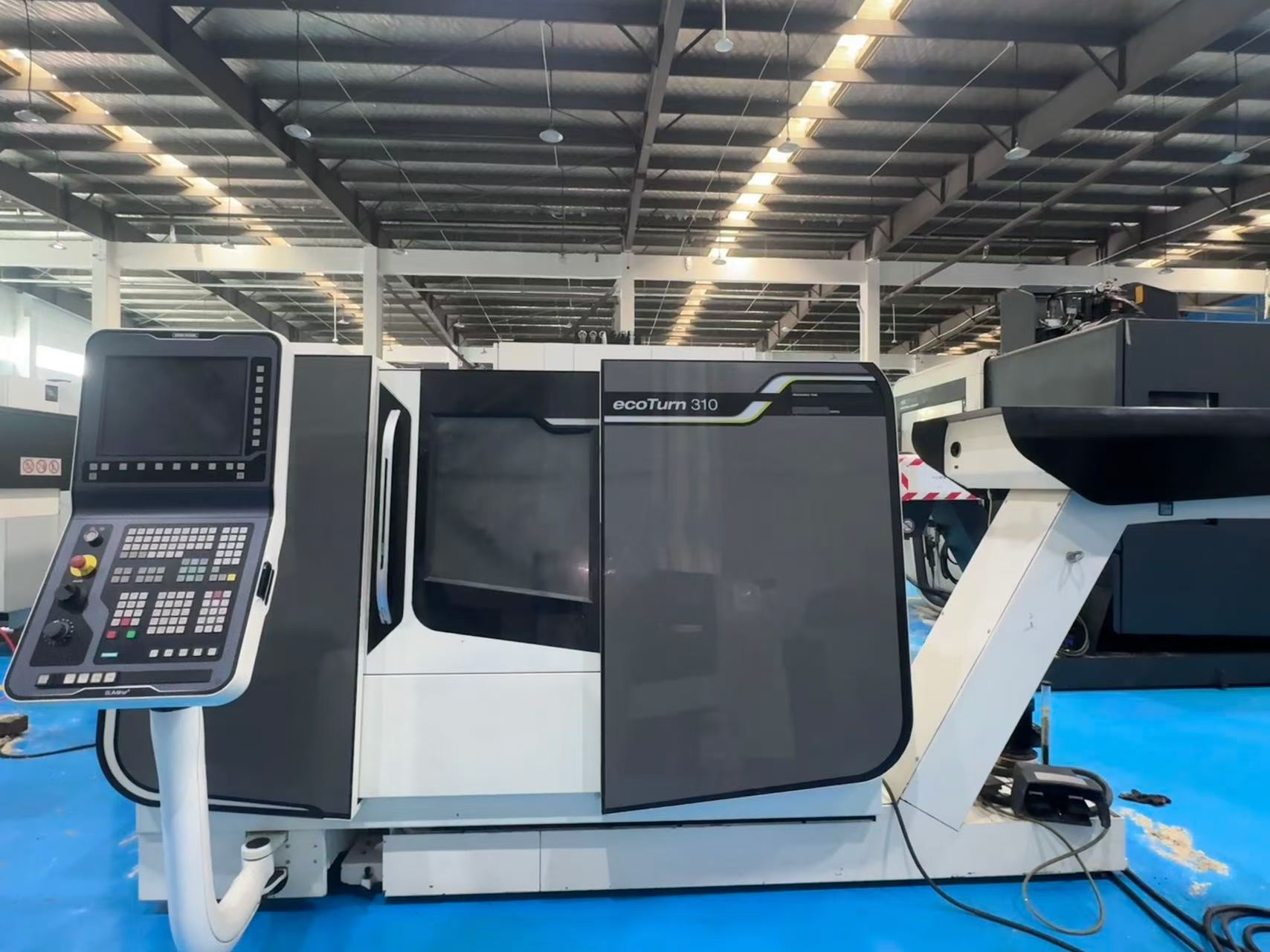
-
What Is an Automatic Lathe Machine Used For?Automatic lathe machines produce repeated turned parts with minimal operator intervention. They are used where cycle time, consistency, and low piece cost matter more than one-off flexibility. Primary Uses and Suitable Parts Cam-type automatic lathes suit high-volume simple parts; CNC automatic lathes handle more complex geometry, short-to-medium batches, and faster changeovers. Typical work includes shafts, pins, bushings, threaded fittings, connectors, screws, and small hydraulic or automotive components. Machine type Best use Typical risk Single-spindle cam automatic Very high-volume standard parts Cam wear and limited flexibility Multi-spindle automatic Maximum output for small parts Complex setup and costly repair CNC automatic lathe Precision mixed batches and complex profiles Control, servo, or hydraulic faults Accuracy, Service Life, and Fault Control A sound used machine can retain practical production accuracy when its bed, spindle bearings, collets, slides, and feed system are maintained. Check actual sample parts rather than relying only on nameplate tolerance. Well-serviced mechanical machines often remain productive for 15–25 years; CNC life depends heavily on spindle hours, control support, lubrication discipline, and crash history. Inspection point What to check Selection implication Spindle Noise, heat, radial runout Bearings may require major expense Slides and bed Backlash, scoring, taper on test cut Wear reduces repeatability Hydraulics/pneumatics Leaks, pressure stability, clamping Causes inconsistent cycle operation Electrical/control Alarms, cabinet condition, backup files Obsolete components increase downtime Practical Purchase Checks Run the machine through a full automatic cycle and verify safety interlocks. Measure runout, backlash, surface finish, and dimensional repeatability on a test part. Confirm bar capacity, tooling availability, power specification, and installation footprint. Request maintenance records, serial number verification, video inspection, and a spare-parts list. Used-Machine Cost Guide Category Indicative used price Best buyer Cam automatic lathe US$3,000–15,000 Standard fastener producers Multi-spindle automatic US$15,000–80,000 High-output component factories CNC automatic lathe US$12,000–70,000 Precision subcontractors Price varies with brand, age, condition, tooling, control generation, and overhaul status. A low purchase price can be false economy when commissioning, retrofit, or unavailable parts are ignored. Why Source From China Experienced China-based suppliers can offer broad used inventory, competitive export pricing, pre-shipment testing, crating, documentation, and consolidated shipping. Prefer suppliers able to provide applicable CE or other requested compliance documents, condition reports, remote troubleshooting, commissioning guidance, and stocked consumables such as collets, belts, seals, sensors, and electrical parts. FAQ What is an automatic lathe mainly used for? It efficiently manufactures repetitive round or bar-fed parts such as pins, fittings, screws, and shafts. Can a used automatic lathe still hold precision? Yes, when spindle condition, slide wear, alignment, lubrication, and test-cut results are acceptable. Which faults are most common? Spindle-bearing noise, slide backlash, hydraulic leaks, worn collets, electrical failures, and CNC alarm issues are common. Is a cam machine or CNC machine better? Choose cam machines for stable, very high-volume parts; choose CNC for frequent changes or complex dimensions. What documents should an exporter provide? Request specifications, test video, inspection report, packing list, export documents, and available certification records. Are spare parts available for older machines? Wear parts are often available, but confirm control and proprietary mechanical parts before ordering. Choose a reliable Chinese supplier that proves machine condition, export capability, and parts support. Request a current quote with test results and delivery terms.
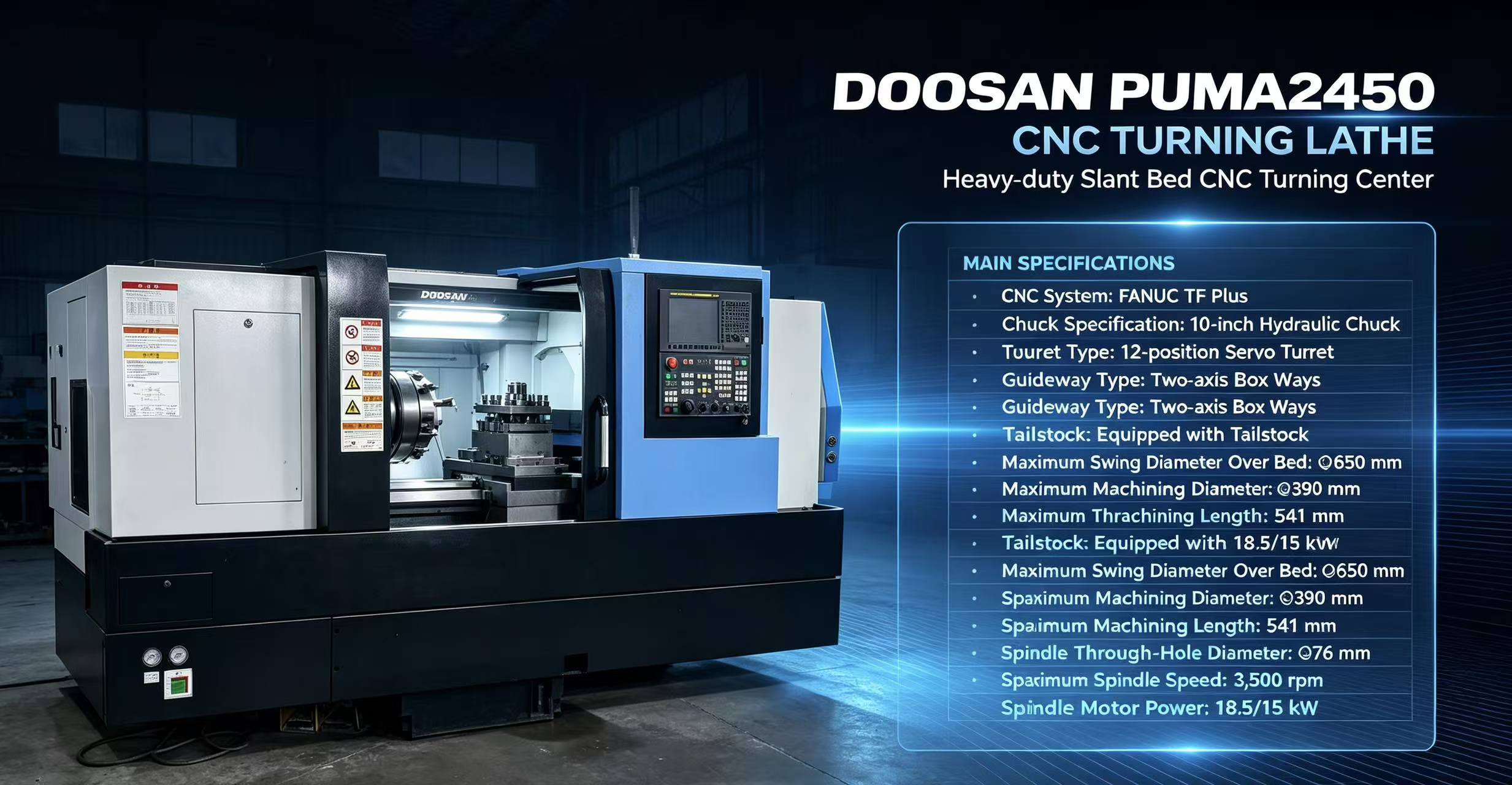
-
Why Buy Used Automatic Lathe Machines from China?China is a practical sourcing market for used automatic lathes because buyers can access broad inventory, competitive refurbishment costs, and export-capable support. The value depends on disciplined inspection, not simply the lowest offer. Why Source Used Automatic Lathes from China? Chinese suppliers commonly stock cam-operated, Swiss-type, and CNC automatic lathes from domestic, Japanese, Taiwanese, and European brands. Export specialists can arrange crating, sea freight documentation, pre-shipment testing, and remote commissioning support. A properly rebuilt unit can provide 5–10 further years of productive service for standard precision parts. Machine type Typical used price Best use Selection risk Cam automatic lathe US$3,000–12,000 High-volume simple turned parts Cam and clutch wear Entry CNC lathe US$8,000–25,000 Flexible small batches Control or drive obsolescence Swiss-type CNC lathe US$18,000–70,000 Long, small precision parts Guide bushing and sub-spindle condition Accuracy, Life, and Common Faults Accuracy retention is governed by spindle bearing condition, bedway wear, ball-screw backlash, turret repeatability, and thermal stability. For a sound used CNC machine, practical repeatability should be verified against the supplier’s stated specification; do not rely on a static dial reading alone. Common faults include spindle noise, hydraulic leakage, lubrication alarms, worn collets, unstable servo drives, and intermittent encoder errors. Pre-Purchase Inspection Checklist Check Acceptable evidence Running test Video of cold start, speed changes, and automatic cycle Test part Measured diameter, runout, surface finish, and repeatability Mechanical condition No abnormal spindle vibration; controlled backlash and turret play Control system Alarm history, backup files, electrical cabinet photos Service history Repair records, replaced parts, and inspection report China Supplier Value and Risk Control Established China-based suppliers offer cost performance through local sourcing and refurbishment labor, often at 30–60% below comparable new equipment. Prioritize suppliers with export records, quality-management certification, clear machine serial records, acceptance testing, multilingual manuals, and defined after-sales response. Confirm availability and lead time for bearings, collets, belts, seals, drives, and control boards before payment. Cost item Used China supply New-equipment alternative Initial investment Lower Higher Delivery flexibility Stock-dependent, often fast Factory lead time Warranty scope Usually limited, negotiate clearly Usually broader Technology life Must verify controls and parts Current platform FAQ Are used automatic lathes from China reliable? They can be reliable when inspected under load, supplied with test results, and supported with service parts. How much accuracy loss is acceptable? It depends on the workpiece tolerance; require a machined sample and repeatability test matching your production need. Should I buy refurbished or as-is? Refurbished machines reduce startup risk, while as-is units suit buyers with in-house maintenance capability. What certifications matter? Supplier quality-management certification, export documentation capability, and applicable electrical compliance records are useful checks. Which spare parts should be ordered first? Order wear items such as collets, belts, seals, filters, sensors, and critical control backups with the machine. Can a supplier provide remote support? Export-oriented suppliers should offer video troubleshooting, wiring diagrams, parameter backups, and spare-parts identification. Buy on Verified Condition, Not Price Alone Request a live inspection, test-cut report, parts list, and written after-sales terms. Contact a reliable Chinese supplier for current stock and a quotation matched to your part size, tolerance, and output target.
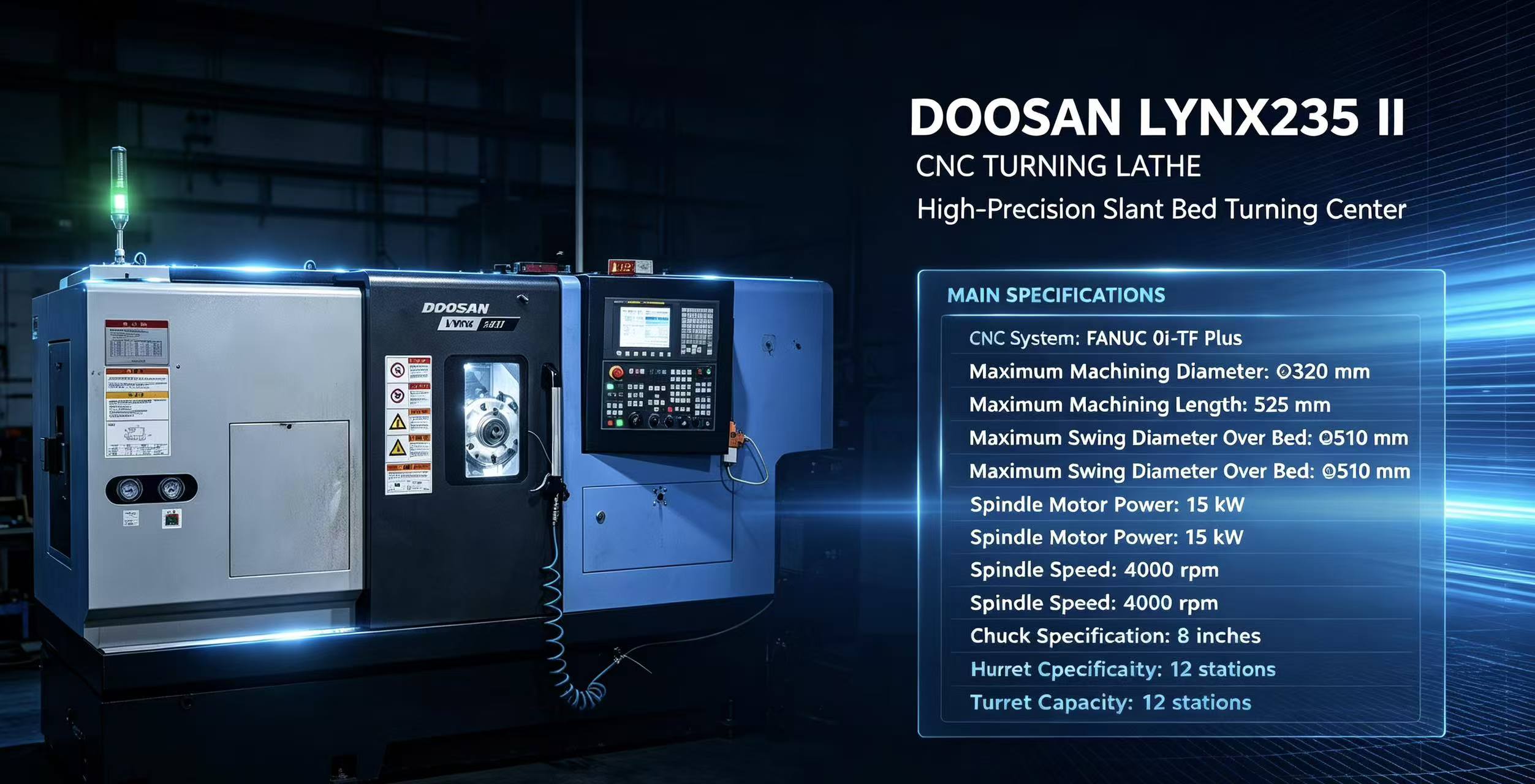
-
Used Automatic Lathe Machine for Sale WorldwideUsed automatic lathe machines provide a practical route to high-volume turning capacity without the lead time and capital cost of new equipment. For worldwide buyers, condition verification and supplier capability determine whether a low purchase price becomes a reliable production asset. Used Automatic Lathe Machine for Sale Worldwide What Buyers Should Assess A well-maintained cam-operated or CNC automatic lathe can retain stable repeatability for years when spindle bearings, guideways, collets, lubrication, and control components are within specification. Typical remaining service life is 5-12 years for a properly rebuilt machine, but heavily worn feed systems, obsolete controls, and unavailable parts create material selection risk. Machine type Typical work Used price range Main risk Cam automatic lathe Small pins, screws, fittings US$3,000-15,000 Cam and clutch wear Single-spindle CNC lathe Precision shafts, bushings US$8,000-35,000 Control and servo age Swiss-type CNC lathe Medical and electronics parts US$18,000-80,000 Guide bushing accuracy Inspection Before Shipment Checkpoint Acceptance focus Spindle Measure runout, noise, heat, and speed stability Axes and slides Check backlash, repeatability, way damage, and lubrication Tooling system Confirm collet, turret, feeder, and change-part availability Trial cutting Verify diameter, surface finish, cycle time, and scrap rate Electrical system Test alarms, drives, safety devices, and documentation Request a cold-start video, spindle runout report, sample-part test, machine serial number, and packing photographs. Accuracy claims should be supported by measured results, not appearance or repainting. China Supplier Value Established China-based suppliers combine broad used-machine sourcing with competitive refurbishment costs and export packing experience. Prefer suppliers able to provide inspection records, relevant quality certification, export documents, remote commissioning support, and stocked wear parts such as collets, belts, seals, sensors, relays, and hydraulic components. Cost item Direct as-is purchase Inspected Chinese supplier Initial price Lower Moderate Condition evidence Often limited Test data and video Export support Buyer-managed Crating and documentation After-sales response Uncertain Parts and technical support FAQ Can a used automatic lathe hold tight tolerances? Yes, after measured verification, alignment, and trial cutting; condition matters more than machine age. What accuracy should be checked? Check spindle runout, axis backlash, repeat positioning, workpiece diameter variation, and surface finish. Are old controls a concern? Yes. Confirm backup availability, drive condition, electrical drawings, and an upgrade path before purchase. Should buyers choose rebuilt equipment? Choose rebuilding when it includes documented replacement of wear components and a witnessed test, not cosmetic painting alone. Which spare parts should be ordered initially? Order consumable seals, belts, collets, sensors, contactors, filters, and model-specific tooling where available. Can a Chinese supplier arrange worldwide delivery? Experienced exporters can arrange seaworthy packing, shipping documents, and remote installation guidance. Choose a reliable Chinese supplier that can prove machine condition, support export delivery, and quote the right configuration for your current parts. Request a current quotation with inspection data before ordering.