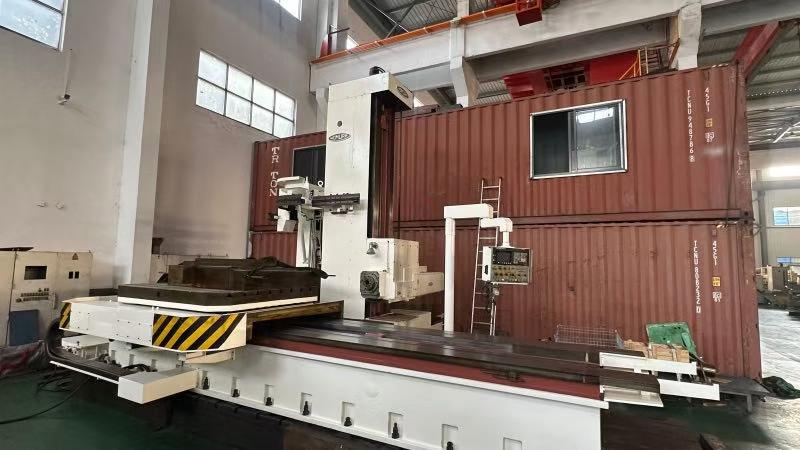
CNC Machining Center Buying Guide: How to Choose the Right Machine for Your Business
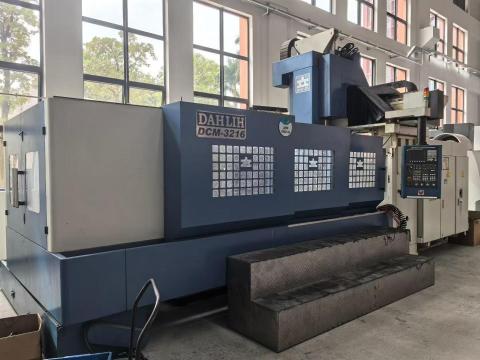
The right CNC machining center must handle your parts, meet drawing requirements and support your production schedule within an affordable total cost. This CNC Machining Center Buying Guide follows that decision sequence: define the work, select the configuration, verify specifications and compare complete purchase proposals.
Start with representative parts and production targets
Prepare drawings covering your largest workpiece, hardest material and most demanding features. Record material grades, finished dimensions, tolerances, surface finish, batch sizes and annual demand. Include fixture dimensions and weight: a part that fits the table may still lack adequate tool access.
Set a realistic cycle-time target that includes loading, tool changes, probing and inspection. For mixed production, setup time and programming effort can matter as much as cutting speed.
Match the machine type to the work
A vertical machining center is often a practical starting point for general milling, plates and accessible components. A horizontal machining center warrants consideration for repeated machining on multiple faces, particularly when pallet handling and chip evacuation support the production plan.
Consider five-axis capability when complex geometry or fewer setups justify the programming, workholding and verification requirements. Distinguish indexed positioning from simultaneous five-axis cutting; the required toolpaths determine which capability you need.
Verify specifications against the complete setup
| Requirement | Relevant parameter | Buyer verification |
|---|---|---|
| Part and fixture fit | Axis travel, table load, spindle clearance | Check the complete setup and tool approach throughout travel. |
| Material removal | Spindle torque, power, speed range | Match the torque curve to intended tools and cutting conditions. |
| Drawing compliance | Positioning accuracy, repeatability, thermal behavior | Agree on a representative cutting and measurement procedure. |
| Production continuity | Tool capacity, coolant, chip removal | Allow for required tools, sister tools and material-specific chips. |
Maximum spindle speed alone does not establish productivity. Check controller functions, CAM postprocessor compatibility and any required software licenses before committing.
Build the budget and purchase checklist together
Compare total installed cost, including freight, rigging, utilities, tooling, fixtures, software, commissioning and training. Then assess maintenance, consumables, service access and likely downtime.
- Request an itemized quotation identifying included options and exclusions.
- Confirm floor loading, access dimensions, electrical supply and compressed-air requirements.
- For used equipment, review service records and arrange checks of spindle condition, axis motion, lubrication and tool changing.
- Document acceptance criteria, delivery responsibilities and agreed support terms in writing.
Buyer FAQ
What should take priority when the budget is limited?
Protect work-envelope fit, cutting capability and required accuracy first. Defer optional automation if current volumes do not justify it, while checking whether later upgrades are feasible.
How can buyers compare different machine proposals fairly?
Give each supplier the same drawings, materials, batch assumptions and acceptance requirements. Compare the proposed process, complete configuration and installed cost on that shared basis.
More Articles
-
What to Consider When Buying a Boring Machine from a ManufacturerA boring machine manufacturer should be evaluated against your repair or production task—not simply its catalog range. Before requesting a quotation, provide workpiece drawings, bore dimensions, material, access restrictions, required geometry and finish, and expected duty cycle. For portable line boring, include mounting locations and site power. These details let you assess whether the supplier can engineer a workable solution rather than merely quote a machine. Check who controls engineering and production Ask which activities the supplier performs directly: design, machining, assembly, control integration and final testing. Outsourcing is not automatically a weakness; unclear responsibility is. A credible industrial boring machine supplier should identify who controls critical components, supplier qualification and corrective action. Request a live factory walkthrough or an independent audit covering machines comparable to your proposed configuration. General workshop footage does not establish application competence. Ask an engineer to explain the proposed setup, tooling reach, support arrangement and limitations. Manufacturer Evaluation Checklist Area Evidence to request Risk to resolve Engineering Application review and proposed configuration Unverified assumptions about access, rigidity or tooling Production control Process responsibilities and critical-component records Uncontrolled substitutions or unclear accountability Quality control Inspection plan, calibration records and sample reports Claims unsupported by measurement Machine testing Agreed cutting test and acceptance report No-load demonstration mistaken for machining proof Lifecycle support Parts list, warranty terms and service procedure Downtime without a clear recovery route Make acceptance measurable before ordering Agree on factory acceptance testing before paying a deposit. Define the test material, tooling, setup, cutting conditions, measurements and pass/fail criteria. A spindle-running video cannot demonstrate bore accuracy or surface finish under load. For a boring machine factory, quality evidence should connect component inspection, assembly checks and final testing to the delivered machine. Specify who witnesses testing, which records accompany shipment, and how failures are corrected and retested. Where site conditions affect results, distinguish factory acceptance from commissioning checks. Verify customization and post-delivery responsibility For custom configurations or OEM/ODM projects, document design ownership, branding, drawing approval, software access and change control. Confirm whether modifications affect parts availability or service documentation. Request written warranty coverage, exclusions, claim procedures and responsibility for labor, travel and freight. Verify spare-part identification, quoted availability, remote troubleshooting and commissioning arrangements. For exports, clarify packing, shipping documents, destination compliance responsibilities and manuals; export capability alone does not establish suitability for your country. Supplier audit and procurement FAQ Is a factory visit essential? Not always. A live remote audit, independent inspection and witnessed cutting test can reduce risk. Higher-value or heavily customized projects justify deeper verification. How should competing manufacturers be compared? Issue the same application brief and acceptance requirements. Compare documented technical fit, exclusions and support obligations—not headline price or claimed factory size.
-
Boring Machine Maintenance Guide: How to Keep Equipment Running ReliablyReliable boring machine maintenance starts with controlling contamination, friction, cutting forces and alignment errors before they become downtime. A practical maintenance program should follow the machine’s operating conditions and manufacturer instructions rather than rely on one fixed service interval. Before inspection or cleaning, isolate power and secure moving components according to the applicable safety procedure. Cleanliness and lubrication protect moving components Chips, abrasive dust and coolant residue can enter slideways, bearings, gearboxes and electrical enclosures. This contamination increases friction and can cause sticking, accelerated wear or overheating. Remove chips with suitable tools, wipe exposed surfaces, and keep slideways, feed screws, spindle areas and clamping surfaces free from debris. Do not direct high pressure air toward bearings, seals or control cabinets. Check lubrication points, oil levels and grease condition against the machine manual. Confirm that lubricant reaches the intended bearing, slideway or gear. Excess lubricant can attract abrasive material, while insufficient lubricant increases temperature and wear. Inspect for leaks and identify the source before simply adding more lubricant. Inspect tools, boring bars and alignment A damaged insert or dull cutter increases cutting force and may produce vibration, poor surface finish and oversize bores. Check inserts, holders and tool clamping before each job. Replace damaged cutting edges and verify that the tool is seated securely. Record recurring edge damage because it may indicate excessive load, poor chip evacuation or incorrect cutting conditions. The boring bar is especially sensitive to deflection, runout and unsupported length. Inspect the bar for scoring, bending, damaged threads and worn mounting surfaces. Clean the bar, holder and spindle interface before assembly. If the machine shows taper, chatter or inconsistent bore size, check tool runout, workpiece clamping and machine alignment before changing cutting parameters. Check the drive, motor and electrical system Abnormal noise, heat, vibration, odor or unstable speed can indicate problems in the motor, drive, bearings or power connections. Keep cooling paths clear and inspect accessible cables, connectors, switches and protective devices for damage or looseness. Electrical enclosure filters and fans should remain clean so heat can escape. When an alarm, repeated trip or irregular motion occurs, stop the machine and record the operating condition, alarm code and recent maintenance work. Qualified personnel should test electrical components and determine whether the cause is mechanical resistance, a control fault or a power issue. Maintenance checklist and spare parts planning Maintenance Item Recommended Check Cleaning Remove chips, dust and coolant residue from slides, tooling, guards and work areas. Lubrication Verify lubricant level, delivery and leakage using the machine manual. Tooling and boring bar Check inserts, runout, mounting surfaces, deflection and clamping security. Motor and electrical system Inspect cooling, cables, connectors, alarms, vibration and abnormal temperature. Storage Clean, dry and protect exposed machined surfaces; release or secure components as specified. For long-term storage, clean and dry the machine, apply the specified corrosion protection, cover it in a dry ventilated area and follow the manufacturer’s instructions for batteries, lubricants and movable axes. Keep commonly replaced inserts, seals, filters, fuses and other model-specific items identified by part number. Confirm compatibility before ordering; the correct spare part depends on the machine version and assembly. FAQ How often should a boring machine be maintained? Use operating hours, load, environment, coolant exposure and manufacturer guidance to set inspection intervals. Cleaning and visual checks may be needed more frequently in abrasive or high-chip environments. What should be checked when bore accuracy changes? Inspect the tool edge, boring bar runout, clamping, spindle condition, lubrication and machine alignment. Check one factor at a time and document the result. Which spare parts should be kept available? Identify wear items and failure-prone components from the machine manual and service history. Verify part numbers, revisions and interchangeability with the equipment supplier before purchase.
-
Boring Machine Bore Diameter: How to Choose the Right Machining RangeChoosing the correct boring machine bore diameter starts with the workpiece, not the machine catalogue. The finished bore, existing hole condition, access length and material determine whether a machine can complete the job efficiently. A quoted maximum diameter alone does not show whether the machine can enter the smallest hole or maintain a practical setup across the full machining range. Start with the workpiece and the finished bore Record the smallest and largest bore diameters that the machine must produce. Also note whether the hole is a through bore, blind bore, stepped bore or aligned set of holes. Measure the available access around the workpiece and the distance from the mounting position to the bore centerline. The minimum bore diameter must allow the boring bar, cutting tool and any required support components to enter the hole with safe clearance. The maximum bore diameter must include the actual cutting diameter required after considering the existing hole, machining allowance and finishing pass. If a job involves several bore sizes, use the complete range rather than selecting the machine from the largest size only. Use the real boring machine working range Workpiece condition Range to verify Why it matters Small existing hole Minimum tool and bar entry diameter Determines whether the tool can reach the bore without interference. Large repair bore Maximum finished cutting diameter Confirms that the machine can remove the required material and finish the bore. Deep or offset bore Boring bar length and support position Controls reach, clearance and the usable portion of the diameter range. Stepped or multiple bores Complete diameter sequence Shows whether one configuration can cover the job without repeated changes. The usable boring machine working range is narrower than a headline range when the workpiece requires a long reach, large material removal or restricted access. Confirm the machine's operating diameter at the required boring bar length, because a configuration suitable for a short bore may not provide the same practical capability at greater depth. Match boring bar length, tooling and material Boring bar length should be based on the distance from the mounting point to the deepest cutting location. Select the shortest bar that reaches the required position while preserving clearance. Excessive length can reduce rigidity and limit practical cutting conditions, especially in hard steel or interrupted repair surfaces. Tool selection also affects the usable bore range. Small diameters may require compact cutters and suitable insert clearance; larger diameters may require a different bar, cutter arrangement or support method. Cast iron, carbon steel, alloy steel and other materials can require different cutting tools and machining approaches. These choices should be confirmed together with the diameter and reach rather than treated as separate specifications. Submit actual dimensions for configuration confirmation Before ordering, provide the supplier with the smallest and largest finished bore, existing bore sizes, bore depth, workpiece material, machining allowance, access restrictions and required bore locations. A drawing or clear dimensional sketch allows the supplier to confirm the machine range, boring bar length and tooling configuration for the actual repair or production task. FAQ Is the maximum bore diameter enough for machine selection? No. The minimum bore, required reach, cutting allowance and tool clearance are equally important. A machine may reach the largest diameter while being unsuitable for the smallest hole or deepest section. How does boring bar length affect the machining range? A longer bar extends reach but can change the practical working range because access, rigidity and tool clearance become more restrictive. Confirm the diameter range at the required reach. What information should be sent for a bore range check? Send the real workpiece drawing or dimensions, finished bore range, existing hole sizes, bore depth, material, allowance and access conditions. These details support configuration confirmation before purchase.
-
Boring Machine Applications in Construction Equipment RepairWhen a pin joint develops play, replacing the pin alone may not solve the problem. Wear can leave the housing bore oval, tapered or out of alignment. A boring machine for construction equipment repair restores the bore so the joint can be fitted with a correctly sized pin or bush. This work is often performed on the machine in the field when removing a large component would add substantial downtime. Where bore wear occurs on construction equipment Repeated articulation, impact loading, inadequate lubrication and contamination can wear the bores that support pins and bushes. The repair target is the damaged joint bore, not simply the visible pin. Before machining, the technician needs to identify the joint layout, access, material condition and the relationship between connected bores. Equipment Typical bore Repair purpose Excavator Boom, arm and bucket pin bores Restore pin fit and joint alignment Loader Lift-arm and bucket pivot bores Correct wear at heavily cycled pivots Backhoe Dipstick, boom and stabilizer pin bores Re-establish fit across linkage joints Crane Boom and linkage pivot bores Address wear at structural articulation points Hydraulic equipment Cylinder-end and mounting pin bores Restore the connection between cylinder and structure How boring repair addresses the damage Construction equipment boring repair typically starts with inspection and measurement. The repair team checks bore diameter, roundness, wear pattern and alignment with related bores. If the housing is suitable for repair, a portable line boring setup machines the damaged bore to a controlled, consistent diameter. Depending on the repair plan, the bore may then receive a bush, or be finished to suit the specified pin or bearing arrangement. Where two or more bores form one pivot line, their alignment matters as much as the individual diameters. Machining them in a common setup can help restore the intended axis. The required dimensions and fit should come from the equipment specification or an agreed repair drawing; they should not be assumed from the pin size alone. Field conditions shape the repair plan Access, nearby structures, available setup space and the condition of the surrounding material affect whether on-site boring is practical. Cracks, severe distortion, damaged welds or a bore near a highly loaded structural area may require additional inspection or a different repair sequence. The machine must also be isolated and securely supported before work begins, following site and equipment safety procedures. For a field assessment, document the machine and joint location, report the symptoms, and provide measurements or photographs where available. Confirm whether connected bores need to be machined on the same axis, whether a bush will be installed, and what final fit is required. These details help establish a realistic repair scope before equipment is mobilized. Frequently asked questions Which excavator parts commonly need bore repair? Boom, arm and bucket pin joints are common locations, as are other pivot connections showing looseness or uneven wear. Inspection determines whether the bore, pin, bush or several parts need attention. Can loader pivot bores be repaired on site? Often, but feasibility depends on access, setup conditions, damage severity and the required machining sequence. A site assessment can establish whether portable boring is appropriate. Does every worn bore need a new bush? No. The repair method depends on the equipment design, bore condition and specified fit. Confirm the intended finished dimensions and component arrangement before machining.