Boring Machine Applications in Construction Equipment Repair
When a pin joint develops play, replacing the pin alone may not solve the problem. Wear can leave the housing bore oval, tapered or out of alignment. A boring machine for construction equipment repair restores the bore so the joint can be fitted with a correctly sized pin or bush. This work is often performed on the machine in the field when removing a large component would add substantial downtime.
Where bore wear occurs on construction equipment
Repeated articulation, impact loading, inadequate lubrication and contamination can wear the bores that support pins and bushes. The repair target is the damaged joint bore, not simply the visible pin. Before machining, the technician needs to identify the joint layout, access, material condition and the relationship between connected bores.
| Equipment | Typical bore | Repair purpose |
|---|---|---|
| Excavator | Boom, arm and bucket pin bores | Restore pin fit and joint alignment |
| Loader | Lift-arm and bucket pivot bores | Correct wear at heavily cycled pivots |
| Backhoe | Dipstick, boom and stabilizer pin bores | Re-establish fit across linkage joints |
| Crane | Boom and linkage pivot bores | Address wear at structural articulation points |
| Hydraulic equipment | Cylinder-end and mounting pin bores | Restore the connection between cylinder and structure |
How boring repair addresses the damage
Construction equipment boring repair typically starts with inspection and measurement. The repair team checks bore diameter, roundness, wear pattern and alignment with related bores. If the housing is suitable for repair, a portable line boring setup machines the damaged bore to a controlled, consistent diameter. Depending on the repair plan, the bore may then receive a bush, or be finished to suit the specified pin or bearing arrangement.
Where two or more bores form one pivot line, their alignment matters as much as the individual diameters. Machining them in a common setup can help restore the intended axis. The required dimensions and fit should come from the equipment specification or an agreed repair drawing; they should not be assumed from the pin size alone.
Field conditions shape the repair plan
Access, nearby structures, available setup space and the condition of the surrounding material affect whether on-site boring is practical. Cracks, severe distortion, damaged welds or a bore near a highly loaded structural area may require additional inspection or a different repair sequence. The machine must also be isolated and securely supported before work begins, following site and equipment safety procedures.
For a field assessment, document the machine and joint location, report the symptoms, and provide measurements or photographs where available. Confirm whether connected bores need to be machined on the same axis, whether a bush will be installed, and what final fit is required. These details help establish a realistic repair scope before equipment is mobilized.
Frequently asked questions
Which excavator parts commonly need bore repair?
Boom, arm and bucket pin joints are common locations, as are other pivot connections showing looseness or uneven wear. Inspection determines whether the bore, pin, bush or several parts need attention.
Can loader pivot bores be repaired on site?
Often, but feasibility depends on access, setup conditions, damage severity and the required machining sequence. A site assessment can establish whether portable boring is appropriate.
Does every worn bore need a new bush?
No. The repair method depends on the equipment design, bore condition and specified fit. Confirm the intended finished dimensions and component arrangement before machining.
More Articles
-
Boring Machine Cost Guide: What Affects the Price of Industrial Equipment?Two boring machines intended for similar repair work canreceive very different quotations because the price reflects more than the machine’s basic size. Machine type, working range, drive power, accuracy requirements, tooling and included automation all affect the final configuration. To compare a boring machine price accurately, compare the scope of supply and the job requirements, not just the headline figure. What drives the quotation? Price factor Why it affects cost Details to specify Machine type and setup Portable systems and larger stationary equipment have different structures and intended applications. Equipment type, work location and setup constraints Bore size and machining range Required diameter, bar length and travel determine the working envelope and compatible components. Minimum and maximum bore diameter, machining length and access Power and duty Drive requirements depend on the material, cutting conditions and expected workload. Workpiece material, typical jobs and operating frequency Accuracy and tooling Accuracy requirements and the tooling package influence component selection and what must be supplied. Required results, cutters, mounts and other tooling needs Automation and customization Controls, optional functions and non-standard configurations add scope to the build. Required automation, special interfaces and quantity Configuration matters more than a bare price A lower-priced machine may have a narrower machining range, fewer included tools or less automation. A higher quotation may include a broader configuration or options that are unnecessary for a particular job. Neither price alone establishes suitability. For a portable boring machine price comparison, check that the quoted setup can reach the bore, fit the available work area and perform the required operation. Accuracy should also be described in terms of the work to be done. Share the required result and relevant workpiece details so the supplier can quote a configuration against the application. Avoid comparing quotations that assume different tooling, accessories, automation or customization. Prepare information for a useful quote For a meaningful boring machine cost estimate, provide the bore diameter range, machining length, material, workpiece or equipment details, site access constraints and expected operating frequency. List required tooling, accuracy expectations, automation and any special mounting or interface requirements. Include the purchase quantity and identify which accessories should be included. Ask suppliers to show the proposed configuration and included items in the quotation. This makes differences easier to trace and helps prevent a low initial figure from omitting components needed for the intended work. Submit the same job information to each supplier when comparing offers. Frequently asked questions Why is one boring machine much cheaper than another? The machines may differ in type, working range, power, included tooling, accuracy-related configuration, automation or customization. Compare the quoted scope against the same application before judging the difference. What information is needed to quote a boring machine? Provide the required bore diameters and machining length, material, workpiece and site constraints, expected use, accuracy needs, tooling and automation requirements, customization details and order quantity. These details help suppliers quote a configuration suited to the job.
-
Used Automatic Lathe Machine for Sale WorldwideUsed automatic lathe machines provide a practical route to high-volume turning capacity without the lead time and capital cost of new equipment. For worldwide buyers, condition verification and supplier capability determine whether a low purchase price becomes a reliable production asset. Used Automatic Lathe Machine for Sale Worldwide What Buyers Should Assess A well-maintained cam-operated or CNC automatic lathe can retain stable repeatability for years when spindle bearings, guideways, collets, lubrication, and control components are within specification. Typical remaining service life is 5-12 years for a properly rebuilt machine, but heavily worn feed systems, obsolete controls, and unavailable parts create material selection risk. Machine type Typical work Used price range Main risk Cam automatic lathe Small pins, screws, fittings US$3,000-15,000 Cam and clutch wear Single-spindle CNC lathe Precision shafts, bushings US$8,000-35,000 Control and servo age Swiss-type CNC lathe Medical and electronics parts US$18,000-80,000 Guide bushing accuracy Inspection Before Shipment Checkpoint Acceptance focus Spindle Measure runout, noise, heat, and speed stability Axes and slides Check backlash, repeatability, way damage, and lubrication Tooling system Confirm collet, turret, feeder, and change-part availability Trial cutting Verify diameter, surface finish, cycle time, and scrap rate Electrical system Test alarms, drives, safety devices, and documentation Request a cold-start video, spindle runout report, sample-part test, machine serial number, and packing photographs. Accuracy claims should be supported by measured results, not appearance or repainting. China Supplier Value Established China-based suppliers combine broad used-machine sourcing with competitive refurbishment costs and export packing experience. Prefer suppliers able to provide inspection records, relevant quality certification, export documents, remote commissioning support, and stocked wear parts such as collets, belts, seals, sensors, relays, and hydraulic components. Cost item Direct as-is purchase Inspected Chinese supplier Initial price Lower Moderate Condition evidence Often limited Test data and video Export support Buyer-managed Crating and documentation After-sales response Uncertain Parts and technical support FAQ Can a used automatic lathe hold tight tolerances? Yes, after measured verification, alignment, and trial cutting; condition matters more than machine age. What accuracy should be checked? Check spindle runout, axis backlash, repeat positioning, workpiece diameter variation, and surface finish. Are old controls a concern? Yes. Confirm backup availability, drive condition, electrical drawings, and an upgrade path before purchase. Should buyers choose rebuilt equipment? Choose rebuilding when it includes documented replacement of wear components and a witnessed test, not cosmetic painting alone. Which spare parts should be ordered initially? Order consumable seals, belts, collets, sensors, contactors, filters, and model-specific tooling where available. Can a Chinese supplier arrange worldwide delivery? Experienced exporters can arrange seaworthy packing, shipping documents, and remote installation guidance. Choose a reliable Chinese supplier that can prove machine condition, support export delivery, and quote the right configuration for your current parts. Request a current quotation with inspection data before ordering.
-
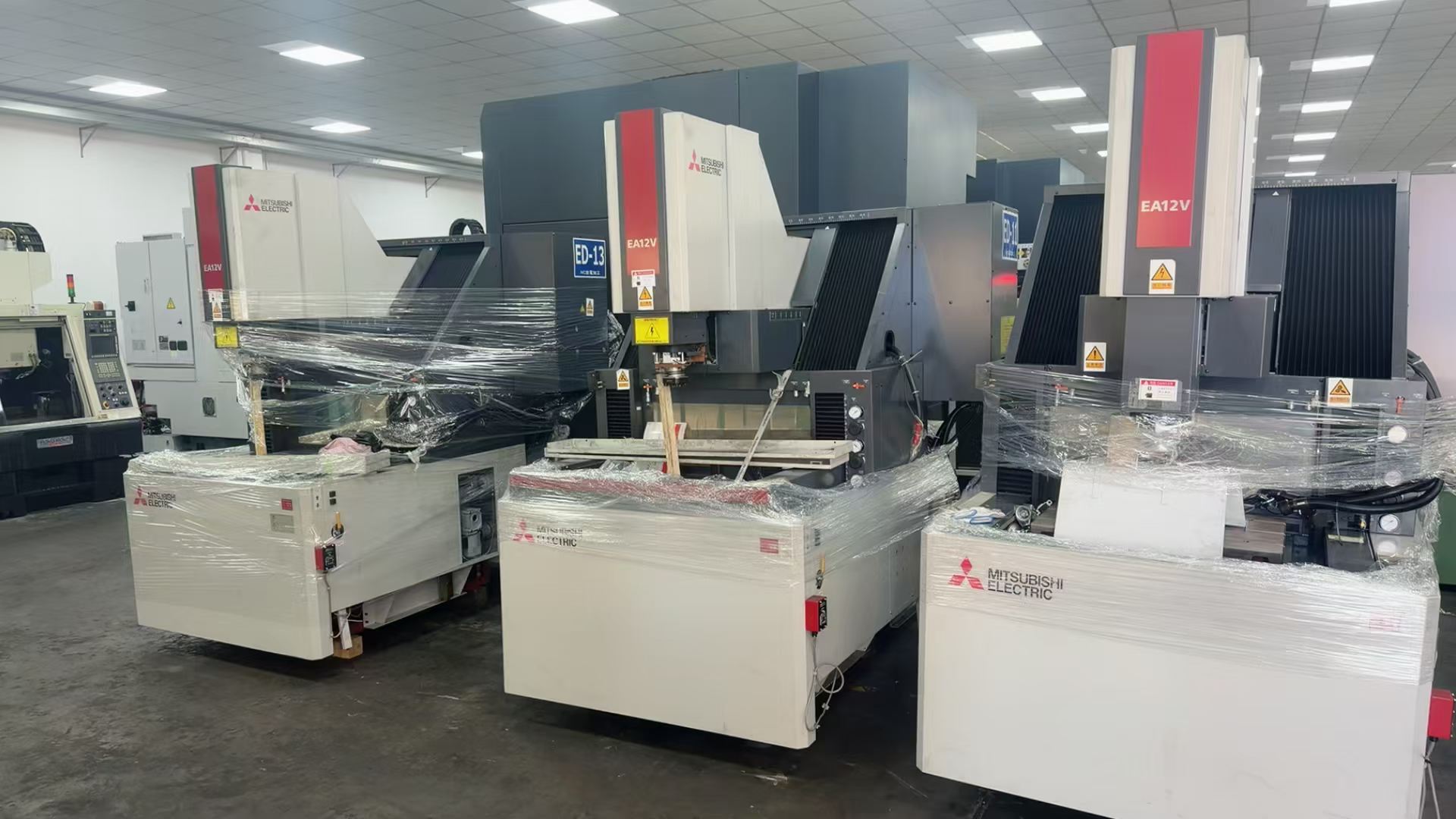
Can you ship used machinery to my country and handle import formalities?Many international business owners, factory operators, and construction contractors ask the same question when sourcing second-hand equipment: Can you ship used machinery to my country and handle full import formalities? If you are looking for reliable one-stop used machinery export and import clearance services, the answer is absolutely yes. Professional used machinery exporters offer global shipping and full import document processing to save you time, cost, and cross-border trade risks. Global Shipping Service for All Types of Used Machinery We support worldwide shipping for all categories of used machinery, including construction machinery, industrial processing equipment, agricultural machines, and mechanical tools. No matter your destination country in Asia, Africa, Europe, North America, or South America, we can arrange safe, fast, and cost-effective shipping solutions. We provide flexible logistics options including sea freight, air freight, and container shipping. All used machines will be professionally cleaned, inspected, packaged, and fixed inside containers to avoid damage during long-distance transportation. We also offer cargo tracking until the goods safely arrive at your local port. Full-Service Import Formality Handling Most overseas buyers lack experience with complex cross-border import procedures for used machinery, which has stricter customs rules than new equipment. Our team can fully handle all import and export formalities on your behalf. We complete official export customs declaration, prepare commercial invoices, packing lists, certificates of origin, and official inspection documents required by international customs. Our staff is familiar with different countries’ import policies for used machinery, including restriction standards, quarantine rules, and tax declaration requirements. We assist with every step, from export filing at the origin port to import guidance at your destination port. We can sort out compliance documents, submit customs applications, and solve common clearance problems that often cause delays or fines. Why Let Professionals Handle Your Import Formalities Used machinery import involves strict policy audits. Missing documents, incorrect declaration information, or non-compliant filing will lead to customs detention, port storage fees, cargo return, or expensive penalties. By choosing our one-stop service, you can avoid complicated paperwork and tedious communication with customs authorities. You do not need to learn professional trade knowledge or prepare complex files by yourself. We ensure all formalities comply with local import laws, making customs clearance fast and smooth. What Benefits You Get from Our All-in-One Service First, you save huge time costs. We take charge of the entire shipping and clearance process, allowing you to focus on your factory production and project progress. Second, you reduce trade risks effectively. Our standardized document processing avoids clearance failures and legal risks. Third, you enjoy transparent pricing with no hidden charges. We provide detailed cost lists for machinery inspection, customs declaration, logistics, and service fees before shipment. Finally, we offer after-arrival guidance to help you pick up cargo quickly. Final Conclusion In summary, we can ship qualified used machinery to almost every country globally and provide full support for import formalities. Our integrated shipping and customs clearance service makes international used machinery procurement simple, safe, and efficient. If you plan to import second-hand equipment, choose our professional service for a worry-free cross-border transaction.
-
Can I arrange a third-party inspection before shipment?Is Pre-shipment Third-Party Inspection Allowed? Many overseas buyers sourcing industrial machinery and CNC equipment from China frequently ask: Can I arrange a third-party inspection before shipment? The clear answer is yes. Reliable machinery suppliers fully support and accept official third-party inspections to ensure transparent, safe, and trustworthy international trade for every global client. Pre-shipment inspection is a standard procedure in global equipment procurement. It helps buyers avoid common risks including incorrect machine specifications, exterior damage, incomplete configurations, unstable operating performance, and missing accessories before container loading. This process is especially vital for second-hand CNC lathes and heavy-duty industrial machines, as physical inspection verifies real working condition, accuracy, and overall equipment quality. What Does Third-Party Inspection Cover? We fully cooperate with all authorized international inspection agencies and independent professional inspectors. Buyers can schedule on-site inspections at our warehouse at any time before shipment. The inspection scope includes machine appearance, structural integrity, motor performance, spindle speed stability, system operation, turret and tailstock functionality, machining precision, standard accessories, packaging quality, and container loading supervision. Our technical team provides full coordination, on-site trial cutting, real machine testing, and detailed data recording during the entire inspection process. Why We Support Full Pre-shipment Inspection Many customers worry that suppliers may refuse inspections or charge extra fees. As a professional machinery exporter, we never block or delay third-party verification. We offer free on-site cooperation, machine debugging, and operational testing for all appointed inspectors. Buyers only need to cover the official inspection service fee from their chosen institution. We believe qualified machines stand professional testing. Transparent inspection builds long-term trust and eliminates quality disputes before delivery. Every machine we sell can pass strict functional testing and accuracy checking. Benefits of Pre-shipment Inspection for Buyers Third-party inspection allows buyers to confirm equipment quality, verify machine parameters, check working hours, and ensure complete accessory lists. It effectively prevents wrong shipments, defective machines, and unnecessary overseas losses. Whether you purchase new or used CNC lathes, heavy-duty turning machines, or industrial processing equipment, you have full rights to arrange pre-shipment inspection, factory visits, and supervised loading. Final Conclusion We always follow standardized international trade rules. All orders support third-party quality inspection, on-site trial runs, and supervised shipment loading. We commit to providing low-risk, high-quality, and fully transparent machinery procurement services for every global customer.