Used Makino V77 Vertical Machining Center - Technical Powerhouse for Precision Dies
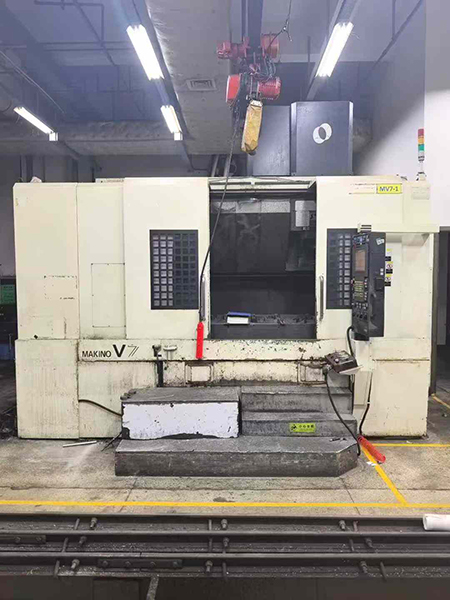
| Stock No. | 810300 | Brand | Makino |
| Model | V77 | Origin | Japan |
| CNC System | Professional 5 (Pro 5) | Spindle Speed | 20,000 RPM |
| Travels (X/Y/Z) | 1200 * 700 * 650 mm | Spindle Power | 18.5 KW |
| Table to Spindle Nose | 250 - 900 mm | ATC Capacity | 30 Tools |
Equipment Overview: The Makino V77 Performance Legacy
In the world of high-speed precision machining, Makino has long been recognized as a global leader, particularly in the die and mold industry. The Makino V77 Vertical Machining Center is a robust platform designed to tackle the challenges of large, complex workpieces that require both high speed and superior accuracy. Unlike standard VMCs, the V77 is engineered with a thermal stability focus, ensuring that even during long shifts of continuous milling, the machine maintains its volumetric accuracy. This used V77, originating from Japan, represents the pinnacle of engineering excellence, offering a unique blend of a large 1200mm X-axis travel with a high-speed 20,000 RPM spindle—a combination rarely found in such a balanced machine frame.
For manufacturers looking to elevate their production quality, the V77 provides the rigidity needed for aggressive material removal and the finesse required for ultra-fine finishing. The machine's design minimizes vibration and heat generation, which are the primary enemies of tool life and surface quality. By investing in this pre-owned Makino V77, workshops can gain a competitive edge by delivering parts that require minimal manual polishing or post-processing.
Detailed Parameter Analysis: Mastering High-Speed Control
The Professional 5 CNC Control
The heart of this machine is the Makino Professional 5 system. This control is widely respected for its processing speed and specialized software modules. It features the Super Geometric Intelligence (SGI.4) software, which is essential for high-speed machining of complex, 3D curved surfaces. SGI.4 enables the machine to process thousands of blocks of data per second, ensuring that the tool path remains smooth even at high feed rates. This results in significantly reduced cycle times and a "mirror-like" surface finish that is a hallmark of Makino technology.
20,000 RPM Spindle and Motor Dynamics
The 20,000 RPM spindle is not just about speed; it is about precision at speed. With 18.5 KW of power, the V77 can drive small-diameter cutters with the necessary RPM for high-efficiency milling while maintaining the torque required for larger tools. Makino’s proprietary spindle cooling system circulates temperature-controlled oil through the spindle jacket, preventing thermal expansion. This ensures that the Z-axis position remains constant throughout the day, which is critical for maintaining tight tolerances in deep-cavity molds.
Structural Rigidity and Envelope
With a work envelope of 1200mm x 700mm x 650mm, the V77 is perfectly sized for medium-to-large mold bases and aerospace structural parts. The table-to-spindle nose distance of 250mm to 900mm allows for various setups, including the use of tall fixtures or long tooling. The machine's bed is cast from premium materials to provide maximum damping, which reduces tool chatter and improves overall part quality.
Application Cases: Industry Verticals and Success Stories
The Makino V77 is a staple in the automotive and aerospace industries. In automotive manufacturing, it is the go-to machine for producing injection molds for bumpers, dashboards, and lighting components. These parts require massive mold bases where the V77's 1.2-meter travel is indispensable. Its ability to produce high-quality finishes means that the time spent on manual benching is reduced by up to 50%, leading to faster time-to-market for new vehicle models.
In the aerospace sector, the V77 is utilized for the machining of aluminum and titanium structural components. The high-speed spindle allows for high metal removal rates in aluminum, while the rigid frame provides the stability needed for milling tougher alloys. Additionally, the precision optics and medical equipment industries utilize the V77 for manufacturing large-scale molds for high-precision plastic components, where micron-level accuracy is non-negotiable.
Maintenance Records and Quality Inspection Report
This specific unit (Stock #810300) has undergone a comprehensive inspection by our technical experts. We have verified the spindle runout, axis backlash, and overall geometry to ensure they meet original factory specifications. Makino machines are known for their longevity; the quality of the Japanese castings ensures that the machine structure remains true for decades. Our maintenance log shows that this machine has been operated in a climate-controlled environment, with regular lubrication and filter changes. The Professional 5 control panel and electronics have been tested for stability, and the 30-tool ATC operates smoothly with rapid changeovers. Buying a used Makino is often a better investment than a new lower-tier machine, as the fundamental build quality of the V77 is far superior.
The Economic Advantage: Why Buy a Pre-owned Makino V77?
The capital expenditure for a brand-new Makino V77 is significant and often out of reach for small to mid-sized shops. However, the used market offers an excellent opportunity to acquire this high-level technology at a fraction of the cost. The resale value of Makino machines remains high worldwide, making it a safe asset for any business. By choosing this V77, you are not just buying a machine; you are acquiring the capability to bid on more complex, higher-margin projects that your competitors cannot handle. The reliability of Makino means less downtime and more billable hours, maximizing your ROI from day one.
Frequently Asked Questions (FAQ)
1. What makes the Professional 5 control better for mold making?
The Pro 5 control includes advanced algorithms like SGI.4 that optimize the relationship between feed rate and accuracy, specifically for the complex geometry found in mold surfaces.
2. Is a 20,000 RPM spindle durable for everyday use?
Yes, Makino's spindle design includes an integrated cooling system that allows for continuous high-speed operation without the overheating issues common in lesser machines.
3. Can the V77 handle heavy workpieces?
Absolutely. The V77 is designed with a high-capacity table and a rigid base that can support the heavy weights associated with large steel mold bases while maintaining precision.
4. How easy is it to find spare parts for a used Makino in this region?
Makino has a global service network. Many components are standardized, and there is a healthy market for both OEM and aftermarket parts for the V77 series.
5. What is the typical accuracy level of a used Makino V77?
When properly maintained, a used V77 can still hold tolerances within several microns, making it suitable for even the most demanding precision engineering tasks.
More Articles
-
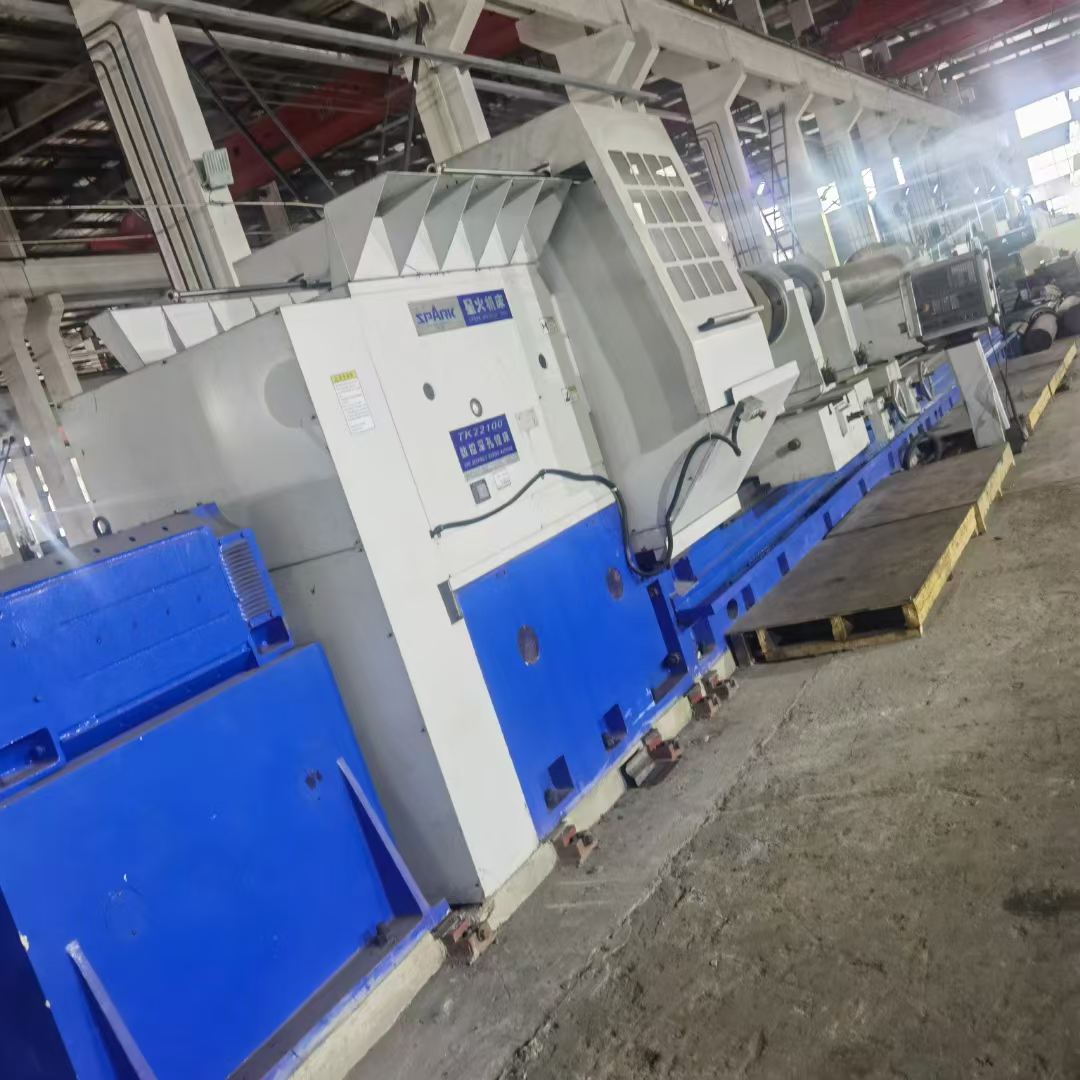
How to Choose an Industrial Drilling Machine: Types and Key SpecificationsStart with the Hole and Workpiece Requirements Choose an industrial drilling machine by matching hole diameter, depth, material and production volume to the machine’s drilling process and working envelope. Maximum drilling diameter alone is insufficient: it must be stated for the relevant material and tooling. Prepare a representative drawing showing blind or through holes, depth-to-diameter ratio, positional tolerances, surface finish and any intersecting holes. Include workpiece dimensions, weight and fixture height. These determine spindle access, required travel and chip evacuation needs. Match the Drilling Machine Type to the Job Machine type Typical application Key parameters Upright drilling machine General drilling in parts positioned beneath a fixed spindle axis Material-specific diameter capacity, spindle stroke, throat depth Radial drilling machine Large or heavy components where moving the drilling head reduces workpiece repositioning Arm reach, column-to-spindle distance, head height and clamping rigidity Deep-hole drilling machine Holes requiring dedicated guidance and controlled chip evacuation, such as shaft bores Diameter/depth range, drilling system, coolant pressure, flow and filtration CNC drilling machine Repeated hole patterns requiring programmed positioning and feed cycles Axis travels, positioning accuracy, repeatability and fixture capacity These categories can overlap: a deep-hole drilling machine may use CNC control. CNC describes control capability; it does not establish deep-hole capacity or guarantee suitability for every drilling process. Verify the Specifications Under Cutting Conditions Speed, torque and feed: Match the speed range to tool diameter and material. Large drills need sufficient torque at low speed; motor power alone does not confirm this. Check feed range and available thrust. Usable depth and clearance: Separate spindle stroke from maximum drilling depth. Allow for drill length, holder, fixture, chip clearance and tool withdrawal. Workholding and access: Verify table load, mounting features and the full machining envelope. On radial machines, assess rigidity at the required arm extension. Coolant and chip removal: Confirm compatibility with the selected tooling. Deep-hole systems require matched guidance, coolant delivery and filtration; adding coolant pressure alone does not convert an upright drill into one. Ask the supplier to document capability against your drawing, material and tooling. Where practical, request a representative cutting trial measuring hole size, location, straightness and finish against the drawing requirements. Drilling Machine Selection FAQ When should I choose radial instead of upright? Choose radial when a large or heavy workpiece is difficult to reposition and the head can reach the required holes with adequate rigidity. When is a dedicated deep-hole machine necessary? When depth, straightness or chip evacuation requirements exceed the validated capability of conventional drilling. Confirm suitability with the tooling supplier and machine supplier. Does CNC control guarantee hole accuracy? No. Axis positioning is only one factor. Runout, drill deflection, workholding and material also affect the finished hole.
-
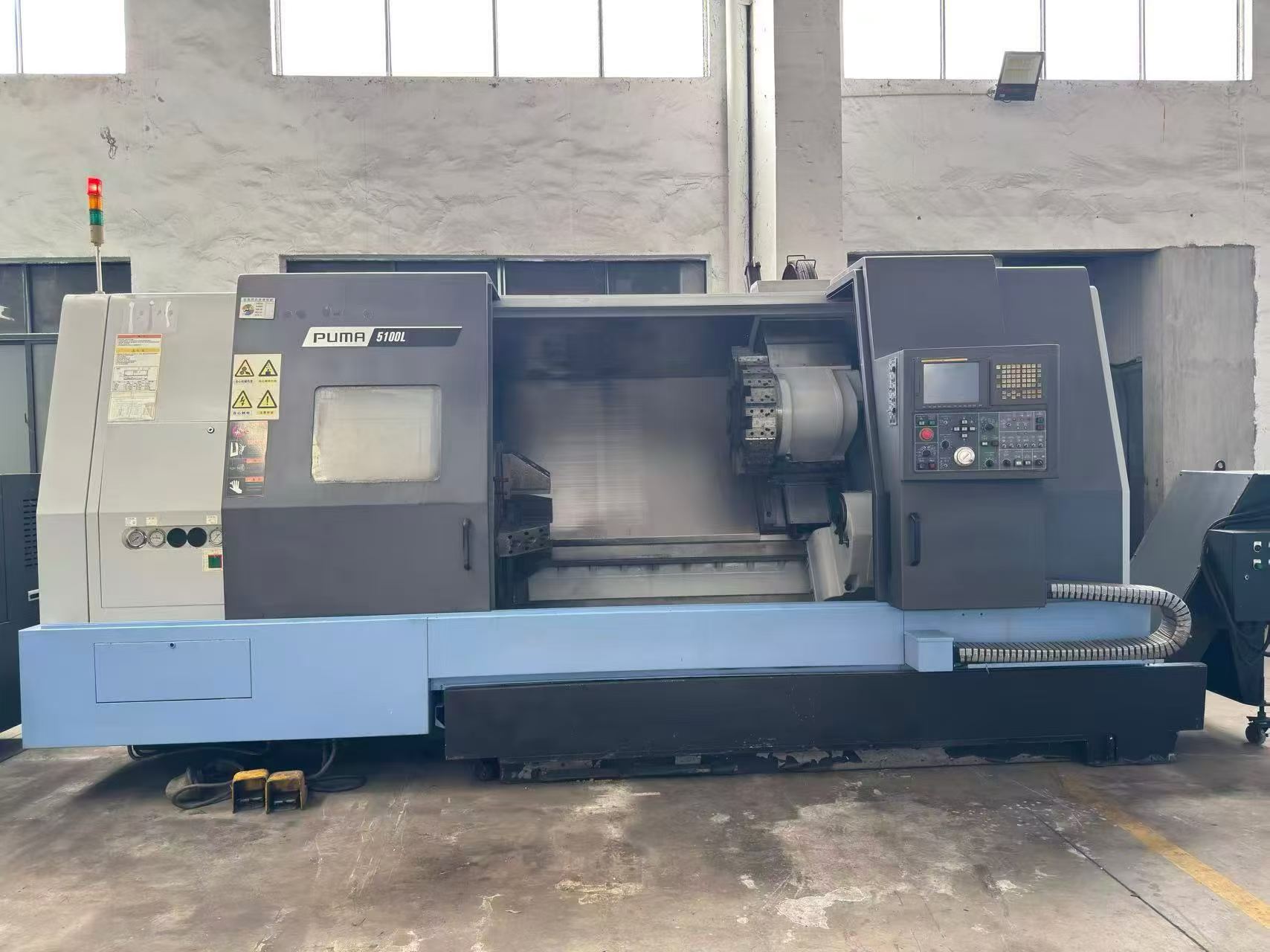
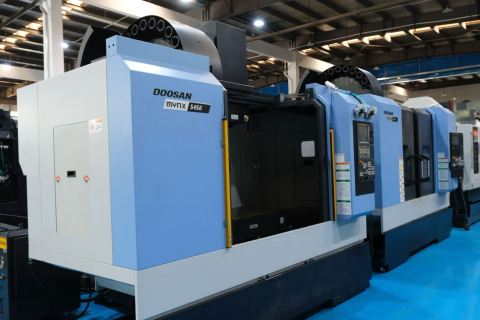
Doosan CNC Machines: Machine Types, Applications and Used Equipment GuideChoosing among Doosan CNC Machines starts with the part: rotational components generally suit a turning center, while prismatic parts typically require a machining center. For used equipment, the exact configuration and measured condition determine suitability more reliably than the series name or production year alone. Match Doosan machine families to the work PUMA and LYNX turning centers, DNM vertical machining centers and NHP horizontal machining centers are useful starting points for comparison. Capabilities vary by model and generation; confirm the machine’s serial number, specification sheet and installed options. Machine family Typical task Used-equipment review CNC turning centers Shafts, bushings and automotive flanges Spindle condition, chuck operation, turret indexing and tailstock alignment where fitted Turning centers with milling capability Turned parts requiring cross-holes, flats or secondary milling Live-tool drive, C-axis operation and any fitted Y-axis or subspindle Vertical machining centers Brackets, plates, fixtures and mold components Spindle taper, axis motion, tool changer and table condition Horizontal machining centers Multi-face machining of housings and valve bodies Pallet positioning, rotary indexing, spindle condition and chip evacuation Check capacity against the complete process For turning, verify usable turning diameter and length, bar capacity, workholding clearance and support for slender parts. Milling features require the appropriate driven tools and axes; a turret alone does not establish milling capability. For machining centers, assess travel with the fixture and tool installed, table or pallet load limits, spindle characteristics and tool capacity. Automotive housings may benefit from horizontal access and pallet handling, while varied fixture work may suit a vertical layout. Confirm material, cutting strategy and cycle requirements before selecting either. Make used-machine condition verifiable Request maintenance records, alarm history, operating-hour information and details of spindle, ballscrew or control repairs. Hours provide context but do not establish accuracy or remaining service life. Arrange a powered inspection covering cold startup, spindle operation through the intended speed range, full axis travel, lubrication, coolant and repeated tool or turret changes. A representative test cut, measured against agreed criteria, provides stronger evidence of process suitability than an idle-running video. Use geometric or positioning checks where the application warrants them. Before committing, confirm control version, enabled options, parameter backups, manuals, electrical requirements and locally available service support. Obtain a written list of included chucks, holders, probes and accessories, then account for rigging, freight, installation and commissioning. Buyer FAQ Can a Doosan lathe replace a machining center? For some turned parts with secondary milling, a suitably equipped turning center can consolidate operations. Check tool access, axis configuration and work envelope against the actual drawing. What is the main risk when buying used? Unverified mechanical condition or missing functionality can prevent the machine from meeting the intended process. Make acceptance depend on documented configuration, inspection results and agreed test criteria.
-
CNC Machines for Automotive Manufacturing: Types, Applications and SelectionSelect CNC machines for automotive manufacturing by matching each component’s geometry, material and critical features to its machining sequence. Engine blocks need access to multiple faces and accurate bore relationships; transmission shafts need controlled turning, with separate finishing operations where the drawing requires them. Machine travel alone does not establish process suitability. Match the automotive component to the machine family Automotive component Machining need CNC machine family Engine blocks and cylinder heads Face milling, drilling, tapping and boring Horizontal or vertical machining center; five-axis where access justifies it Transmission shafts and gear blanks Turn journals, shoulders and bores CNC lathe or turning center; grinding where specified Transmission and differential housings Machine bearing seats, joint faces and hole patterns Horizontal machining center or vertical machining center with rotary indexing Wheel hubs and brake discs Turn faces, diameters and bearing seats; drill mounting holes CNC turning center, with live tooling where suitable Gear blanks can be turned on a lathe, but gear teeth generally require dedicated cutting or finishing equipment. Likewise, cylinder bore preparation may require honing after machining. Engine parts: prioritize access, datums and bore quality For blocks and heads, assess whether the fixture exposes the required faces while maintaining consistent datums. A horizontal machining center can support machining on multiple faces and chip evacuation; a vertical machining center may suit accessible features and flexible batch work. Five-axis capability is useful when angled features or reduced refixturing justify the added programming and fixture complexity. Match spindle torque, tooling and coolant delivery to the material and operation. Deep drilling, interrupted milling and precision boring impose different demands. Confirm bore geometry, surface finish and positional relationships through a representative process trial. Transmission parts: connect turning to downstream operations For shafts, evaluate chuck or collet grip, unsupported length, tailstock or steady-rest requirements, and tool access. Live tooling can combine cross-drilling or milling with turning when the machine configuration supports those features. Plan heat treatment before selecting the final machining route: distortion can require finish grinding or hard turning afterward. For housings, check bearing-bore alignment and fixture-induced deformation. Thin walls may need controlled clamping and a staged roughing and finishing sequence. Validate cycle time with loading, tool changes, gauging and chip removal included. Automated handling and in-process probing must suit the part and control system; neither establishes production capability without validation. Application questions before specifying equipment Can one machining center complete an engine block? It may perform many cutting operations, depending on access, fixtures and tooling. Honing, washing and inspection may remain separate stages. Is a CNC lathe enough for transmission components? It suits rotational features, but splines, gear teeth and specified finishes may require additional equipment. Build the routing from the finished drawing, then verify each proposed machine against its assigned operations.
-
How to Buy Used Industrial Machinery from Overseas SuppliersTo buy used industrial machinery from overseas suppliers, tie each payment commitment to evidence: machine identity, operating condition, agreed acceptance criteria and shipping responsibilities. A low purchase price can become expensive if dismantling, import eligibility or unloading requirements remain unresolved. Screen the seller and identify the machine Confirm the supplier’s legal entity, physical address, authority to sell and relationship to the payment beneficiary. Independently verify any bank-detail change through an established contact. Request the machine’s nameplate, serial number, location, controller details, maintenance records and included-equipment list. Match these across the quotation, inspection records and contract. For CNC equipment, verify electrical requirements, control language, parameter backups and any software licence transfer restrictions. Turn machine evidence into acceptance criteria Agree on a written inspection scope before paying a deposit. For a machining center or CNC lathe, request a live video session showing the serial plate, cold startup, alarm history, axis travel, spindle operation, lubrication and tool changes where applicable. Define any cutting test and measurement method around your intended parts. Procurement stage Evidence Risk-control action Machine verification Nameplate, records, accessory list Record the serial number and included items in the contract. Remote inspection Live operation and test results Set acceptance criteria; investigate unexplained faults. Payment Signed contract and milestone records Define release conditions and rejection remedies. Dispatch Packing photos and shipping documents Check identity, protection and document consistency. Video can reveal operational problems but cannot establish geometric accuracy or hidden wear by itself. Where these affect production suitability, commission an independent inspection with suitable measuring equipment. Negotiate payment around documented milestones Specify the deposit, balance-payment trigger, inspection rights, defect handling, cancellation terms and dispute jurisdiction. State whether acceptance occurs before dismantling or after installation, and how discrepancies will be resolved. Compare bank transfers, documentary credits and escrow arrangements with your bank or adviser. Each has costs and limitations; document compliance alone does not establish machine condition. Assign shipping and export responsibilities Use a named place and Incoterms® 2020 rule, then separately allocate dismantling, lifting, packing, loading, export clearance, insurance and destination unloading. Incoterms do not determine ownership transfer or payment terms. Confirm packed dimensions, weight, lifting points, transit restraints and corrosion protection before booking freight. Have a customs broker check classification, used-equipment import restrictions, required documents and applicable duties under local rules. Budget for rigging, storage and commissioning; customs release and transit timing remain subject to external conditions. Overseas purchasing FAQ Should I pay the full balance before shipment? Negotiate a trigger linked to agreed inspection acceptance and dispatch evidence. Confirm your contractual remedies before committing funds. Can remote inspection replace an onsite visit? It can support initial screening. Precision-critical or poorly documented machines warrant independent onsite checks. Who handles export logistics? The contract should name the responsible party for each task, including document preparation, export clearance, loading and insurance arrangements.