Used Mazak QUICK TURN 250L CNC Lathe – Available for Immediate Inspection
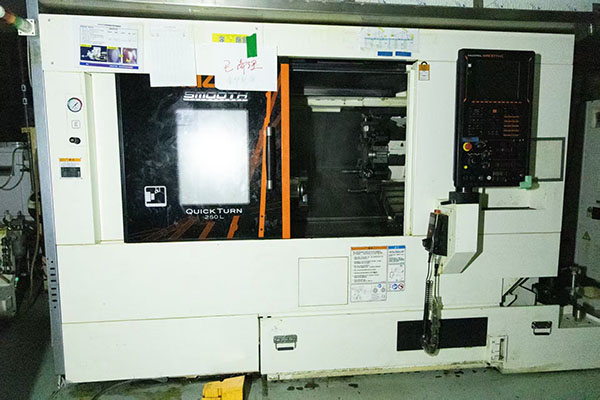 The Mazak QUICK TURN 250L is a high-performance CNC turning center engineered for precision and high-volume throughput. This 2021 model is currently in stock and available for immediate inspection. With a maximum machining length of 511 mm and a substantial 91 mm spindle bore, this machine is built to handle a diverse range of shaft and chucking applications. It is an ideal solution for manufacturers looking to balance high-speed production with the flexibility required for automotive, aerospace, and general industrial component manufacturing.
Stock Status and Production Value
As a 2021 model, this Mazak QUICK TURN 250L is a modern asset for any shop floor. Because the machine is currently held in our inventory, you can bypass the long lead times associated with new factory orders. For production managers facing immediate capacity constraints, this lathe offers a proven platform for consistent, reliable output. The QUICK TURN series is widely recognized for its robust construction and intuitive interface, making it a dependable addition to existing turning cells or a primary machine for job shops.
Key Specifications and Production Readiness
Review the technical specifications of the QUICK TURN 250L to ensure it aligns with your part geometries and production requirements:
| Specification | Value |
|---|---|
| Model | QUICK TURN 250L |
| Year | 2021 |
| Swing over bed | Ø660 mm |
| Max machining diameter | Ø380 mm |
| Max machining length | 511 mm |
| X-axis travel | 210 mm |
| Z-axis travel | 560 mm |
| Spindle speed | 45–4000 rpm |
| Spindle bore diameter | 91 mm |
| Turret type | 12-position drum turret |
| Rapid traverse (X/Z) | 30,000 / 33,000 mm/min |
| Motor power | 22 / 15 kW |
The 91 mm spindle bore is a critical feature, allowing for the processing of larger diameter bar stock and reducing the need for secondary operations. The 12-position drum turret facilitates complex operations in a single setup, optimizing cycle times for multi-operation parts.
Ideal Applications for the QUICK TURN 250L
The Mazak QUICK TURN 250L is a versatile all-rounder suitable for various production environments:
- Automotive Suppliers: Ideal for producing shafts, flanges, and transmission components that require high precision and repeatability.
- Aerospace Sub-contractors: The rigidity of the Mazak platform supports tight-tolerance machining on small-to-medium sized structural components.
- Medical Device Manufacturers: Suitable for turning surgical instruments or housings where surface finish and dimensional accuracy are critical.
- General Job Shops: The combination of a 511 mm bed length and 380 mm machining diameter offers the flexibility needed for high-mix, low-volume production runs.
Why This Machine is worth considering
In today's market, securing a 2021 CNC lathe with these specifications is an excellent opportunity to scale capacity without the wait times of new equipment procurement. The QUICK TURN 250L features a compact footprint (2630 × 1680 mm), allowing it to fit into crowded shop floors while providing the power (22/15 kW) necessary for heavy-duty material removal. Its design emphasizes ease of operation and rapid setup, which are critical factors for shops managing frequent job changeovers.
Frequently Asked Questions
Is this Mazak QUICK TURN 250L available for immediate inspection?
Yes, this machine is currently in stock. We encourage prospective buyers to schedule an on-site visit to inspect the machine, verify its condition, and witness a power-on demonstration.
What type of production is this machine best suited for?
The QUICK TURN 250L is a versatile turning center. Its 91 mm spindle bore and 511 mm machining length make it excellent for shaft work and medium-sized chucking parts. It is well-suited for automotive, aerospace, and general precision machining environments.
Can I see the machine running before purchase?
Yes. We facilitate inspections where you can test the machine’s functionality, including the spindle, turret indexing, and control interface, to ensure it meets your specific production requirements.
How does the 2021 model year impact my purchase decision?
A 2021 model is a modern machine, meaning it utilizes current control technology and mechanical standards. This ensures compatibility with modern CAD/CAM software and provides a longer remaining service life compared to older vintage equipment.
What is the footprint of this machine?
The machine requires a floor space of 2630 × 1680 mm. Please ensure your facility has adequate clearance for the machine height (1703 mm) and surrounding access for maintenance and operator safety.
More Articles
-
How to Inspect a Used CNC Lathe Before Making a PurchaseIdentify the Lathe Before Setting Acceptance Criteria A used CNC lathe inspection should establish whether the machine can hold your workpiece securely, position tools consistently and produce your required features under realistic cutting conditions. Agree on acceptance criteria before testing; a clean finish alone does not establish dimensional accuracy. Confirm the model, serial number, controller version, spindle arrangement, chuck and turret configuration. Verify usable turning length, bar capacity and tool clearances against your parts. If fitted, include the tailstock, subspindle and live tooling in the test scope. Used CNC Lathe Inspection: Component Evidence Have a qualified operator run the machine with guards and interlocks functioning. Perform contact measurements with the spindle stopped and secured against unexpected movement. Compare results with manufacturer procedures and agreed application requirements. Lathe component Test method Acceptable evidence Spindle Measure runout at the specified reference surface; run through permitted speeds after warm-up. Recorded readings, temperature trend and noise observations assessed against agreed limits. Chuck and drawtube Inspect jaws and mounting; repeat clamp cycles and check pressure, stroke and gripping force using suitable equipment. Consistent clamping, adequate stroke reserve and verified force for the intended setup. Turret Index all stations repeatedly; check locking, tool-seat condition and return position. Repeatable position measurements, secure locking and no indexing alarms. Ways and X/Z axes Inspect accessible sliding surfaces and lubrication; measure reversal error and positioning at several travel locations. Documented results across the working zone, with wear or binding investigated. Controller Check turret sequencing, spindle orientation and threading synchronization; test fitted live-tool functions. Successful functional tests and confirmation that required options are enabled. Require a Cutting Test That Exposes Relevant Faults Use material and workholding representative of your planned production. Record tooling, jaw engagement, clamping pressure, spindle speed, feed, depth of cut and warm-up condition so results remain interpretable. Turn a suitable test diameter and measure it at several axial positions to assess taper. Face a surface, machine a shoulder and cut a thread where relevant. Repeat the cycle on multiple pieces to reveal dimensional drift and variation associated with turret indexing or reclamping. Measure dimensions and surface finish with suitable calibrated instruments. Taper can result from alignment, tool wear, workpiece deflection or thermal effects; isolate the cause before assigning a repair cost. If a representative cutting test is unavailable, treat machining capability as unverified. Buyer Questions Before Committing Does quiet spindle operation prove good bearings?No. Combine operating observations with runout measurements and cutting results; faults may appear only after warm-up or under load. Does normal hydraulic pressure prove the chuck is safe?No. Gripping force also depends on chuck condition, lubrication, jaw configuration and speed. Verify the setup against the chuck manufacturer’s limits. Is successful turret indexing enough?No. Confirm locking and positional repeatability, then verify tool alignment through measured cuts. Attach unresolved findings and agreed retest requirements to the purchase conditions.
-
Best Automatic Lathe Machines for Metal ProcessingBest automatic lathe machines for metal processing depend on part geometry, batch size, tolerance, and the buyer’s ability to support the control system. A well-inspected used automatic lathe can deliver strong repeatability and a lower unit cost than a new machine. Choosing an Automatic Lathe Machine type Best fit Typical capability Main risk Cam automatic lathe Very high-volume simple parts Fast fixed-cycle turning Limited changeover flexibility CNC turning center Mixed batches and complex profiles Turning, drilling, threading Control and turret repair cost Swiss-type CNC lathe Long, small-diameter precision parts Guide bushing and live tools Guide-bushing wear affects accuracy For shafts, fittings, fasteners, bushings, and hydraulic components, prioritize bar capacity, spindle bore, tool stations, chip evacuation, and automation compatibility. Swiss-type machines are usually the strongest choice for slender parts where deflection control matters. Accuracy, Life, and Inspection A maintained CNC automatic lathe commonly retains useful production accuracy for many years, but calendar age is less important than spindle hours, crash history, lubrication quality, and preventive service records. Check actual test cuts rather than relying only on nameplate specifications. Inspection point Acceptance focus Selection impact Spindle Noise, heat, vibration, runout Surface finish and bearing cost Axes and ballscrews Backlash, repeat positioning, smooth travel Diameter and length consistency Turret and tools Indexing accuracy, clamp force, live-tool noise Cycle reliability Hydraulics and lubrication Leaks, pressure stability, oil delivery Service life and downtime Control system Alarms, backup, drives, screen condition Parts availability and recovery risk Common faults include spindle-bearing noise, turret misindexing, axis backlash, hydraulic leakage, bar-feeder synchronization errors, and obsolete drives. Require a cold start, continuous cycle test, sample-part measurement, and a recorded alarm history. FAQ Which machine is best for small precision parts? A Swiss-type CNC lathe is usually best for long, thin, high-volume precision components. Can a used lathe still hold tight tolerances? Yes, when spindle condition, axis repeatability, tooling, and thermal stability pass measured test cuts. What accuracy test should a buyer request? Request spindle runout, axis backlash, repeatability data, and measured samples produced from the target material. What faults create the highest repair risk? Spindle bearings, obsolete CNC drives, turret assemblies, and damaged ballscrews usually create the largest unplanned cost. Are China suppliers suitable for export projects? Yes, provided they demonstrate export experience, compliant packing, clear documents, spare-parts support, and defined after-sales service. Conclusion Match machine architecture to the part, verify condition with live tests, and price future support alongside purchase cost. Contact a reliable Chinese supplier for an inspected machine list and a current quotation.
-
Industries That Use Automatic CNC Lathe MachinesAutomatic CNC lathe machines support high-volume turned parts where repeatability, cycle time, and unattended running determine unit cost. They are widely used for shafts, pins, fittings, fasteners, bushings, and precision connectors. Core Industries and Part Requirements Industry Typical Parts Key Requirement Automotive Sensor bodies, pins, valve parts Stable batch accuracy and traceability Medical Implant components, instrument fittings Fine finish and burr control Electronics Connectors, terminals, camera rings Small-diameter precision Hydraulics Fittings, sleeves, valve spools Concentricity and sealing surfaces Aerospace Fasteners, lightweight alloy parts Material control and inspection records Machine Selection and Accuracy Retention Swiss-type automatic lathes suit long, slender workpieces and complex small parts; turret lathes are more economical for larger diameters and general production. A well-maintained used machine can retain practical production accuracy, but condition matters more than its nameplate year. Machine Type Best Fit Selection Risk Swiss-type Small, long precision parts Guide bushing and spindle wear Turret CNC lathe General turned components Turret indexing error Cam automatic lathe Very high-volume simple parts Limited changeover flexibility Inspection Before Purchase Checkpoint What to Verify Test cut Diameter stability, taper, roundness, surface finish Spindle Noise, heat, vibration, runout Axes and ballscrews Backlash, repeat positioning, lubrication Control system Alarm history, program operation, backup availability Tooling system Collets, holders, live tools, availability of replacements Common faults include spindle-bearing noise, hydraulic leakage, worn collets, servo alarms, and unstable bar feeding. Service life is extended by clean coolant, scheduled lubrication, correct bar stock, and prompt replacement of worn guide bushings and seals. FAQ Which industry benefits most from automatic CNC lathes? Automotive, electronics, medical, and hydraulics benefit most where many identical precision parts are required. Can a used automatic lathe still hold tight tolerances? Yes, after a test cut confirms spindle condition, axis repeatability, and thermal stability. What is the main risk in a low-priced machine? Hidden wear, obsolete controls, and unavailable parts can exceed the initial savings. How should buyers verify machine condition remotely? Request a live video test cut, measurement report, alarm screen check, and detailed machine serial information. Are spare parts available from Chinese suppliers? Reliable suppliers stock common consumables and can source compatible electrical, hydraulic, and tooling parts. Conclusion Select the machine by part geometry, required tolerance, service support, and verified condition, not price alone. Request a current quote and inspection package from a reliable Chinese supplier with export and spare-parts capability.
-
What Is an Automatic Lathe Machine Used For?Automatic lathe machines produce repeated turned parts with minimal operator intervention. They are used where cycle time, consistency, and low piece cost matter more than one-off flexibility. Primary Uses and Suitable Parts Cam-type automatic lathes suit high-volume simple parts; CNC automatic lathes handle more complex geometry, short-to-medium batches, and faster changeovers. Typical work includes shafts, pins, bushings, threaded fittings, connectors, screws, and small hydraulic or automotive components. Machine type Best use Typical risk Single-spindle cam automatic Very high-volume standard parts Cam wear and limited flexibility Multi-spindle automatic Maximum output for small parts Complex setup and costly repair CNC automatic lathe Precision mixed batches and complex profiles Control, servo, or hydraulic faults Accuracy, Service Life, and Fault Control A sound used machine can retain practical production accuracy when its bed, spindle bearings, collets, slides, and feed system are maintained. Check actual sample parts rather than relying only on nameplate tolerance. Well-serviced mechanical machines often remain productive for 15–25 years; CNC life depends heavily on spindle hours, control support, lubrication discipline, and crash history. Inspection point What to check Selection implication Spindle Noise, heat, radial runout Bearings may require major expense Slides and bed Backlash, scoring, taper on test cut Wear reduces repeatability Hydraulics/pneumatics Leaks, pressure stability, clamping Causes inconsistent cycle operation Electrical/control Alarms, cabinet condition, backup files Obsolete components increase downtime Practical Purchase Checks Run the machine through a full automatic cycle and verify safety interlocks. Measure runout, backlash, surface finish, and dimensional repeatability on a test part. Confirm bar capacity, tooling availability, power specification, and installation footprint. Request maintenance records, serial number verification, video inspection, and a spare-parts list. Used-Machine Cost Guide Category Indicative used price Best buyer Cam automatic lathe US$3,000–15,000 Standard fastener producers Multi-spindle automatic US$15,000–80,000 High-output component factories CNC automatic lathe US$12,000–70,000 Precision subcontractors Price varies with brand, age, condition, tooling, control generation, and overhaul status. A low purchase price can be false economy when commissioning, retrofit, or unavailable parts are ignored. Why Source From China Experienced China-based suppliers can offer broad used inventory, competitive export pricing, pre-shipment testing, crating, documentation, and consolidated shipping. Prefer suppliers able to provide applicable CE or other requested compliance documents, condition reports, remote troubleshooting, commissioning guidance, and stocked consumables such as collets, belts, seals, sensors, and electrical parts. FAQ What is an automatic lathe mainly used for? It efficiently manufactures repetitive round or bar-fed parts such as pins, fittings, screws, and shafts. Can a used automatic lathe still hold precision? Yes, when spindle condition, slide wear, alignment, lubrication, and test-cut results are acceptable. Which faults are most common? Spindle-bearing noise, slide backlash, hydraulic leaks, worn collets, electrical failures, and CNC alarm issues are common. Is a cam machine or CNC machine better? Choose cam machines for stable, very high-volume parts; choose CNC for frequent changes or complex dimensions. What documents should an exporter provide? Request specifications, test video, inspection report, packing list, export documents, and available certification records. Are spare parts available for older machines? Wear parts are often available, but confirm control and proprietary mechanical parts before ordering. Choose a reliable Chinese supplier that proves machine condition, export capability, and parts support. Request a current quote with test results and delivery terms.