Used Okuma LU3000EX CNC Lathe – In Stock & available for inspection
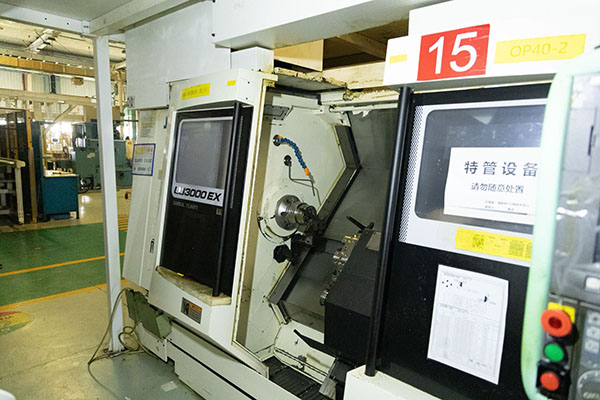
Stock Number: 811740 | Year: 2021 | Origin: Japan
This 2021 Okuma LU3000EX is a high-performance CNC lathe designed for simultaneous dual-turret machining. Featuring the OSP-P300LA control and dual servo-driven turrets, this machine is engineered for complex part processing. With a 5000 RPM spindle and 22/15 kW power, it is built for demanding production environments. Currently in stock and available for inspection, this unit is an ideal solution for automotive, aerospace, and precision component manufacturers looking to increase throughput while maintaining tight tolerances.
Availability and Procurement
The Okuma LU3000EX (Stock #811740) is currently in our warehouse and available for technical inspection. As a 2021 model, it features the modern OSP-P300LA control, ensuring seamless integration with current digital manufacturing workflows. Purchasing a late-model machine like this provides immediate production capacity, bypassing the extended lead times often associated with new equipment orders.
This unit is in "ready-to-work" condition. By acquiring a machine that has been vetted for its core mechanical functions, production managers can mitigate the risks associated with capital equipment procurement. This lathe is available for immediate shipment, making it a viable option for shops facing urgent contract demands or those looking to scale their turning capacity quickly.
Key Specifications
The LU3000EX is engineered for high-speed, high-accuracy turning. Review the technical parameters below to determine its fit for your specific part families.
| Specification | Technical Detail |
|---|---|
| CNC Control | OSP-P300LA |
| Max Swing over Bed | Ø580 mm |
| Max Turning Diameter | Ø340 mm |
| Max Turning Length | 800 mm |
| Distance Between Centers | 1000 mm |
| Spindle Speed | 5000 rpm |
| Spindle Motor Power | 22/15 kW |
| X-Axis Travel (Upper/Lower) | 235 mm / 210 mm |
| Rapid Traverse (X/Z) | 25 m/min / 30 m/min |
Operational Advantages:
- Dual Servo Turrets: The upper and lower servo-driven turrets allow for simultaneous cutting, significantly reducing cycle times for complex shafts and multi-operation parts.
- High-Speed Spindle: With a 5000 RPM capability and 22/15 kW motor, this machine handles both aggressive roughing of steel/cast iron and high-speed finishing of aluminum or non-ferrous alloys.
- Operational Range: The 1000 mm distance between centers and 340 mm maximum turning diameter provide the envelope necessary for mid-to-large sized components, common in automotive drivetrain and aerospace fastener production.
Ideal Applications & Industries
The Okuma LU3000EX is a versatile workhorse, suitable for both contract machine shops and OEM production facilities. Its design focuses on flexibility, allowing for rapid changeovers between different part types.
Target Industries
- Automotive: Ideal for shafts, transmission components, and steering knuckles where dual-turret efficiency minimizes cycle time per part.
- Aerospace: Suitable for machining complex, high-tolerance fittings and fasteners that require Okuma’s signature rigidity and precision.
- Medical Devices: The high-speed spindle and precise X/Z axis control are well-suited for the intricate turning required for medical instrument components.
- Mold & Die: Effective for turning mold bases, guide pins, and ejector sleeves that require consistent repeatability.
If your production floor is bottlenecked by single-turret lathes, or if you are looking to consolidate multiple operations into a single setup, this machine provides the axes and power to optimize your workflow.
Why Choose the LU3000EX?
In the current used machinery market, finding a 2021 model with dual servo turrets is increasingly rare. The Okuma LU3000EX functions as a complete production cell, designed to reduce the number of handlings required for a finished part. By utilizing both turrets, operators can perform roughing and finishing simultaneously or work on two different ends of a part, effectively doubling output compared to a standard 2-axis lathe.
Furthermore, the Okuma OSP-P300LA control is widely supported, meaning your existing programming team likely has the expertise to integrate this machine immediately. Given its availability and the robust nature of Japanese-built CNC equipment, this unit represents a low-risk, high-reward investment for shops aiming to optimize their turning department.
Frequently Asked Questions
Is this Okuma LU3000EX available for immediate inspection?
Yes, this machine is currently in our inventory and available for inspection by appointment. We recommend bringing your maintenance or production lead to verify the machine's condition against your specific part requirements.
How does the dual-turret design affect cycle times?
The dual-turret setup allows for simultaneous machining (e.g., the upper turret cuts the OD while the lower turret performs a grooving or facing operation). This can reduce total cycle time by 30-50% on complex parts compared to single-turret lathes.
Is the OSP-P300LA control difficult to integrate into an existing shop?
The OSP-P300LA is a standard, user-friendly interface widely used in the industry. Most operators familiar with Okuma controls or standard G-code programming will find the transition seamless.
What kind of parts is this machine best suited for?
This machine is a versatile all-rounder. It is best suited for medium-to-high volume production of shafts, flanges, and complex cylindrical parts that benefit from the simultaneous machining capabilities of dual turrets.
More Articles
-
How to Inspect a Used CNC Lathe Before Making a PurchaseIdentify the Lathe Before Setting Acceptance Criteria A used CNC lathe inspection should establish whether the machine can hold your workpiece securely, position tools consistently and produce your required features under realistic cutting conditions. Agree on acceptance criteria before testing; a clean finish alone does not establish dimensional accuracy. Confirm the model, serial number, controller version, spindle arrangement, chuck and turret configuration. Verify usable turning length, bar capacity and tool clearances against your parts. If fitted, include the tailstock, subspindle and live tooling in the test scope. Used CNC Lathe Inspection: Component Evidence Have a qualified operator run the machine with guards and interlocks functioning. Perform contact measurements with the spindle stopped and secured against unexpected movement. Compare results with manufacturer procedures and agreed application requirements. Lathe component Test method Acceptable evidence Spindle Measure runout at the specified reference surface; run through permitted speeds after warm-up. Recorded readings, temperature trend and noise observations assessed against agreed limits. Chuck and drawtube Inspect jaws and mounting; repeat clamp cycles and check pressure, stroke and gripping force using suitable equipment. Consistent clamping, adequate stroke reserve and verified force for the intended setup. Turret Index all stations repeatedly; check locking, tool-seat condition and return position. Repeatable position measurements, secure locking and no indexing alarms. Ways and X/Z axes Inspect accessible sliding surfaces and lubrication; measure reversal error and positioning at several travel locations. Documented results across the working zone, with wear or binding investigated. Controller Check turret sequencing, spindle orientation and threading synchronization; test fitted live-tool functions. Successful functional tests and confirmation that required options are enabled. Require a Cutting Test That Exposes Relevant Faults Use material and workholding representative of your planned production. Record tooling, jaw engagement, clamping pressure, spindle speed, feed, depth of cut and warm-up condition so results remain interpretable. Turn a suitable test diameter and measure it at several axial positions to assess taper. Face a surface, machine a shoulder and cut a thread where relevant. Repeat the cycle on multiple pieces to reveal dimensional drift and variation associated with turret indexing or reclamping. Measure dimensions and surface finish with suitable calibrated instruments. Taper can result from alignment, tool wear, workpiece deflection or thermal effects; isolate the cause before assigning a repair cost. If a representative cutting test is unavailable, treat machining capability as unverified. Buyer Questions Before Committing Does quiet spindle operation prove good bearings?No. Combine operating observations with runout measurements and cutting results; faults may appear only after warm-up or under load. Does normal hydraulic pressure prove the chuck is safe?No. Gripping force also depends on chuck condition, lubrication, jaw configuration and speed. Verify the setup against the chuck manufacturer’s limits. Is successful turret indexing enough?No. Confirm locking and positional repeatability, then verify tool alignment through measured cuts. Attach unresolved findings and agreed retest requirements to the purchase conditions.
-
Best Automatic Lathe Machines for Metal ProcessingBest automatic lathe machines for metal processing depend on part geometry, batch size, tolerance, and the buyer’s ability to support the control system. A well-inspected used automatic lathe can deliver strong repeatability and a lower unit cost than a new machine. Choosing an Automatic Lathe Machine type Best fit Typical capability Main risk Cam automatic lathe Very high-volume simple parts Fast fixed-cycle turning Limited changeover flexibility CNC turning center Mixed batches and complex profiles Turning, drilling, threading Control and turret repair cost Swiss-type CNC lathe Long, small-diameter precision parts Guide bushing and live tools Guide-bushing wear affects accuracy For shafts, fittings, fasteners, bushings, and hydraulic components, prioritize bar capacity, spindle bore, tool stations, chip evacuation, and automation compatibility. Swiss-type machines are usually the strongest choice for slender parts where deflection control matters. Accuracy, Life, and Inspection A maintained CNC automatic lathe commonly retains useful production accuracy for many years, but calendar age is less important than spindle hours, crash history, lubrication quality, and preventive service records. Check actual test cuts rather than relying only on nameplate specifications. Inspection point Acceptance focus Selection impact Spindle Noise, heat, vibration, runout Surface finish and bearing cost Axes and ballscrews Backlash, repeat positioning, smooth travel Diameter and length consistency Turret and tools Indexing accuracy, clamp force, live-tool noise Cycle reliability Hydraulics and lubrication Leaks, pressure stability, oil delivery Service life and downtime Control system Alarms, backup, drives, screen condition Parts availability and recovery risk Common faults include spindle-bearing noise, turret misindexing, axis backlash, hydraulic leakage, bar-feeder synchronization errors, and obsolete drives. Require a cold start, continuous cycle test, sample-part measurement, and a recorded alarm history. FAQ Which machine is best for small precision parts? A Swiss-type CNC lathe is usually best for long, thin, high-volume precision components. Can a used lathe still hold tight tolerances? Yes, when spindle condition, axis repeatability, tooling, and thermal stability pass measured test cuts. What accuracy test should a buyer request? Request spindle runout, axis backlash, repeatability data, and measured samples produced from the target material. What faults create the highest repair risk? Spindle bearings, obsolete CNC drives, turret assemblies, and damaged ballscrews usually create the largest unplanned cost. Are China suppliers suitable for export projects? Yes, provided they demonstrate export experience, compliant packing, clear documents, spare-parts support, and defined after-sales service. Conclusion Match machine architecture to the part, verify condition with live tests, and price future support alongside purchase cost. Contact a reliable Chinese supplier for an inspected machine list and a current quotation.
-
Industries That Use Automatic CNC Lathe MachinesAutomatic CNC lathe machines support high-volume turned parts where repeatability, cycle time, and unattended running determine unit cost. They are widely used for shafts, pins, fittings, fasteners, bushings, and precision connectors. Core Industries and Part Requirements Industry Typical Parts Key Requirement Automotive Sensor bodies, pins, valve parts Stable batch accuracy and traceability Medical Implant components, instrument fittings Fine finish and burr control Electronics Connectors, terminals, camera rings Small-diameter precision Hydraulics Fittings, sleeves, valve spools Concentricity and sealing surfaces Aerospace Fasteners, lightweight alloy parts Material control and inspection records Machine Selection and Accuracy Retention Swiss-type automatic lathes suit long, slender workpieces and complex small parts; turret lathes are more economical for larger diameters and general production. A well-maintained used machine can retain practical production accuracy, but condition matters more than its nameplate year. Machine Type Best Fit Selection Risk Swiss-type Small, long precision parts Guide bushing and spindle wear Turret CNC lathe General turned components Turret indexing error Cam automatic lathe Very high-volume simple parts Limited changeover flexibility Inspection Before Purchase Checkpoint What to Verify Test cut Diameter stability, taper, roundness, surface finish Spindle Noise, heat, vibration, runout Axes and ballscrews Backlash, repeat positioning, lubrication Control system Alarm history, program operation, backup availability Tooling system Collets, holders, live tools, availability of replacements Common faults include spindle-bearing noise, hydraulic leakage, worn collets, servo alarms, and unstable bar feeding. Service life is extended by clean coolant, scheduled lubrication, correct bar stock, and prompt replacement of worn guide bushings and seals. FAQ Which industry benefits most from automatic CNC lathes? Automotive, electronics, medical, and hydraulics benefit most where many identical precision parts are required. Can a used automatic lathe still hold tight tolerances? Yes, after a test cut confirms spindle condition, axis repeatability, and thermal stability. What is the main risk in a low-priced machine? Hidden wear, obsolete controls, and unavailable parts can exceed the initial savings. How should buyers verify machine condition remotely? Request a live video test cut, measurement report, alarm screen check, and detailed machine serial information. Are spare parts available from Chinese suppliers? Reliable suppliers stock common consumables and can source compatible electrical, hydraulic, and tooling parts. Conclusion Select the machine by part geometry, required tolerance, service support, and verified condition, not price alone. Request a current quote and inspection package from a reliable Chinese supplier with export and spare-parts capability.
-
What Is an Automatic Lathe Machine Used For?Automatic lathe machines produce repeated turned parts with minimal operator intervention. They are used where cycle time, consistency, and low piece cost matter more than one-off flexibility. Primary Uses and Suitable Parts Cam-type automatic lathes suit high-volume simple parts; CNC automatic lathes handle more complex geometry, short-to-medium batches, and faster changeovers. Typical work includes shafts, pins, bushings, threaded fittings, connectors, screws, and small hydraulic or automotive components. Machine type Best use Typical risk Single-spindle cam automatic Very high-volume standard parts Cam wear and limited flexibility Multi-spindle automatic Maximum output for small parts Complex setup and costly repair CNC automatic lathe Precision mixed batches and complex profiles Control, servo, or hydraulic faults Accuracy, Service Life, and Fault Control A sound used machine can retain practical production accuracy when its bed, spindle bearings, collets, slides, and feed system are maintained. Check actual sample parts rather than relying only on nameplate tolerance. Well-serviced mechanical machines often remain productive for 15–25 years; CNC life depends heavily on spindle hours, control support, lubrication discipline, and crash history. Inspection point What to check Selection implication Spindle Noise, heat, radial runout Bearings may require major expense Slides and bed Backlash, scoring, taper on test cut Wear reduces repeatability Hydraulics/pneumatics Leaks, pressure stability, clamping Causes inconsistent cycle operation Electrical/control Alarms, cabinet condition, backup files Obsolete components increase downtime Practical Purchase Checks Run the machine through a full automatic cycle and verify safety interlocks. Measure runout, backlash, surface finish, and dimensional repeatability on a test part. Confirm bar capacity, tooling availability, power specification, and installation footprint. Request maintenance records, serial number verification, video inspection, and a spare-parts list. Used-Machine Cost Guide Category Indicative used price Best buyer Cam automatic lathe US$3,000–15,000 Standard fastener producers Multi-spindle automatic US$15,000–80,000 High-output component factories CNC automatic lathe US$12,000–70,000 Precision subcontractors Price varies with brand, age, condition, tooling, control generation, and overhaul status. A low purchase price can be false economy when commissioning, retrofit, or unavailable parts are ignored. Why Source From China Experienced China-based suppliers can offer broad used inventory, competitive export pricing, pre-shipment testing, crating, documentation, and consolidated shipping. Prefer suppliers able to provide applicable CE or other requested compliance documents, condition reports, remote troubleshooting, commissioning guidance, and stocked consumables such as collets, belts, seals, sensors, and electrical parts. FAQ What is an automatic lathe mainly used for? It efficiently manufactures repetitive round or bar-fed parts such as pins, fittings, screws, and shafts. Can a used automatic lathe still hold precision? Yes, when spindle condition, slide wear, alignment, lubrication, and test-cut results are acceptable. Which faults are most common? Spindle-bearing noise, slide backlash, hydraulic leaks, worn collets, electrical failures, and CNC alarm issues are common. Is a cam machine or CNC machine better? Choose cam machines for stable, very high-volume parts; choose CNC for frequent changes or complex dimensions. What documents should an exporter provide? Request specifications, test video, inspection report, packing list, export documents, and available certification records. Are spare parts available for older machines? Wear parts are often available, but confirm control and proprietary mechanical parts before ordering. Choose a reliable Chinese supplier that proves machine condition, export capability, and parts support. Request a current quote with test results and delivery terms.